
In the landscape of AI and automation, the choice of platform can have a profound impact on organizational efficiency, cost structure, and return on investment. Among the frontrunners in this domain are Anthropic’s Claude and OpenAI’s platform, each bringing unique strengths and potential drawbacks to the table. By analyzing these tools in several key areas—functionality, scalability, user-friendliness, and cost-effectiveness—it becomes clear which platform may better serve the distinct needs of small to medium-sized businesses (SMBs).
Functionality is often the most critical aspect when choosing an AI platform. OpenAI has established a reputation for powerful natural language processing capabilities, excelling in various applications including creative writing, code generation, and question-answering. The versatility provided by OpenAI’s API allows businesses to harness AI for a diverse array of tasks without the need for extensive customization. However, this breadth comes with complexity that may overwhelm users who are not tech-savvy. In contrast, Anthropic’s Claude emphasizes a more structured approach to AI interactions, focusing on how the model reasons and generates responses. This can lead to more predictable and reliable outputs, particularly in long workflows where control points and checks are essential. Thus, while OpenAI provides a higher degree of flexibility, Claude may be better suited for teams that require clarity and a systematic way to guide AI interactions, particularly in complex scenarios.
When assessing scalability, OpenAI benefits from a robust framework that supports extensive API integrations, making it manageable for organizations that aim to expand their AI capabilities over time. This inherent scalability might position OpenAI as the preferable choice for businesses with aggressive growth strategies. However, Anthropic’s Claude also offers scalable solutions through tools like the Claude Prompt Library, which provides pre-built templates for common tasks. This enables rapid deployment without requiring heavy customization, which is a notable advantage for businesses looking to implement AI solutions quickly without pre-existing expertise.
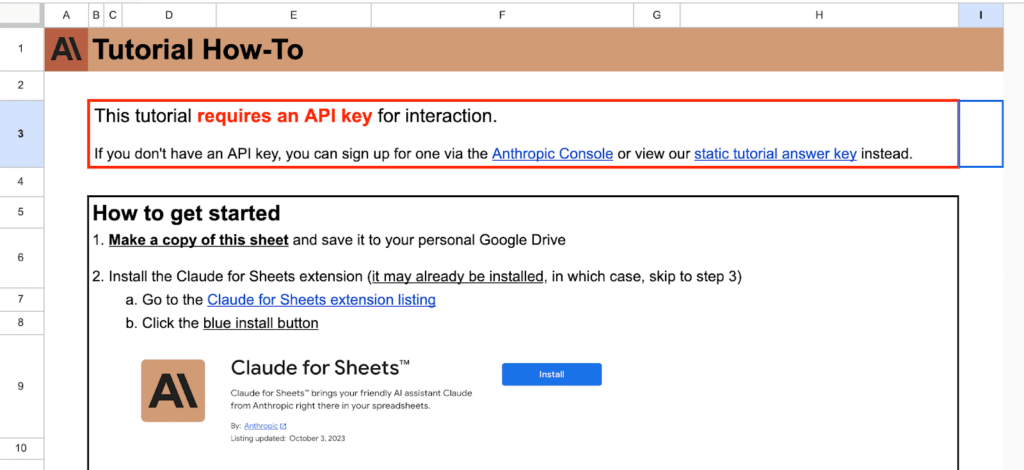
User-friendliness is another critical factor affecting adoption rates among SMBs, particularly for those that may not have dedicated technical teams. OpenAI’s versatility, while a significant strength, often necessitates a deeper level of understanding from users, which could hinder onboarding. On the other hand, Anthropic’s focus on instructional materials, such as the Prompt Engineering Interactive Tutorial, makes it clearer for users to learn and refine their skills. The interactive elements of this tutorial foster a learning environment that aligns with the needs of users who may not possess extensive technical backgrounds. This accessibility can be pivotal for SMBs, as it lowers the barrier to entry for adopting advanced AI solutions.
Cost considerations further complicate the decision-making process. OpenAI’s pricing structure can become prohibitive for businesses that require extensive API calls or sophisticated functionalities. Businesses need to evaluate not just the initial costs but also the lifetime operational costs associated with the platform. In contrast, Anthropic offers more predictable pricing which can appeal to SMB leaders seeking budget stability. When projecting return on investment (ROI), decision-makers must weigh the initial costs against potential productivity gains and improved service delivery. The more predictable user experience with Claude might yield quicker results and enhanced customer satisfaction, ultimately improving ROI for SMBs that prioritize these outcomes.
In making a comparison between these two platforms, it is essential to recognize that the choice might not be straightforward. Factors like industry-specific requirements, team expertise, and long-term strategic goals play crucial roles in determining which platform would best serve a specific organization. Businesses contemplating an investment in AI and automation must perform thorough assessments, involving both tangible metrics and qualitative factors.
For an efficient decision-making process, SMB leaders are recommended to consider a phased approach to implementation. This may involve piloting both platforms in smaller-scale projects to analyze the actual performance, user interaction, and effectiveness against predefined KPIs. Pilot projects can help mitigate risk and provide more realistic insights into operational adaptability and scalability.
FlowMind AI Insight: As SMB leaders navigate the complex landscape of AI tools, the emphasis should be on aligning technology with organizational goals. Understanding the nuances of each platform will empower decision-makers to select solutions that maximize efficiency, enhance user satisfaction, and ultimately drive profitability. Establishing a robust feedback loop during pilot testing will allow businesses to refine their approach and leverage AI capabilities to their fullest potential.
Original article: Read here
2026-02-11 16:02:00