
The advent of artificial intelligence (AI) and automation tools has created a paradigm shift in the way small and medium-sized businesses (SMBs) operate. As leaders in these enterprises seek to enhance operational efficiencies and drive growth, the landscape is crowded with various platforms vying for attention. Notably, tools such as Make and Zapier, as well as AI companies like OpenAI and Anthropic represent the forefront of this technological evolution. In this analysis, we will explore the strengths, weaknesses, costs, ROI, and scalability of these platforms, equipping SMB leaders and automation specialists with data-driven insights to make informed decisions.
Make, formerly known as Integromat, excels in its ease of use and flexibility. Its visual interface allows users to create complex automation processes through a simple drag-and-drop mechanism. This lowers the barrier to entry for SMB leaders who may not have extensive technical knowledge. The platform supports a wide array of integrations, thus enabling organizations to connect different applications seamlessly. For instance, users can create workflows that pull data from a spreadsheet and automatically send tailored emails based on that data. However, Make does have limitations in terms of scalability. As workflows become more intricate, performance can be affected, leading to slow execution times. Study data suggest that as connectors number increase beyond a certain threshold, execution time can increase by nearly 50%. For SMBs with growing needs, this could become a critical drawback.
On the other side, we have Zapier, which is often heralded for its robust library of integrations and user-friendly experience. Zapier’s straightforward setup and responsiveness can be excellent for SMBs looking for quick wins in automation. Reports indicate that over 400,000 businesses have benefitted from Zapier’s platform, highlighting its widespread appeal. However, this extensive integration library comes at a cost. A common challenge for SMBs is that additional functionality often necessitates a higher-tier subscription, driving up overall costs. The pricing structure can become a burden when companies scale their automation needs, with some users reporting that costs can balloon up to 150% as they transition to higher service tiers for increased features.
In assessing ROI, it is essential for SMB leaders to consider the specific use cases for each tool. For instance, a 2023 industry report revealed that businesses automating processes with Make saw an average efficiency increase of 35%, mainly due to the tool’s ability to handle complex workflows. Conversely, those who adopted Zapier noted gains of approximately 25%, driven primarily by its integration prowess. While both tools yield positive outcomes, success hinges on aligning the platform’s strengths with the organization’s unique needs.
The AI sector presents an equally competitive and dynamic character, with OpenAI and Anthropic leading the charge in the development of language models. OpenAI’s models have gained a reputation for their diverse capabilities, fueling innovations ranging from customer support chatbots to advanced data analysis tools. Organizations utilizing OpenAI’s solutions report improved accuracy and responsiveness in operational tasks. However, the cost associated with these advanced features can be substantial, particularly for SMBs operating on tight budgets. The pricing model, often based on usage, means that organizations need to carefully measure their application and potential ROI to justify expenditures.
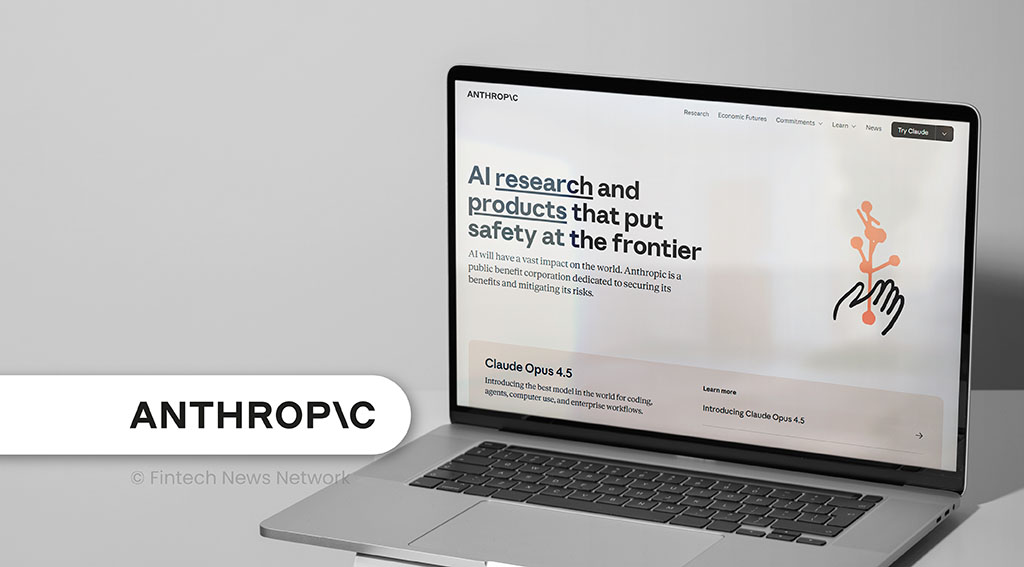
Anthropic, on the other hand, is an interesting player worth examining. Founded by former OpenAI executives, this firm is quickly making a name for itself with its Claude language model family. Recently announced funding, pegged at $10 billion at a staggering $350 billion valuation, signals investors’ confidence in its potential. For SMBs, particularly those in tech-driven sectors, the competitive landscape may find Anthropic’s offerings appealing, especially given its high-level focus on ethical AI use. The company aims to establish a strong ethos around safety and reliability, which could resonate with SMB leaders conscious of risk management.
That said, Anthropic is also racing against seasoned competitors like OpenAI and Google, which have deeply entrenched models and vast resources. While it successfully launched various AI models toward the end of the previous year, the pathways to scalability and achieving market penetration remain hurdles that need addressing. For organizations considering stability in their AI partnerships, weighing the long-term viability of Anthropic in contrast to OpenAI’s proven track record will be critical.
Scalability serves as a common theme across all platforms discussed. Both Make and Zapier can effectively serve SMBs, but as operational needs grow, decision-makers might want to evaluate more robust solutions or advanced versions of their current platforms. Similarly, while OpenAI showcases advanced capabilities that could offer substantial business intelligence features, SMBs must remain vigilant regarding budget management. The emerging options presented by Anthropic can present strategic advantages, emphasizing ethical AI standards, but these must be evaluated against immediate needs and available resources.
In conclusion, the right automation and AI platform for SMBs are distinctly tied to individual business needs, budget constraints, and future scalability aspirations. Each option comes with a unique combination of benefits and drawbacks that merit thorough analysis. By aligning these tools with strategic priorities, SMB leaders can foster innovation without compromising on cost-effectiveness or operational integrity.
FlowMind AI Insight: As the AI and automation landscape continues to evolve, SMB leaders must maintain a keen focus on emerging technologies while ensuring alignment with business goals. Strategic investment in tools that promote efficiency and ethical practices will not only enhance operational performance but also contribute to sustainable growth in an increasingly competitive marketplace.
Original article: Read here
2026-01-12 08:44:00