
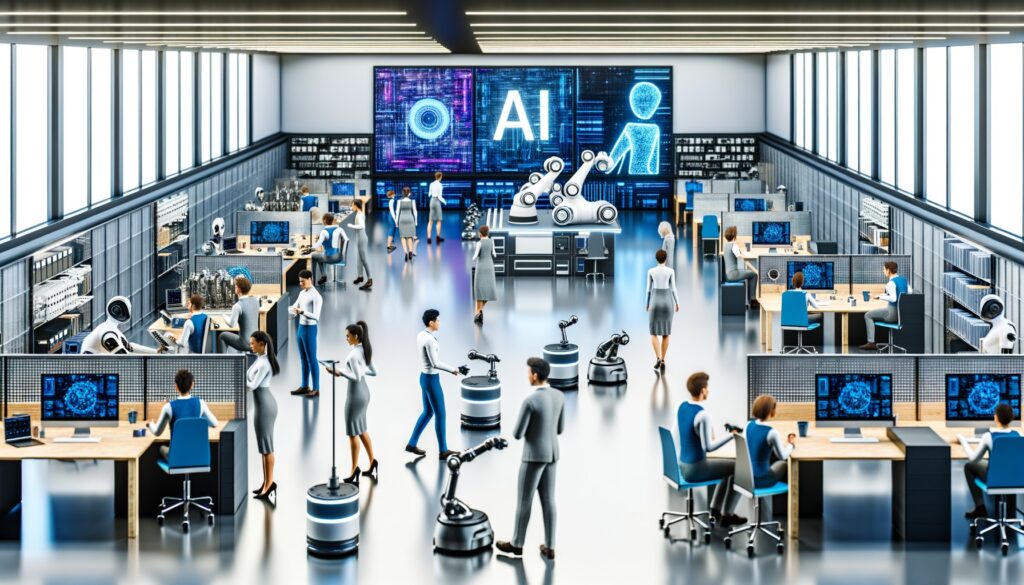
AI automation is transforming industries across the board, and the transport sector is poised to be at the forefront of this revolution. For small and mid-size businesses looking to harness AI-powered automation, a structured approach is crucial for success. This article provides a step-by-step tutorial to design, deploy, and monitor such automation systems.
The first step is to establish prerequisites. Identifying specific business needs is vital. For example, a transport company may seek to streamline scheduling or optimize route planning. Additionally, assess your current technological capabilities. You’ll need a reliable internet connection, relevant software platforms, and access to data for the AI system to function efficiently.
Once the prerequisites are in place, configure the automation. Start by selecting an AI platform that suits your business goals. Many options are user-friendly and designed for non-developers. For instance, if your objective is to automate route optimization, you might choose a software tool that integrates with your existing GPS or fleet management system. Follow the setup guidelines to input necessary parameters, such as traffic data and delivery schedules.
After configuration, it’s time for testing. Select a small section of your operations to run a pilot program. Input example data, such as current routes and delivery times. Monitor the AI system’s output—are the optimized routes reducing delivery times as expected? Make adjustments based on feedback, and ensure the AI tool is learning from actual experiences. This iterative process is essential for fine-tuning the automation to your specific needs.
Monitoring is another key component. Establish KPIs (key performance indicators) to assess the effectiveness of your automation. For instance, track efficiency by comparing delivery times before and after automation. Use dashboards provided by your AI platform to visualize these metrics. Regularly review performance reports, which will help you identify any anomalies or areas for further optimization.
In terms of error handling, it’s critical to anticipate and address potential issues early. Develop a protocol for managing unexpected outcomes. For example, if a delivery proposal from the AI system fails to account for road closures, ensure your team knows how to override the automated suggestions. Set aside a small budget for troubleshooting and maintenance, as unforeseen complications can arise.
Cost control is essential when implementing AI automation. Begin by estimating an upfront investment, which may include software acquisition, training staff, and integrating existing systems. Additionally, factor in ongoing expenses such as subscriptions and maintenance. To gauge return on investment (ROI), compare operational costs before and after deploying AI, focusing on improvements in efficiency and productivity.
Another important aspect is to address security, data retention, and compliance with privacy regulations. Choose an AI platform that adheres to industry standards for data protection. Implement measures to encrypt sensitive customer information and limit access to authorized personnel only. Establish a data retention policy that complies with relevant laws, such as GDPR, to ensure that data is held only as long as necessary.
Vendor lock-in can pose risks as well. To mitigate this, evaluate the terms of service of your chosen AI platform carefully. Seek solutions that offer flexibility in migrating data, should you decide to switch providers in the future. By remaining vigilant about vendor lock-in, you maintain leverage in negotiating contracts and acquiring necessary tools.
Ongoing maintenance is vital for AI automation to remain effective. Schedule regular system reviews and updates to harness improvements in AI technology. Keep staff trained on evolving features. Solicit feedback from end-users, which can provide insights into how well the AI automation is serving the organization’s needs.
FlowMind AI Insight: The integration of AI-powered automation brings remarkable improvements in operational efficiency; however, careful planning and strategic execution are essential to ensure successful implementation and sustainability. By following these systematic steps, small and mid-size businesses can adapt to the rapid advancements in AI while safeguarding their workforce and optimizing economic outcomes.
Original article: Read here
2026-01-23 06:11:00