
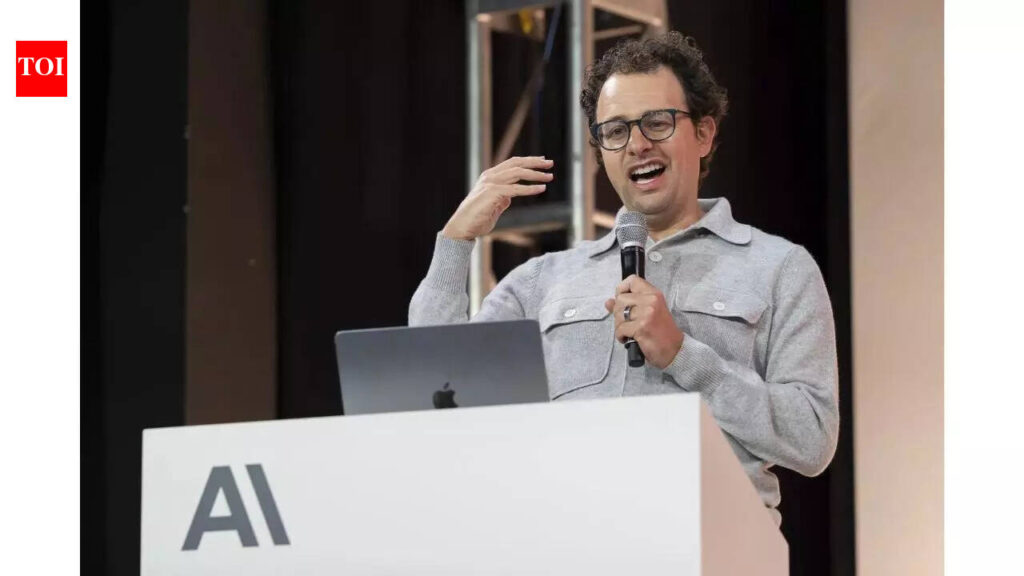
The rapid advancement of artificial intelligence (AI) technologies poses both opportunities and challenges, particularly in the context of workforce implications. As emphasized by Dario Amodei, CEO of Anthropic, the speed at which AI capabilities are evolving can significantly disrupt labor markets and, consequently, the socio-economic fabric of society. This commentary raises critical questions for small and medium-sized business (SMB) leaders and automation specialists regarding the selection of AI and automation platforms that not only enhance operational efficiency but also align with long-term workforce strategies.
Recent comparisons of various automation platforms reveal divergent strengths and weaknesses that SMB leaders must consider. For instance, platforms such as Make and Zapier are popular for their integration and automation functionalities, yet they cater to different user types and operational requirements. Make, known for its visual interface and flexibility, is particularly effective for users seeking customization and control over complex workflows. On the other hand, Zapier excels in user-friendliness and rapid deployment, making it suitable for businesses that prioritize ease of use over customization complexity. This difference may reflect broader decisions businesses must navigate: the tradeoff between investing time in developing tailored solutions versus prioritizing quick, out-of-the-box functionalities.
Financial considerations, including costs, return on investment (ROI), and scalability, are critical in the decision-making process. From a cost perspective, both Make and Zapier operate under subscription models that vary significantly depending on usage. Make’s pricing structure generally offers more value for businesses with higher integration needs, while Zapier’s tiered plans provide scalable solutions. In terms of ROI, deploying either platform can lead to quantifiable increases in productivity. However, the extent of benefit largely hinges on the complexity of tasks being automated. Companies with simple, repeatable tasks may see immediate returns, while those requiring significant customization may take longer to recoup initial investments.
Moving beyond automation platforms, there is a growing need to assess the implications of AI development tools such as OpenAI and Anthropic. OpenAI, renowned for its robust language models, offers rich capabilities that can be leveraged across industries—from customer service automation to content generation. Conversely, Anthropic is orientated more towards ethical AI development and safety, focusing on minimizing risks associated with deploying AI systems in sensitive contexts. This focus on responsible deployment is increasingly vital as businesses confront the ethical dilemmas presented by AI technologies and their potential socio-economic ramifications.
The critical question for SMB leaders, particularly in light of the looming labor market shifts that Amodei warns about, is how to integrate these technologies in a manner that mitigates disruption. Companies must adopt a proactive approach to workforce adaptation by not only investing in technology solutions but also in training and upskilling their existing employees to harness AI tools effectively. This alignment will ensure that businesses do not merely replace human labor with technology but evolve their operational strategies to complement the capabilities of AI.
Given the rapid pace of technological development, businesses must also be agile in their approach to implementation. Flexibility will be key; companies that remain tied to rigid operational frameworks may find themselves at a disadvantage. As Amodei highlights, the potential for job displacement exists, yet this does not preclude the opportunity for recovery and adaptation. Incorporating progressive taxation and government interventions may be necessary for collaborative partnerships among businesses, policymakers, and educational institutions, focusing on reskilling the workforce to meet emerging needs.
Ultimately, navigating the intersection of AI and automation will require thoughtful consideration of platform capabilities as well as workforce implications. The variability in the pace of AI evolution underscores the necessity for leaders to remain vigilant and adaptable, arming themselves with data-driven insights to inform their strategic decisions.
In conclusion, as SMB leaders evaluate AI and automation platforms, they must weigh factors such as cost, ROI, scalability, and the ethical implications of their deployments. Engaging with technologies that bolster operational efficiency while supporting workforce adaptation will generate favorable outcomes amidst a rapidly transforming labor landscape.
FlowMind AI Insight: The future of work will be defined not by the displacement of employees but by the empowerment of skilled labor through advanced technologies. Businesses that prioritize employee development alongside strategic technology investments will position themselves favorably for sustainable growth in the AI-driven economy.
Original article: Read here
2026-01-28 17:00:00