
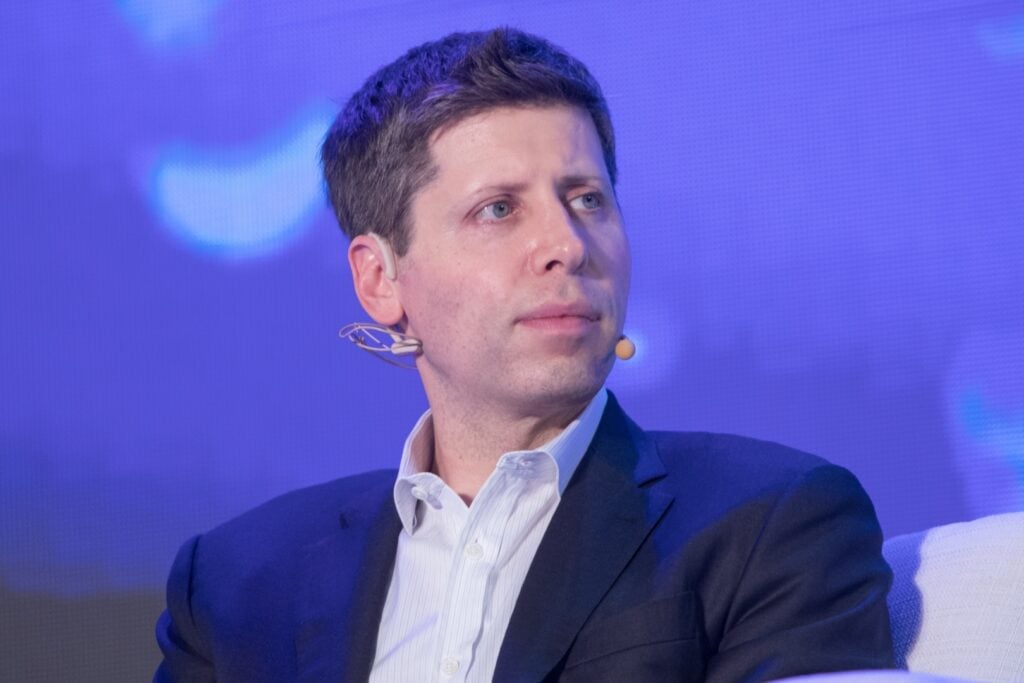
In the increasingly competitive landscape of artificial intelligence, the recent exchange between OpenAI and Anthropic underscores critical considerations for businesses evaluating AI and automation platforms. OpenAI, under the leadership of CEO Sam Altman, has faced scrutiny for its decision to incorporate advertising into its ChatGPT platform, which Anthropic indirectly criticized through a Super Bowl ad campaign. This new dimension of competition raises pivotal questions regarding the operational models and long-term viability of AI companies, particularly as they target different customer segments.
OpenAI is a household name in the AI space, primarily due to its high-profile ChatGPT product, which has rapidly gained traction among consumers and businesses alike. However, the recent shift towards a revenue model that includes ads could alienate a portion of its user base that values an uninterrupted, focused conversation. From a business perspective, advertising can diversify revenue streams and potentially lead to more attractive pricing structures. Still, it runs the risk of diminishing user experience and raising ethical concerns about data exploitation for commercial gains.
Conversely, Anthropic has positioned itself as an alternative to OpenAI by pledging to keep ads out of its AI model, Claude. This approach targets enterprises, focusing on the quality of user interactions rather than monetizing these encounters through advertisement. The explicit rejection of ads speaks to a broader strategy aimed at capturing corporate clients who may prioritize data integrity and user experience over lower costs associated with ad-supported platforms. By promoting Claude as an ad-free solution, Anthropic appeals to businesses that fear the implications of data monetization strategies employed by competitors.
The contrast between the two companies extends to their respective business models and expected growth trajectories. While Anthropic aims for substantial revenue growth—projecting $18 billion by 2026 and over $50 billion a year later—85% of its revenue is anticipated to come from enterprise customers. This highlights a reliance on long-term partnerships with organizations that require AI solutions for specific use cases, integrating Claude into existing platforms such as ServiceNow and JPMorgan. This focus on B2B engagements contrasts sharply with OpenAI’s more consumer-centric approach, which, despite capturing a vast audience, poses challenges in establishing sustained profitability amid increasing operational costs and staffing issues.
When evaluating the strengths and weaknesses of these AI platforms, it is critical for SMB leaders and automation specialists to consider scalability, ROI, and operational costs. OpenAI’s vast API ecosystem allows for significant flexibility and customization, making it a viable solution for companies at various stages of AI adoption. However, the potential challenge lies in maintaining user engagement as advertisements infiltrate interactions. On the other hand, Anthropic’s business model may deliver a more predictable ROI through corporate contracts, but it risks limiting its market share in a landscape increasingly driven by consumer engagement and individual user experiences.
Investment in either platform should align with your organization’s strategic goals. For businesses primarily seeking to enrich customer interactions and deliver personalized experiences, OpenAI may provide innovative solutions—but at the risk of added commercial pressures from ads. Alternatively, enterprises prioritizing data security and long-term integrations could find Anthropic’s ad-free approach more aligned with their operational ethos and less prone to pitfalls associated with data monetization.
For leaders assessing these options within the context of automation and AI, specific factors should inform the decision-making process. First, consider the long-term viability of the business models in question, especially in light of evolving consumer preferences and regulatory issues surrounding data security. The ethical implications of AI usage will increasingly shape consumer perceptions and purchasing decisions. Second, evaluate how each platform aligns with immediate operational needs versus long-term scaling plans. Organizations may require tools that can swiftly integrate with existing workflows while also providing room for additional functionalities as they grow.
In conclusion, the current discourse between OpenAI and Anthropic serves as a pivotal reminder of the dynamics at play within the AI sector. As organizations evaluate their options, they must do so with an eye toward the future, balancing customer engagement, ethical considerations, scalability, and the financial implications of their chosen solutions. The landscape may evolve rapidly, but the foundational principles of user trust, data integrity, and innovative capability will remain paramount for sustained growth and success.
FlowMind AI Insight: As businesses navigate the complexities of AI integration, it is crucial to align technology choices with ethical standards and long-term objectives. Continuous monitoring of market developments will allow organizations to adapt to changes while ensuring that their AI strategies promote both innovation and responsibility.
Original article: Read here
2026-02-05 10:10:00