
In the rapidly evolving landscape of artificial intelligence and automation, the competitive dynamics among major players such as OpenAI and Anthropic have come to the forefront. A recent announcement by Anthropic that its Claude chatbot will remain free of advertisements contrasts sharply with the stances adopted by its competitors. Companies like OpenAI, xAI, Meta, and Google have expressed their intent to incorporate advertising into their AI services, creating a potential divergence in user experience and appeal.
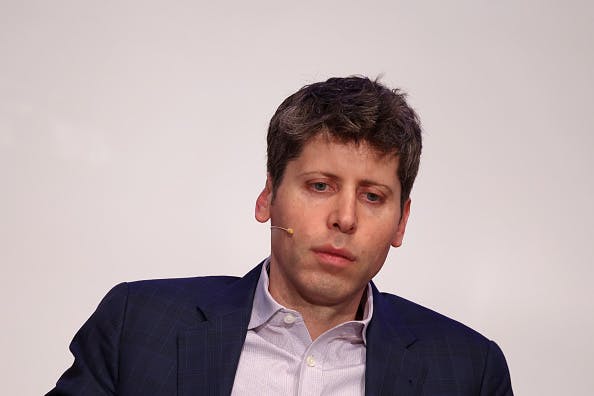
Anthropic’s cheeky advertisements, which humorously depict the unsettling transformation of a chatbot’s response into a creepy ad, indicate a strategic positioning intended to differentiate Claude from other chatbots, particularly OpenAI’s ChatGPT. This approach underscores a fundamental challenge in the AI market: how to monetize advanced technologies without alienating users. While Anthropic’s ads invite laughter, they also provoke scrutiny. OpenAI’s CEO Sam Altman criticized these portrayals by describing them as “deceptive” and asserting that OpenAI has committed to an ad-free experience during chat interactions. Altman’s defense emphasizes a core customer demand: users favor a distraction-free conversation with AI.
This conflict brings to light a critical aspect of user retention and engagement in AI offerings. The presence of ads may lead to immediate revenue generation for companies like OpenAI, but it could also diminish user satisfaction and lifetime value. Conversely, Anthropic’s strategy hinges on its ability to maintain a free offering, attracting users who prefer a straightforward, uninterrupted experience. However, this model raises questions about long-term sustainability and profitability.
A key point of contention between the two companies is aimed at market accessibility. Altman highlighted Anthropic’s focus on paid subscriptions that cater primarily to wealthier users, while he articulated a philosophy at OpenAI that strives to democratize access to AI tools. This poses a critical business question for leaders in small to medium-sized businesses (SMBs): what balance can be struck between premium offerings and accessibility? OpenAI’s approach may resonate with a broader audience, but at what cost to innovation and feature development?
In evaluating the broader implications of these strategic decisions, it is essential to analyze cost-effectiveness and return on investment (ROI). For SMB leaders looking to adopt AI solutions, the comparison between Anthropic and OpenAI presents a dichotomy. OpenAI offers advanced tools, but its gradual embrace of monetization through ads could affect the user’s overall engagement and satisfaction. In contrast, while Anthropic’s no-ad proposition appears attractive, its long-term viability will depend on its ability to extract sufficient revenue from those willing to pay for advanced features, and its success hinges on user retention strategies that do not overly rely on premium subscriptions.
The scalability of these platforms also varies significantly. OpenAI’s strategies include an ongoing push towards enterprise-level solutions, enhancing functionality, and preparing for a potential IPO. This ambition may position OpenAI as a robust long-term player capable of appealing to both SMBs and larger organizations. Anthropic’s model, while initially appealing for casual users, may face challenges in scaling to enterprise-level demands without a diversified revenue stream.
In considering automation platforms like Make versus Zapier, the comparative framing is reminiscent of the discussions around AI chatbots. Make offers significant customizability with a potentially steep learning curve, while Zapier provides an easier onboarding experience for users with less technical expertise. Each has its strengths and weaknesses that cater to different segments within the SMB market. Businesses must assess their specific needs for automation scaling against the usability and integration capabilities provided by these platforms, alongside their pricing structures.
In conclusion, as these tech giants vie for market share, SMB leaders must carefully evaluate the implications of ad-driven models versus free offerings. The decision hinges on a nuanced understanding of user preferences, long-term profitability, and the ability to scale. Entering this competitive space, leaders should consider not only immediate cost implications but also the long-term ROI related to customer loyalty and satisfaction.
FlowMind AI Insight: As the AI landscape continues to shift, SMB leaders must remain vigilant in assessing the balance of cost and user engagement. Emphasizing accessibility and user experience will be critical to driving sustainable growth in a market where competitors are constantly innovating.
Original article: Read here
2026-02-06 09:09:00