
In the rapidly evolving landscape of artificial intelligence and automation, a recent public exchange between key players OpenAI and Anthropic underscores the competitive dynamics shaping user experiences and platform functionalities. At the center of this debate is OpenAI’s decision to implement advertising into its ChatGPT platform, followed closely by Anthropic’s commitment to remain ad-free with its chatbot, Claude. This divergence not only reflects strategic positioning but also raises critical questions about user engagement, cost structures, and overall return on investment for businesses considering these tools.
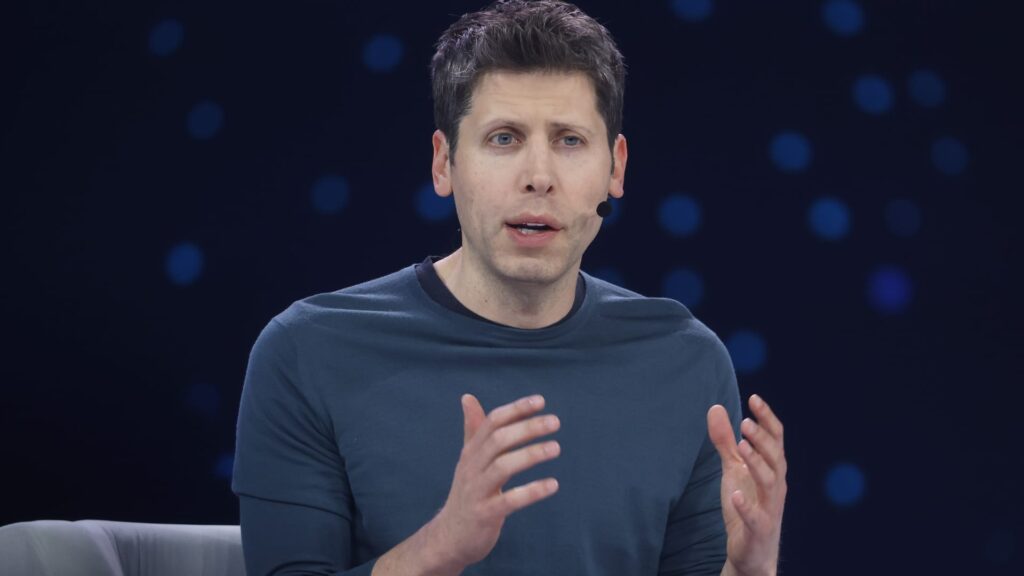
OpenAI, led by CEO Sam Altman, has publicly defended its advertising strategy, framing it as a necessary step to monetize its platform while providing free access to a wider audience. The introduction of ads aims to generate revenue while maintaining user engagement. Altman asserts that these advertisements will be transparently labeled and positioned at the bottom of responses, thereby ensuring compliance with user expectations regarding content integrity. Yet, this approach has raised concerns about user experience. The potential for ad fatigue among users could lead to disengagement, especially among those who rely heavily on AI for critical business functionalities.
Anthropic, which was founded by former OpenAI researchers dissatisfied with the latter’s direction, has chosen to differentiate itself through a zero-ad policy. This approach is designed to appeal to users prioritizing an uninterrupted conversational experience with AI technologies. The choice is both a tactical maneuver and a declarative statement against what Anthropic describes as the commercialization of AI. However, while an ad-free model may enhance user satisfaction, it raises questions about sustainability. For startups heavily reliant on venture capital, maintaining a free service in a market that increasingly values monetization can pose significant challenges. For brands targeting cost-conscious SMBs, the free access offered by Anthropic may seem attractive; however, the underlying question remains whether reliance on funding can hold up against OpenAI’s broader user base and monetization strategies.
When examining the comparative strengths of OpenAI and Anthropic, scalability is a pivotal factor. OpenAI’s extensive resources and established presence in the market afford it the ability to scale features more rapidly than a relatively newer entrant like Anthropic. This scalability can directly correlate with improved ROI, as businesses integrating OpenAI’s solutions may do so at an accelerated rate, benefiting from a more comprehensive toolset that also adapts to evolving needs. On the other hand, Anthropic’s niche focus allows for specialized features aimed at ethical AI practices and user control, which may resonate with SMB leaders intent on aligning their technology stack with specific values around responsibility and transparency.
Cost considerations also play a vital role in deciding between these platforms. The advertisements OpenAI plans to implement could provide an avenue for reduced operational costs for users who opt for free services. However, these cost benefits may be countered by potential negative impacts on user experience. Anthropic’s decision to remain ad-free aligns with their messaging about providing more humane AI interactions but may incur higher operational costs in the long run without clear user monetization strategies in place. This could limit scalability for SMBs looking for cost-effective solutions that also offer room for growth.
Moreover, when evaluating ROI, it is essential to consider the usage context of AI tools. Businesses focused on automating workflows may find tools like Zapier and Make to be directly relevant due to their capacity for integrating various software applications seamlessly. While OpenAI and Anthropic deliver powerful AI conversational capabilities, tools like Zapier provide significant process optimization capabilities that allow businesses to enhance operational efficiency without the complexities associated with raw conversational AI technologies.
Ultimately, the decision between adopting OpenAI’s or Anthropic’s tools boils down to specific business needs. For organizations that prioritize a rich, engaging user experience with ethical implications, Anthropic’s approach may offer valuable alignment. Conversely, those needing robust scalability, extensive features, and monetization options may find OpenAI’s model more conducive to their operational realities.
FlowMind AI Insight: As the AI landscape continues to evolve, leaders in SMBs must prioritize not only the technology’s capabilities but also how its delivery model aligns with their operational ethos. Investing in tools that provide transparency, scalability, and sustained engagement will be crucial for maximizing ROI in this competitive domain. As such, a thoughtful and holistic approach to AI integration will enable organizations to harness its full potential while navigating its complexities.
Original article: Read here
2026-02-05 14:50:00