
The recent move by OpenAI to introduce advertisements in its free and low-cost ChatGPT plans marks a significant shift in the competitive landscape of AI-driven chatbot solutions. This development has not gone unnoticed, prompting Anthropic to respond with vigor, emphasizing its Claude service will remain ad-free while also ramping up its feature offerings. As more companies embrace automation tools and AI for their operations, understanding the comparative strengths and weaknesses between solutions like OpenAI’s ChatGPT and Anthropic’s Claude is imperative for SMB leaders and automation specialists.
At first glance, the addition of ads could detract from the user experience, possibly eroding the appeal that ChatGPT has cultivated with its extensive capabilities. OpenAI CEO Sam Altman has expressed intentions to keep essential features accessible, yet with the introduction of advertisements, potential users might find value propositions less attractive. Ad interruptions can lead to cognitive dissonance, where the perceived utility of the platform diminishes against the discomfort of ads, particularly for free-tier users. On the other hand, Anthropic’s proactive approach by placing formerly premium features into its free plan not only strengthens its competitive position but also invites a segment of users who may be deterred by the recent changes at OpenAI.
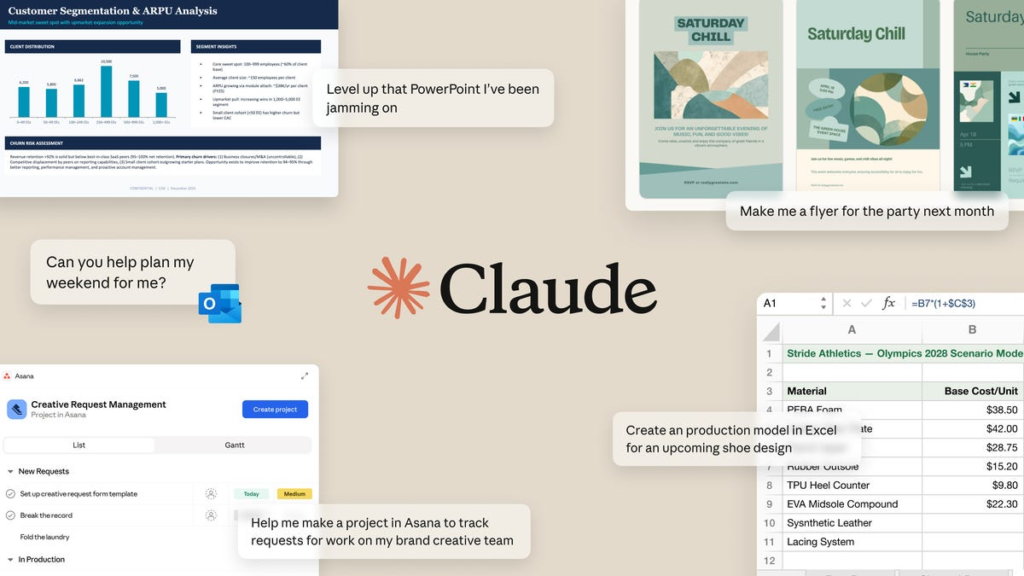
The updated Claude free plan introduces functionalities that may significantly influence user decisions. The inclusion of file creation capabilities enhances productivity; users can seamlessly convert conversations into various document formats, thus streamlining workflows. Furthermore, the introduction of connectors, particularly linking with Google Workspace apps, provides users with integrated solutions that are increasingly necessary in today’s interconnected digital environment. While these features may appear modest at first glance, they address critical pain points in daily operations, such as document management and collaboration.
Notably, customizable skills in the Claude platform allow users to set specific instructions, optimizing the chatbot’s responsiveness to recurring requests. Such capabilities can enhance the automation of routine tasks, providing a tangible return on investment as businesses aim to reduce labor hours and improve efficiency. By expanding user interaction limits and improving search functionalities, Anthropic stands to attract a broader user base dissatisfied with the recent shifts at OpenAI. The lengthier conversations alone can be a distinct advantage, particularly for users who require more nuanced and sustained interactions the free ChatGPT plan may no longer accommodate effectively.
Cost considerations also enter the equation. For SMBs, particularly those concerned with revenue and operational margins, the shift to paid services under the OpenAI model could lead to increased expenditures without guaranteeing proportional returns. While advertisers view AI solutions as increasingly valuable, the potential cost of engaging with a paid model must be scrutinized to ensure alignment with business objectives.
In contrast, Anthropic’s strategy offers a cost-effective alternative as it expands its robust free plan while ensuring an ad-free experience. This positions Claude as an appealing choice for businesses aiming to integrate AI and automation without the looming threat of ads or the necessity of immediate financial commitment. The value derived from the enhanced features in the Claude free plan undoubtedly provides an appealing proposition for businesses exploring automation tools, especially given the current economic climate where companies are analyzing ROI from every expense meticulously.
The competition between OpenAI and Anthropic illustrates broader trends that underscore the importance of scalability and continuous innovation within the AI sector. As organizations assess their own automation strategies, the ease with which they can integrate these tools into existing workflows will be critical. For SMB leaders, the addition of features that enhance productivity, facilitate collaboration, and ultimately drive efficiency can make a notable difference in operational success.
Clear takeaways emerge from this analysis. Businesses should carefully assess their current automation platforms in the context of their specific use cases. Those currently using OpenAI’s ChatGPT should consider the implications of ad interruptions on user experience, and weigh this against the new features offered through Claude that could enhance productivity without the same financial burden. The merits of flexibility and the ability to scale should also be central in decision-making processes; adopting tools that do not tether organizations to rigid models fosters long-term operational agility.
In conclusion, embracing AI and automation platforms requires an analytical approach, focusing on strategic fit rather than mere feature listings. Evaluating cost, scalability, and user experience can help firms achieve enhanced outcomes and maximize their investments.
FlowMind AI Insight: As the landscape of AI and automation evolves, organizations should prioritize integration capabilities and user experience over mere functionalities. The strategic adoption of tools like Claude could offer distinct advantages in a market increasingly fragmented by differing value propositions. Leveraging these insights allows SMBs to make informed choices that align with their broader business goals.
Original article: Read here
2026-02-11 23:12:00