
In recent weeks, the tech industry has witnessed significant developments that underscore a competitive landscape rapidly evolving towards financial viability, particularly in the realm of artificial intelligence and automation. Two notable occurrences—involving SpaceX’s potential acquisition of xAI and Anthropic’s marketing strategies during the Super Bowl—reflect these dynamics. While initially appearing unconnected, these events highlight a broader race among AI companies to establish themselves favorably ahead of initial public offerings (IPOs).
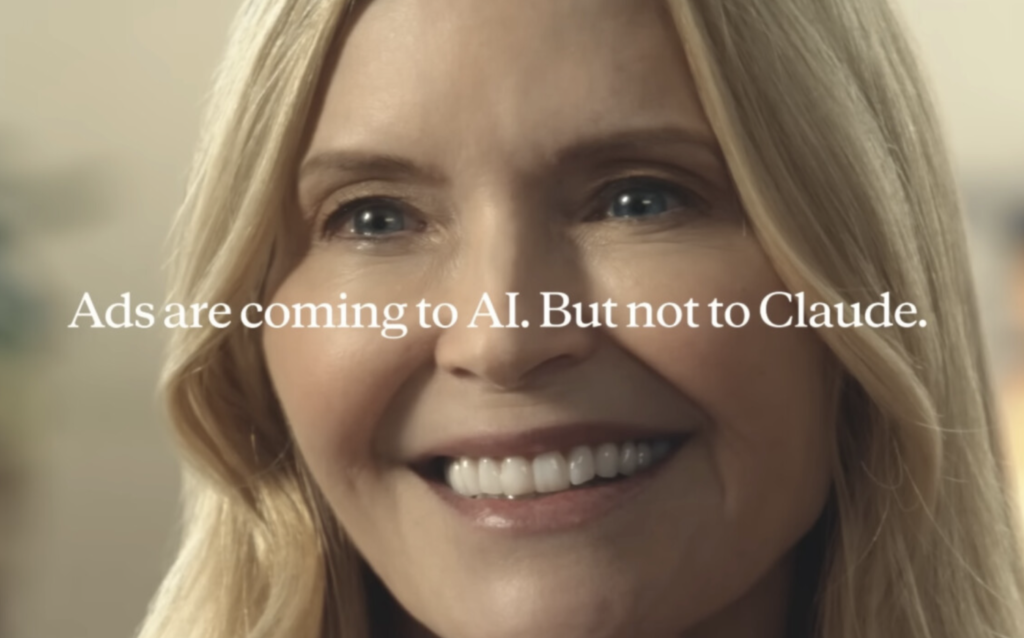
Anthropic’s recent rollout of a series of commercials designed to promote its AI platform, Claude, also serves as a strategic commentary on the evolving market. The ads, part of a campaign entitled “A Time and a Place,” cleverly critique OpenAI’s decision to monetize ChatGPT through advertising. Despite their humor, these commercials reveal an underlying discontent with the current capabilities of chatbots, reflecting an ongoing concern that existing models may not adequately meet user needs. Such sentiments resonate with a growing audience demanding more human-like interactions in AI interfaces, showcasing a fundamental gap that companies like Anthropic aim to fill.
The thrust of the conversation on social media surrounding the Claude ads reflects a tension within the industry. Some critics point to the irony in Anthropic’s strategy of critiquing competitors’ monetization tactics while engaging in its own marketing campaign. Others argue that this could detract from an emphasis on showcasing Claude’s unique features and advantages. This dialogue emphasizes the strategic missteps and potential pitfalls that arise when companies prioritize competitor criticism over demonstrating product prowess. In a market where distinctiveness is critical for capturing attention, such discussions may detract from what should be the central narrative: the progressive features of Anthropic’s technology.
As companies compete, platforms such as OpenAI, Anthropic, Make, and Zapier stand at the forefront of the automation and AI landscape, presenting various strengths and weaknesses that SMB leaders and automation specialists must critically evaluate. OpenAI has established itself with a strong brand equity, driven by robust technological foundations and an active community of developers. Its offerings are widely recognized for their powerful capabilities and versatile applications, particularly in natural language processing and data analysis. However, the recent move to incorporate advertisements marks a shift that could impact user perceptions. Monetization efforts that may detract from user experience could prompt existing and potential customers to consider alternatives, especially those providing more straightforward, ad-free services.
Conversely, Anthropic’s focus on transparency and ethical AI practices positions it favorably among users seeking functional integrity. By highlighting the challenges and limitations of current chatbots, Anthropic distinguishes itself as a player invested in developing user-friendly and cognitively intuitive AI solutions. However, the company must ensure that such messages translate to tangible benefits in product performance, as innovation in user experience remains the key motivator for customer loyalty.
A comparative analysis of automation tools like Make and Zapier emphasizes the importance of selecting the right platform according to specific organizational needs. Make, once referred to as Integromat, provides a visual interface that excels in complex workflows, appealing to businesses that need to integrate multi-step processes with ease. The platform offers competitive pricing and scalability, making it suitable for SMBs looking to enhance operational efficiency without hefty investments. Conversely, Zapier’s user-friendly interface and broad integration capabilities make it a versatile choice, particularly for teams not requiring advanced customizations. Companies should take into account their operational demands, anticipated growth, and team proficiency with technology when choosing between these platforms.
Evaluating return on investment (ROI) for AI and automation initiatives is also critical. While upfront costs may initially appear daunting, organizations capable of quantifying time saved, operational efficiencies gained, and customer engagement metrics improved are better positioned to leverage these tools for long-term benefits. Research suggests that for every dollar invested in automation tools, companies can expect a return of $7.70, emphasizing the financial sensibility of adopting robust AI and automation solutions.
Ultimately, the current climate within the tech industry indicates that as the race to IPO intensifies, companies must navigate the delicate balance between competitive positioning and showcasing their unique value propositions. A focus on genuine product development and addressing user pain points is critical, particularly as consumer skepticism grows around advertising and monetization strategies.
As SMB leaders and automation specialists assess the landscape, prioritizing tools that not only meet immediate operational needs but also promise scalability and ROI will be vital. Those willing to stay abreast of trends, analyze competitors critically, and pivot strategies accordingly will find themselves better equipped to thrive in this rapidly evolving sector.
FlowMind AI Insight: The current landscape of AI and automation is defined not only by technological prowess but also by strategic marketing and user perception. Companies that prioritize transparency, user-centric design, and ethical practices will likely cultivate stronger relationships with their customers, ultimately driving financial success and paving the way for sustainable growth in the competitive race toward IPOs.
Original article: Read here
2026-02-14 19:02:00