
In recent developments within the AI sector, notable resignations at leading companies OpenAI and Anthropic have raised significant concerns about the balance between commercial pressure and long-term safety commitments. These events have highlighted the growing tensions regarding the ethical implications of rapidly advancing technologies, especially when traditional safety protocols appear to be compromised in favor of engagement-driven revenue models.
Former OpenAI researcher Zoë Hitzig’s resignation, articulated in a guest essay published in The New York Times, has persisted in reverberating through the industry. Hitzig warned of potential pitfalls that could arise from the company’s exploration of advertising within ChatGPT, a strategy she compared to the missteps made by social media platforms that prioritized audience engagement at the cost of user welfare. Her assertions that ChatGPT now functions as a repository of personal and sensitive user data create a concerning backdrop against which OpenAI’s business strategies are evaluated. When user behavior is orchestrated to maximize ad revenue, it ignites significant ethical quandaries. Using AI to manipulate user reliance on technology can unintentionally lead to detrimental impacts on mental health and interpersonal relationships.
In examining such platforms, leaders in small and medium-sized businesses (SMBs) must weigh the benefits and risks of deploying tools like OpenAI’s ChatGPT in their operations. On one hand, ChatGPT offers remarkable natural language processing capabilities, creating avenues for automating customer service and streamlining communication. Yet the costs associated with integrating such tools must also consider the underlying ethical implications and potential backlash if user trust is eroded through aggressive monetization.
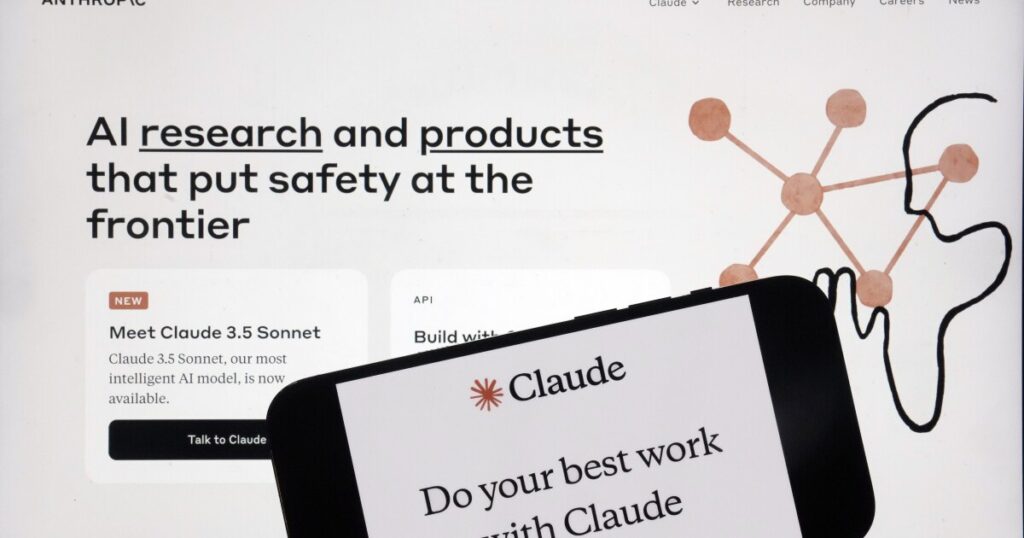
Conversely, Anthropic’s challenges echo the complexities being faced by safety-focused AI labs. Mrinank Sharma, head of Safeguards Research, similarly vacated his position, reflecting on the organization’s struggle to align corporate values with real-world implications. Anthropic has positioned itself as a proponent of ethically sound AI development, yet the departure of key figures suggests an underlying conflict is brewing between idealistic values and the practicalities of a competitive landscape. Companies considering the adoption of Anthropic’s technologies may initially benefit from its commitment to safety but must also remain vigilant about how these commitments may shift under pressure.
As the AI field matures, there remains an ever-pressing need to balance rapid innovation and rigorous oversight. Many SMB leaders may find themselves examining alternatives to OpenAI and Anthropic. For instance, comparing tools like Make and Zapier for workflow automation could yield actionable insights into scalability and return on investment. Make, known for its complex automation features, allows for integrations across a broader array of applications but can often require more technical knowledge from teams. Zapier, while more user-friendly, may lack the depth of complexity that some businesses may require for intricate operations. The decision tree between these platforms thus hinges on evaluating technical know-how versus functional requirements.
Financially, the costs of implementing these AI-driven tools can vary drastically. OpenAI’s premium offerings necessitate significant investment, but the risk of diminished user trust and operational efficacy in an ad-driven model could incur hidden costs. Anthropic’s pledge for ethical frameworks may appeal to values-driven SMBs yet could anticipate trade-offs in terms of performance and cost-effectiveness compared to more commercially aggressive competitors.
Moreover, this calculus becomes even more pertinent in light of emerging reports, such as the 2026 International AI Safety Report, which underscores risks to human autonomy and the labor market. As these insights become part of quantifiable metrics in decision-making for automating processes, leaders must remain objective in evaluating the trajectory of these platforms—not just their current capabilities, but their long-term implications.
In drawing conclusions, SMB leaders should initiate robust internal dialogues regarding the ethical ramifications of their technological choices. It is essential to assess both the competitiveness of the automation landscape and the potential for jeopardizing stakeholder trust through decisions that prioritize engagement strategies over user welfare. Such discussions should also extend to evaluating the adaptability of these tools to changing workplace dynamics, where employee autonomy must be protected even as operational efficiency is optimized.
FlowMind AI Insight: As the AI landscape continues to evolve with these recent shifts, SMB leaders must thoughtfully navigate the complexities of ethical considerations versus strategic automation choices. Engaging with transparent platforms while remaining cognizant of their implications on user trust will be crucial in building sustainable and effective AI-driven solutions.
Original article: Read here
2026-02-16 22:38:00