
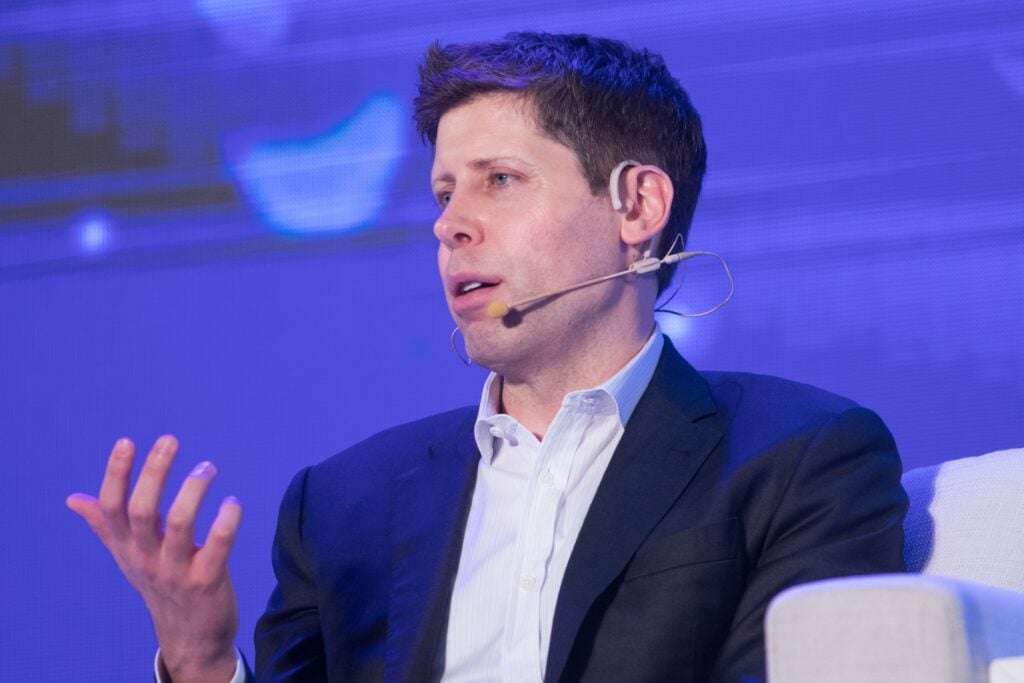
At the recent India AI Impact Summit in New Delhi, the interaction between OpenAI’s CEO Sam Altman and Anthropic’s CEO Dario Amodei sparked considerable discussion among attendees and online audiences alike. The choice of Altman and Amodei to forgo the traditional hand-holding gesture during a group photo—including notable figures such as Indian Prime Minister Narendra Modi and Google CEO Sundar Pichai—symbolically mirrored the competitive yet collaborative dynamics prevalent in the rapidly evolving AI landscape. This moment has only intensified dialogues surrounding the capabilities and peculiarities of leading AI and automation platforms.
As SMB leaders and automation specialists consider adopting AI solutions, the contrasting approaches of OpenAI and Anthropic represent a pivotal assessment point. OpenAI has established itself as a formidable player in the AI sector, particularly with its popular products, including ChatGPT. One of OpenAI’s primary strengths lies in its extensive model training, backed by a robust dataset and sophisticated algorithms that enhance the generative capabilities of its tools. OpenAI’s interface is also user-friendly, making it accessible for users across varying levels of technical expertise.
In contrast, Anthropic positions itself with a distinct emphasis on ethical AI and safety. While OpenAI aims for broad applicability and functionality, Anthropic’s focus on responsible AI development intends to mitigate risks associated with autonomous decision-making systems. This focus can serve as an advantage when partnering with organizations emphasizing compliance and ethical standards—often a crucial requirement for SMBs in regulated industries. However, Anthropic’s relatively smaller market presence and potentially less extensive dataset may restrict its immediate functional range when compared to OpenAI’s well-established offerings.
Considering costs, pricing structures for these platforms can significantly influence SMB decision-making. OpenAI’s pricing models are tiered, offering flexible options that cater to startups and larger enterprises alike. For instance, the freemium approach allows businesses to explore AI functionalities at minimal or no cost, which encourages onboarding. Anthropic’s pricing strategy, though less transparent, will likely benefit from positioning its premium services focused on safety and risk assessment, appealing to SMBs wary of the reputational and operational risks associated with AI deployment.
Return on Investment (ROI) is another critical factor in differentiating these platforms. The potential ROI from advanced AI systems stems from improved efficiency, enhanced customer engagement, and data-driven decision-making capabilities. OpenAI has demonstrated substantial ROI through successful case studies in various sectors, leveraging automation to streamline operations and reduce costs. Conversely, Anthropic can promote ROI linked to risk management, particularly for businesses integrating AI into compliance-heavy environments.
When discussing scalability, OpenAI typically outpaces its competitors due to its expansive infrastructure and investment in cutting-edge technology. This scalability is vital for SMBs anticipating growth and looking for solutions that can adapt to their evolving needs. Therefore, businesses must weigh whether they prioritize broad functionalities or specialized, ethical compliance when making their choice.
The recent interactions at the India AI Impact Summit not only highlighted these companies’ competitive nature but also set the stage for broader implications in the sector. With both organizations making strides toward anticipated IPOs, the competitive landscape may shift drastically. Anthropic’s recent $30 billion funding round illustrates an increased valuation and potential market disruption. This impending competition raises the stakes for SMBs considering which technologies to leverage for future growth while navigating the complexities of AI ethics and innovation.
In conclusion, SMB leaders and automation specialists must stay informed about the relative advantages and drawbacks that AI platforms present. OpenAI shines in scalability and broad applicability, while Anthropic offers a focused approach to ethical considerations in AI deployment. Ultimately, the decision between these platforms will hinge on individual business priorities—whether that be maximizing efficiency, ensuring compliance, or maintaining ethical standards in AI development.
FlowMind AI Insight: As SMBs explore AI deployment, it’s crucial to assess not just the technological capabilities of the platforms, but also their alignment with your company’s values and long-term strategy. Stay ahead by fostering an understanding of the evolving landscape of AI options and where these solutions fit into your operational ecosystem.
Original article: Read here
2026-02-20 09:24:00