
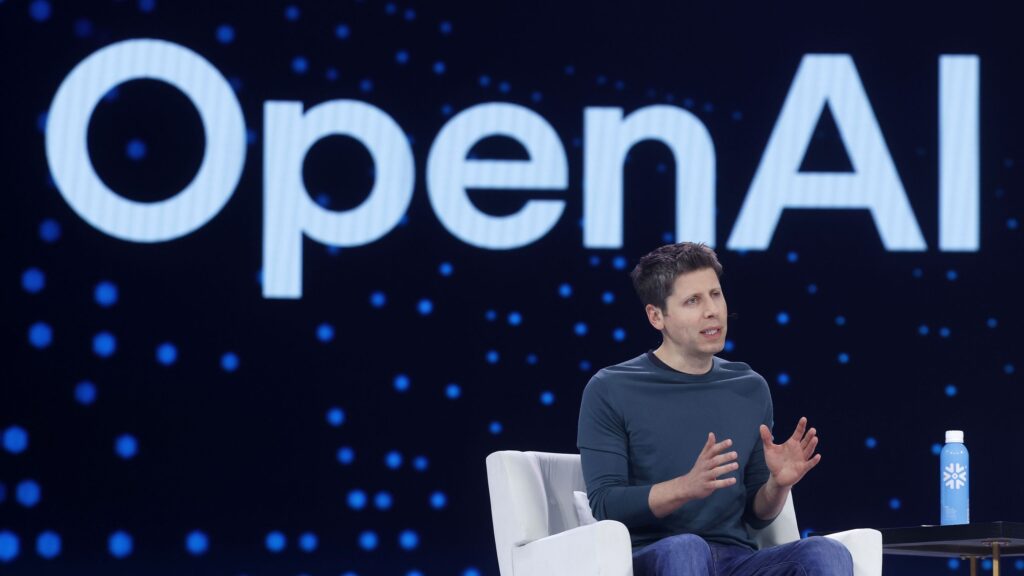
The recent deal between OpenAI and the US Department of War (DoW) has sparked a significant backlash among its user base, highlighting an evolving landscape in the world of AI and automation technologies. This agreement raises important questions about ethics, safety, and the competitive positioning of AI platforms. Businesses, especially as they navigate through selection processes for automation tools, must now consider factors beyond functionality and pricing—namely, the ethical ramifications of the technologies they choose to integrate.
OpenAI’s decision to ally with the DoW, despite previous commitments to ethical AI practices, has led to a notable exodus of ChatGPT users dissatisfied with this direction. Many are migrating to alternatives, such as Anthropic’s Claude, which has declined military partnerships over concerns related to mass surveillance and autonomous weaponry. This scenario illustrates the risks and trade-offs businesses face in adopting AI solutions. While OpenAI touts that its new agreement includes what it terms “guardrails,” the reassurance is insufficient for a substantial portion of its clientele. Concerned users fear that the involvement of AI in military applications could reflect poorly on their organizations, negatively impacting brand reputation and user trust.
When comparing AI chatbot solutions, it is essential to evaluate key performance indicators like functionality, user experience, scalability, return on investment (ROI), and, increasingly, ethical considerations. For instance, OpenAI offers a robust feature set that appeals to a wide range of industries, yet its recent military collaboration complicates its market positioning. The flexibility and integration capability of ChatGPT are commendable; however, the ethical implications may deter businesses focused on brand integrity and social responsibility.
Conversely, Anthropic’s Claude provides a compelling alternative by prioritizing safety and ethical constraints. Users can feel assured that they are supporting a platform that refrains from participating in military and surveillance activities. However, it is crucial to weigh this ethical stance against Claude’s features and pricing as compared to OpenAI. Organizations must consider the functionalities that best align with their automation needs, such as natural language processing capabilities, ease of integration into existing systems, and user-friendliness. Claude is gaining traction among enterprises looking for ethical alternatives, bolstered by the recent surge in popularity among former ChatGPT users.
Cost comparisons should also factor into these decisions. OpenAI has been known for its performance but has frequently been scrutinized for pricing. Many businesses find themselves in a delicate balancing act of cost versus capability. While OpenAI might offer robust performance features, Claude’s pricing structure may deliver better ROI for businesses that prioritize ethical considerations. Specifically, organizations need to evaluate how chatbot costs align with their potential user engagement and customer support metrics. A more ethical platform may incite brand loyalty and, consequently, drive revenue.
Moreover, scalability remains a crucial aspect. OpenAI has demonstrated significant scalability for larger enterprises, but smaller businesses could struggle with the operational costs associated with its AI resources under military contracts. In contrast, Claude’s infrastructure may present a more manageable model for small to medium-sized organizations striving for growth without the complexities tied to ethical dilemmas.
Ultimately, organizations must employ a comprehensive framework for decision-making that incorporates ethical considerations, operational risks, and business objectives when selecting AI platforms for automation. Engaging in forums or collaborative discussions can provide insights and foster a healthier understanding of industry sentiments that may not become apparent through market data alone.
FlowMind AI Insight: As automation tools continue to evolve, the ethical frameworks of AI systems will increasingly dictate user preferences and operational implications. Organizations are urged to critically assess their choice of automation platforms not only on functional metrics but also on ethical grounds to align with their core values and long-term strategies. Choosing the right AI platform can significantly impact an organization’s reputation and stakeholder trust.
Original article: Read here
2026-03-01 14:30:00