
OpenAI’s recent agreement with the US Department of Defense to supply AI systems for classified military networks has ignited significant discourse within the technology ecosystem, particularly against the backdrop of tensions between the government and various AI firms. The timing is particularly poignant, as former President Donald Trump has directed federal agencies to discontinue reliance on technologies developed by competitor Anthropic. This juxtaposition positions OpenAI not just as a tech provider, but as a pivotal player in a broader narrative surrounding ethics, governance, and the military applications of artificial intelligence.
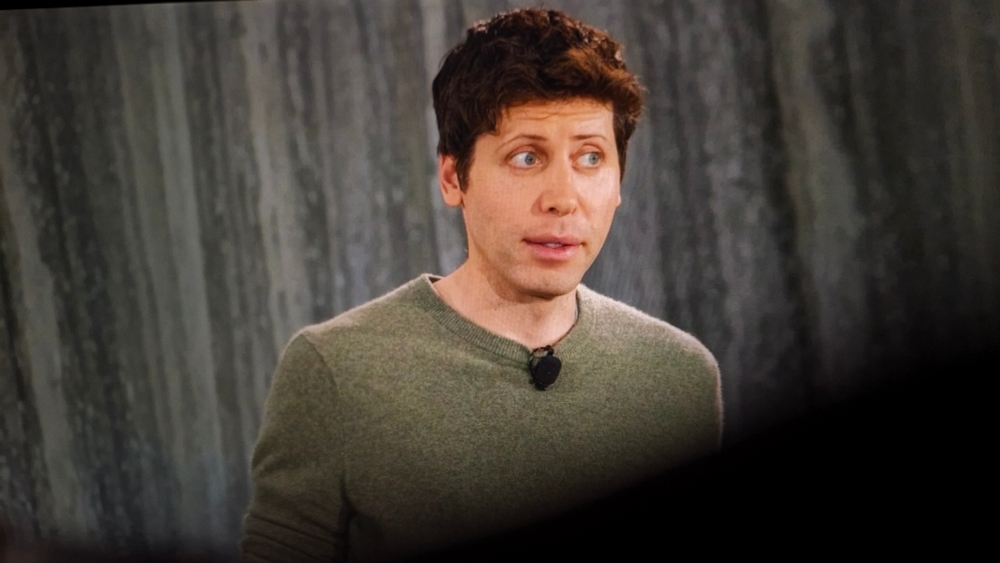
The deal between OpenAI and the Pentagon reportedly includes robust safeguards, asserting that the company’s models will not be deployed for domestic mass surveillance or the creation of autonomous weapons that operate without human oversight. This commitment to ethical practices is one of OpenAI’s distinguishing features in the crowded AI landscape. OpenAI’s Chief Executive Sam Altman has emphasized that these principles are non-negotiable, yet the situation highlights the varied approaches to ethical considerations in AI development across the industry.
In contrast, Anthropic’s approach, demonstrated by its refusal to compromise on ethical constraints during negotiations with the Pentagon, has sparked a very public divergence within the AI sector. This situation underlines critical factors for leaders in small to medium-sized businesses (SMBs) and automation specialists interested in leveraging AI technologies for operational optimization.
When comparing AI platforms such as OpenAI and Anthropic, it is essential for SMB leaders to weigh not only performance but also ethical frameworks and governance structures underlying these technologies. Both platforms exhibit strengths; however, they diverge significantly in their positioning towards ethical guidelines and military engagements. OpenAI’s alignment with government goals may enhance its visibility and market share in military contracts, translating into potential revenue streams. Conversely, Anthropic’s principled stance may appeal to organizations prioritizing ethical adherence over expansive contracts with governmental entities.
Cost is another critical variable influencing decisions on AI platform adoption. OpenAI generally presents a more extensive range of pricing tiers, allowing for leveraging its capabilities based on specific organizational needs. This scalability can significantly affect the return on investment (ROI) for businesses—particularly SMBs that require flexible, budget-conscious solutions. The comprehensive APIs, training modules, and user support offered by OpenAI may afford smaller firms the chance to customize applications efficiently. In comparison, Anthropic’s pricing structure remains less transparent, which may dissuade budget-strapped organizations from engaging with its Claude AI system despite its ethical rigor.
Scalability is central to the successful deployment of AI and automation tools. OpenAI’s extensive suite of services, from text generation to code assistance, showcases a level of versatility that allows businesses to scale their operations through automation enhancements. SMBs can integrate OpenAI’s API into existing workflows to elevate productivity and reduce operational costs without the need for extensive infrastructure investments. Meanwhile, Anthropic’s Claude AI focuses on responsible deployments in less traditional scenarios, which might limit scalability for businesses looking for solutions that can rapidly adapt to evolving demands.
User experience and ease of integration into existing business processes also warrant consideration. OpenAI has been recognized for its intuitive interfaces and comprehensive documentation, making it more accessible for teams lacking specialized technical expertise. Enhanced user experience often translates into quicker onboarding processes, fostering faster adoption rates within organizations. Anthropic, while aligned with ethical considerations, may present a steeper learning curve for organizations, which could impact adoption and thus ROI.
In an environment where the ethics of AI deployment are under scrutiny, the divergent paths adopted by OpenAI and Anthropic present SMB leaders with a pivotal decision point. In the short term, the potential for OpenAI to secure federal contracts signals a moment of heightened opportunity for revenue generation. However, as society increasingly pivots towards prioritizing ethical considerations in technology utilization, businesses must also consider the long-term ramifications of their platform choices on corporate reputation and stakeholder relationships.
The central takeaway for SMB leaders is to conduct exhaustive evaluations of AI tools not solely based on their technical capabilities but also through the lens of ethical frameworks, costs, and long-term sustainability. Building a future-proof operational structure hinges on the ability to balance profitability with responsible practices. Opting for a platform like OpenAI may yield immediate benefits, while engagement with a firm such as Anthropic could align more closely with ethical commitments crucial for enduring brand loyalty and public trust.
FlowMind AI Insight: In an evolving technology landscape, businesses must consider AI not just as a tool for operational efficiency but as a strategic partner in ethical governance. The alignment of AI technologies with corporate values will be pivotal in shaping long-term success as societal expectations around responsible AI use continue to rise.
Original article: Read here
2026-03-02 07:22:00