
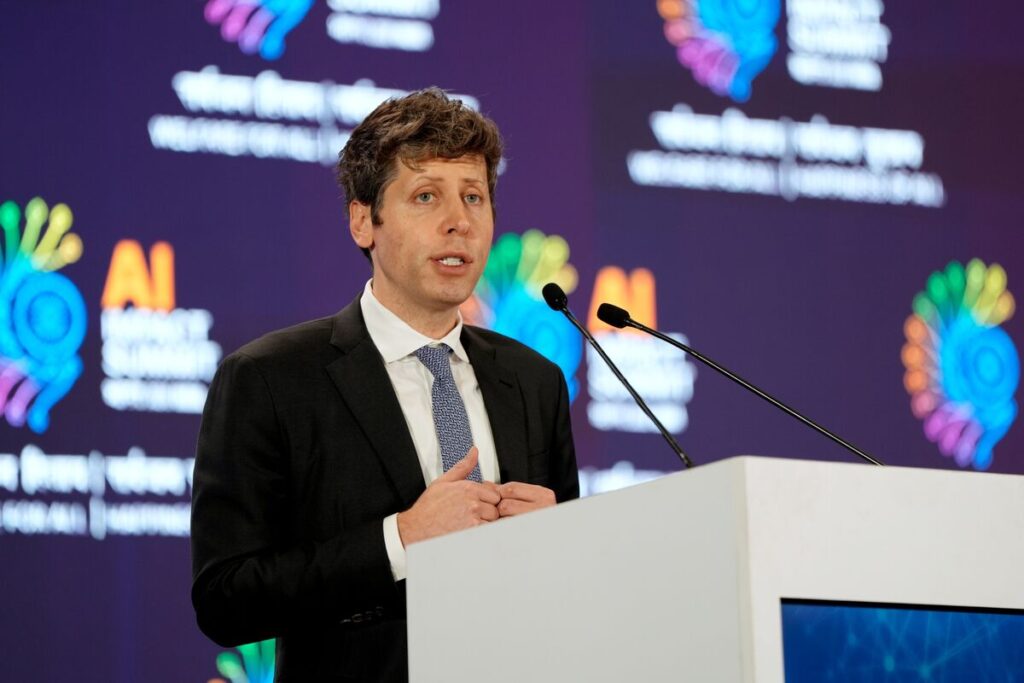
The landscape of artificial intelligence (AI) and automation is rapidly evolving, particularly in the context of how organizations deploy these technologies to enhance operational efficiency and decision-making. As demonstrated in a recent internal discussion led by OpenAI CEO Sam Altman, the strategic positioning of AI companies in relation to military contracts showcases the intersection of ethics, operational capacity, and stakeholder management. This situation invites broader examination into the comparative strengths and weaknesses of AI and automation platforms, specifically considering tools like OpenAI and Anthropic, as well as automation services such as Make and Zapier.
When comparing automation platforms, Make and Zapier are often regarded as frontrunners in the market. Both tools allow users to streamline processes and automate workflows, but they cater to different user preferences and requirements. Zapier boasts a more user-friendly interface and a vast array of integrations with application-based services, making it highly accessible for non-technical users. However, this ease of use comes at a cost: Zapier’s pricing model can escalate quickly with increased usage, particularly for businesses that require advanced features or have a larger number of tasks to automate.
On the other hand, Make presents a more robust, visual approach to automation that is well-suited for users with a technological background. The platform’s flexibility allows for more complex workflows, potentially offering greater value as organizations grow and their automation needs become more sophisticated. While Make may present a steeper learning curve, the long-term return on investment (ROI) can be substantial for businesses willing to invest time in mastering the platform. Thus, SMB leaders should consider both immediate usability and future scalability when selecting an automation tool.
Shifting the focus to AI platforms, OpenAI and Anthropic provide distinct advantages and challenges in the burgeoning landscape of machine learning and natural language processing. OpenAI, led by Altman, offers powerful language models and cutting-edge research; however, its alignment with military applications raises ethical considerations and operational boundaries as highlighted by Altman’s recent comments. The suggestion that OpenAI should not influence operational decisions illustrates the complex relationship between technological innovation and ethical governance, particularly as companies navigate partnerships with defense and governmental bodies.
Conversely, Anthropic, established as a competitor to OpenAI, emphasizes safety and alignment in its model development. While this focus may limit the breadth of applications currently available compared to OpenAI, it positions Anthropic as a more responsible choice for organizations concerned about the ethical implications of AI deployment. The strategic positioning of both companies will likely reflect in their market performance, with businesses needing to align their values with their technological investments.
Cost considerations in utilizing AI platforms differ significantly based on user intent and application. For SMBs, licensing costs for platforms like OpenAI may become a barrier to entry if the investment does not yield proportional benefits through efficiency gains or revenue increases. It is essential to conduct a comprehensive assessment of how specific AI applications can integrate within existing workflows to avoid a mismatch of investment versus output.
Furthermore, the scalability of AI and automation solutions plays a critical role in determining the long-term efficacy of chosen platforms. As companies grow, their operational and strategic needs evolve, pushing for continuous updates and capabilities. OpenAI’s extensive API can support diverse applications, but the learning curve for optimization might strain smaller organizations lacking dedicated resources. In contrast, the versatility of Make allows for easier adaptation as businesses scale, although ongoing tweaks may require more technical capacity.
Professionals in the SMB sector must approach these technological investments with a critical eye. The interplay between capability, cost, and ethical implications should drive decision-making in platform selection. Engaging in a thorough evaluation of how each tool aligns with organizational goals not only supports informed choices but also maximizes the potential for innovation and operational excellence.
FlowMind AI Insight: As AI continues to permeate various sectors, the implications of ethical governance and operational strategy will only intensify. Organizations should prioritize platforms that align not only with their technological needs but also with ethical standards and social responsibilities, ensuring sustainable growth and trust with stakeholders.
Original article: Read here
2026-03-04 00:22:00