
The recent developments involving OpenAI and Anthropic PBC shed light on the critical intersection of artificial intelligence and ethical considerations in defense applications. As AI technology rapidly evolves, organizations must navigate an increasingly complex landscape rife with ethical questions and corporate rivalries. The agreements made by OpenAI, particularly in their dealings with the Defense Department, underscore the pressing need for clarity and ethical governance in AI deployment, especially concerning national security and civilian surveillance.
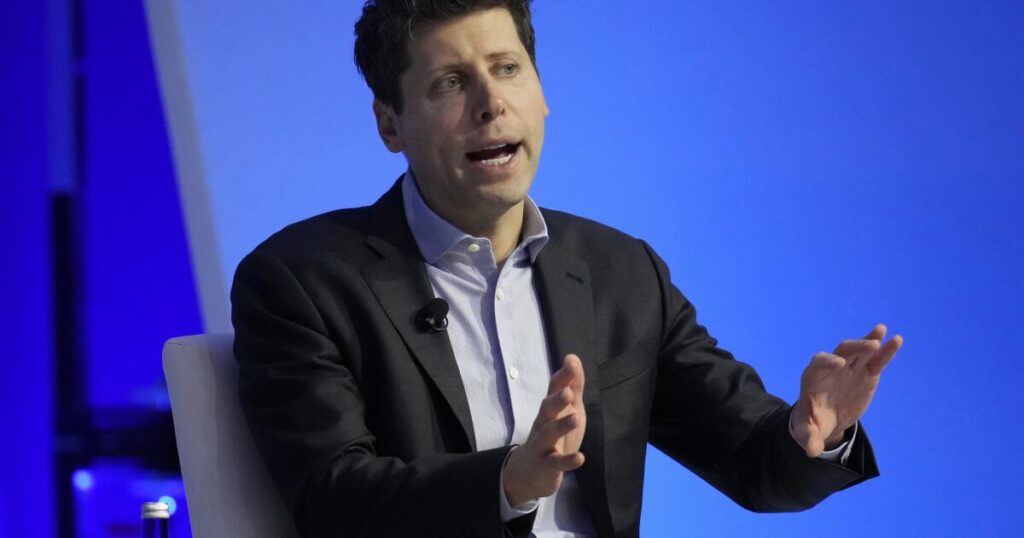
Sam Altman, the CEO of OpenAI, publicly criticized his own company’s rush to form a partnership with the Pentagon. This response came in the wake of a significant clash between the Defense Department and Anthropic, which has taken a strong stance against the use of AI for domestic surveillance and autonomous weaponry. The dichotomy between the two organizations points to differing corporate philosophies and the potential pitfalls of unexamined expansion into sensitive sectors. OpenAI, in striking a deal with the Pentagon, positioned itself as a pragmatic yet opportunistic player in the defense arena, raising eyebrows about the decision-making processes within the organization.
From a competitive standpoint, OpenAI and Anthropic offer different functionalities, making a direct comparison of their offerings imperative for decision-makers in small to medium-sized businesses (SMBs) and automation specialists. OpenAI’s tools, including the well-known GPT series, are widely celebrated for their versatility in various applications, spanning from customer service automation to content creation. However, their swift integration into sensitive areas such as military partnerships raises concerns about ethical implications and governance.
Conversely, Anthropic has taken a more cautious approach, prioritizing ethical considerations in its technology deployment. By explicitly prohibiting the use of its AI for surveillance purposes, Anthropic has carved a niche that appeals to organizations committed to ethical AI usage. This has garnered considerable support, reflected in the rising popularity of its Claude Code suite, which has outpaced OpenAI’s Codex in terms of market adoption. For SMBs weighing the implications of deploying AI tools, the comparative reputations and ethical stances of these companies may play a pivotal role in their adoption decisions.
Cost considerations also come into play when deciding between AI platforms. OpenAI’s expansive capabilities often come at a premium, potentially straining the budgets of smaller organizations. In contrast, while pricing models for Anthropic may also reflect its robust features, the pricing strategy can incentivize companies that prioritize ethical AI and regulatory compliance. As automation continues to represent a substantial area of investment, understanding the return on investment (ROI) from these tools becomes critical. Organizations that choose to engage with platforms like Anthropic, which actively seeks to mitigate certain ethical risks, may find this choice promotes broader trust among their clientele and mitigates potential backlash from controversy-laden partnerships.
Another crucial strength of Anthropic lies in its unwavering stance on ethical AI deployment, allowing organizations to operate within a framework that emphasizes safety and compliance. Altman’s admission that OpenAI’s recent deal with the Pentagon was “hasty” indicates a potential vulnerability in their approach. For decision-makers in SMBs, it is essential to account for the scalability of these platforms. Both OpenAI and Anthropic are designed to scale; however, the ethical dimensions surrounding deployment will influence long-term strategic value.
As organizations anticipate the future landscape of AI, engagement with platforms should encompass a thorough analysis of not just the functionality but also the values guiding these technologies. OpenAI’s willingness to collaborate with the Defense Department may present immediate utility, yet it also raises red flags regarding ethical conduct and potential reputational risks associated with governmental partnerships. In contrast, Anthropic’s principled approach could offer a more streamlined pathway toward sustainable growth in an increasingly scrutinized environment.
The dynamics between these technology providers provide critical insights for SMB leaders and automation specialists. Prioritizing platforms with a demonstrated commitment to ethical principles can serve as a risk management strategy, ensuring that technology deployment does not attract public scrutiny that could impair business operations. The capacity for scalability linked to ethical governance may position organizations at the forefront of responsible AI deployment while continuing to harness the benefits of automation.
In conclusion, the future of AI and automation platforms will be significantly influenced by both technological capabilities and ethical considerations. As SMB leaders make decisions on the tools they employ for automation, they should remain cognizant of these factors to mitigate risk and enhance the overall value derived from their investments.
FlowMind AI Insight: The ongoing dialogue around AI ethicality and its implications for operational choices illustrates that the intersection of technology and governance is increasingly vital. Emphasizing ethical considerations in automation will not only enhance trust among stakeholders but will also pave the way for more responsible growth in the AI sector.
Original article: Read here
2026-03-04 14:36:00