
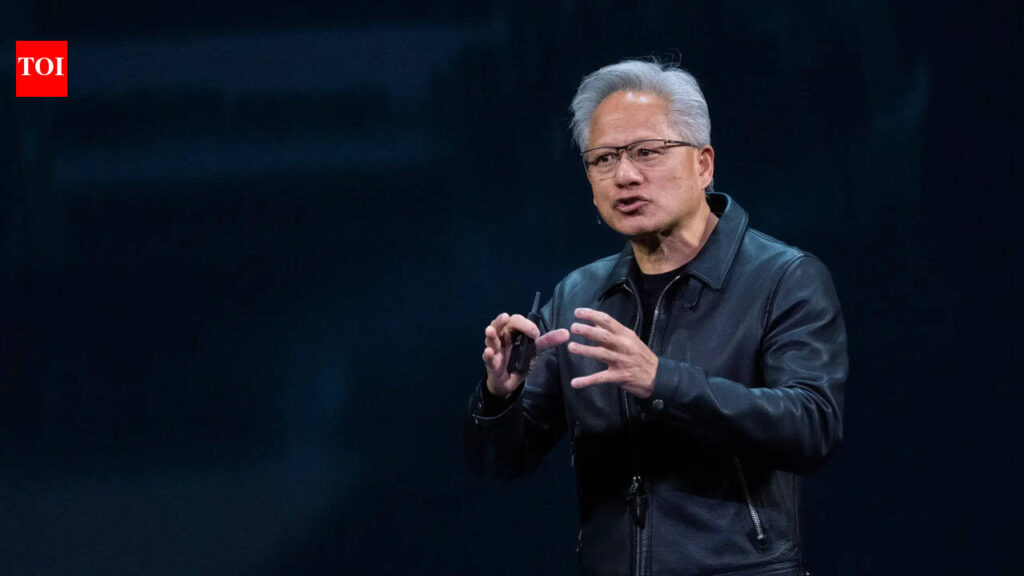
The landscape of artificial intelligence (AI) and automation platforms is evolving rapidly, with recent developments underscoring key trends and capabilities that SMB leaders must navigate. A recent announcement from Nvidia CEO Jensen Huang, indicating that the company’s substantial financial commitments to AI developers OpenAI and Anthropic may be its last forays into such investments, may serve as a clarion call for businesses exploring these technologies. With a total investment reaching $40 billion, Nvidia’s dual partnerships demonstrate the high stakes involved as the company and its partners gear up for the possibility of initial public offerings (IPOs).
The strategic focus of Nvidia’s investments provides an opportunity to analyze the broader implications for AI and automation platforms in the SMB sector. OpenAI, known for its development of ChatGPT, has garnered immense traction through its advanced language processing capabilities, while Anthropic positions itself as a formidable competitor. The divergence in their functionalities highlights a crucial comparison that SMBs must make when selecting automation tools.
OpenAI’s technology, particularly ChatGPT, excels in natural language comprehension and generative tasks. Its capabilities include creating nuanced and contextually relevant content, making it a valuable asset for marketing automation and customer support. One significant advantage of OpenAI is its user-friendly API, which facilitates seamless integration into various workflows, enhancing efficiency without demanding extensive technical expertise. However, high usage costs can strain budgets, particularly for small to mid-sized organizations. Furthermore, as Huang signaled the possibility of an IPO, the financial landscape around OpenAI will inevitably change. Cost structures may evolve, compelling businesses to reassess long-term ROI on their investments.
Conversely, Anthropic’s offerings emphasize alignment and safety in AI, providing alternative functionalities that prioritize ethical considerations and user control. This makes Anthropic particularly appealing for SMBs prioritizing responsible AI usage within sensitive sectors, such as finance or healthcare. Although still evolving, the focus on robust safety measures could mitigate risks associated with deploying advanced AI solutions. However, Anthropic’s relative nascency in the market may lead to limitations in terms of functionality and support, ultimately impacting scalability for businesses anticipating rapid growth or fluctuating demands.
When comparing platforms for automation, tools like Make and Zapier emerge as critical players. Make offers a more complex and customizable integration experience, providing advanced functionalities for users who need tailored workflows. However, this complexity may pose a learning curve, potentially hindering rapid implementation for SMBs with limited technical resources. In contrast, Zapier’s intuitive interface and extensive library of compatible applications make it an attractive choice for organizations seeking quick automation solutions. The trade-off lies in the level of complexity and customization, with Make appealing to those requiring specificity while Zapier serves a broader audience.
Both platforms exhibit unique pricing structures that warrant consideration. Make’s pricing can scale based on usage, potentially leading to higher costs for heavy users. Alternatively, Zapier utilizes a tiered model that can offer financially predictable solutions but may limit features as businesses grow. This distinction in cost and capabilities underscores the necessity for SMB leaders to evaluate long-term growth trajectories when deploying automation solutions.
As investments in AI technologies become more concentrated among a few key players, SMB leaders must strategically align their automation choices with business objectives. Choosing the right platform hinges on collaborative strategy—understanding the nuances of each tool’s strengths and weaknesses can guide organizations in making data-driven decisions. Stakeholders should closely monitor the evolving costs associated with AI solutions, particularly in light of potential IPOs and shifting market conditions, as these changes could significantly impact operational ROI.
The narrowing focus of major players like Nvidia signals a period of maturation in the AI landscape. As Nvidia prepares for the possibility of OpenAI’s IPO, the ripple effects on pricing, accessibility, and competitiveness are likely to be felt throughout the industry. Strategic alignment, a clear understanding of pricing structures, and a focus on scalability will be crucial in optimizing AI investments. In the ever-shifting terrain of AI and automation, those who prioritize data-driven decision-making and adaptability will find themselves best positioned to maximize the returns on these critical technologies.
FlowMind AI Insight: As the AI landscape becomes increasingly competitive and defined, SMB leaders must remain agile in their technological decisions. By leveraging a blend of advanced analytics and strategic business alignment, organizations can effectively navigate platform choices, ensuring sustainable growth and operational efficiency. Robust evaluation criteria are essential to making the most informed decisions as the market continues to evolve.
Original article: Read here
2026-03-05 07:54:00