
The geopolitical landscape and the rapid advancement of artificial intelligence (AI) technologies are currently converging, leading to an urgent re-evaluation of the ethical and practical implications of these technologies in industries ranging from defense to consumer goods. This intersection was highlighted by Amanda Mull’s recent column, where she discussed the ramifications of the Iran war on US military applications of AI, illuminating the need for ethical considerations in the deployment of such powerful tools. As larger entities navigate these complex challenges, small to medium-sized businesses (SMBs) and automation specialists must also critically assess the available automation platforms that could either bolster their operations or expose them to undue risk.
Platforms such as Make and Zapier have gained prominence for their ability to streamline processes, enabling users to automate workflows without extensive programming skills. On the surface, both systems project simplicity and accessibility; however, a deeper analysis reveals distinct strengths and weaknesses that SMB leaders should consider when choosing between them. Make, formerly known as Integromat, offers a more visual interface that allows for intricate automation flows, appealing to users who require advanced customization options. Its pricing model is somewhat flexible, allowing for a pay-as-you-go approach, making it a compelling choice for businesses with fluctuating needs. However, this complexity can also be overwhelming for users seeking straightforward automation solutions, potentially leading to increased training costs and time lost in the setup process.
In contrast, Zapier is often regarded as the gold standard for automation. Its user-friendly interface makes it significantly easier for newcomers to the automation space to set up and manage workflows. Zapier boasts a massive library of integrations with thousands of applications, which can simplify the user experience further. However, its tiered pricing model can quickly escalate for businesses that require a high number of tasks or complex workflows. While Zapier facilitates quick automation setup, it may not provide the depth of capability some power users seek compared to Make. An analysis of the return on investment (ROI) reveals that while Zapier tends to offer quicker initial results, Make can deliver long-term value for businesses with the expertise to harness its full potential, especially in intricate workflows.
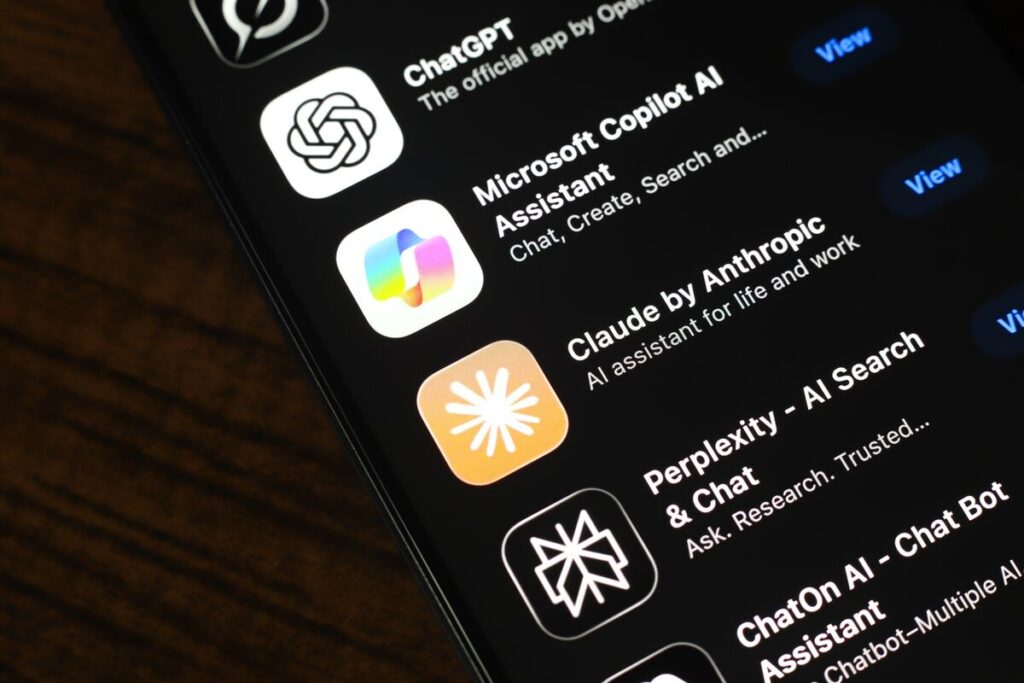
Turning to the realm of AI, OpenAI and Anthropic present compelling choices for machine learning applications. Both companies have demonstrated cutting-edge capabilities in natural language processing, but they differ in philosophy and implementation. OpenAI has garnered attention for its GPT models, which are powerful but can also be unpredictable in their responses, necessitating ongoing oversight and adjustment. This can translate into higher operational costs as businesses must invest in training and refining AI outputs to ensure alignment with specific objectives. Conversely, Anthropic emphasizes safety and alignments with their AI systems, which may present a more stable, albeit less expansive, choice for companies prioritizing ethical deployment. Although their technology may sacrifice some versatility compared to OpenAI, this approach could result in lower long-term costs related to risk management and oversight.
Evaluating the scalability of these platforms is another critical factor for SMBs. Both automation tools and AI solutions must not just meet current needs but should also be able to grow alongside the business. Make’s flexible pricing and modular integrations support scalability, enabling businesses to tailor their automation as they expand, though this may require more expertise at higher levels. Zapier’s straightforward approach allows for rapid scaling, but businesses may eventually need to consider limitations at higher-tier plans when tasks multiply.
Likewise, when considering AI technologies, OpenAI provides an expansive infrastructure capable of handling significant increases in processing demands, making it valuable for growth-oriented companies. Anthropic’s focus on responsible AI may set a slightly different trajectory in scalability, appealing to companies that are particularly sensitive to ethical implications and stakeholder expectations, albeit it may not scale as aggressively in complexity.
In conclusion, SMB leaders must adopt a critical lens when selecting automation and AI platforms. The choice should revolve around understanding specific business requirements, weighing the balance between complexity and usability, and evaluating the ethical considerations of AI deployment in their operational model. Leaders should lean toward platforms that not only promise immediate efficiency but also accommodate future growth and align with core business values.
FlowMind AI Insight: As SMBs navigate the evolving landscape of automation and AI, a judicious approach to platform selection is essential. Prioritize tools that not only drive immediate operational efficiencies but are also scalable and ethically aligned with your long-term goals. This strategic consideration will safeguard your investment and position your business favorably in a competitive market.
Original article: Read here
2026-03-05 18:45:00