
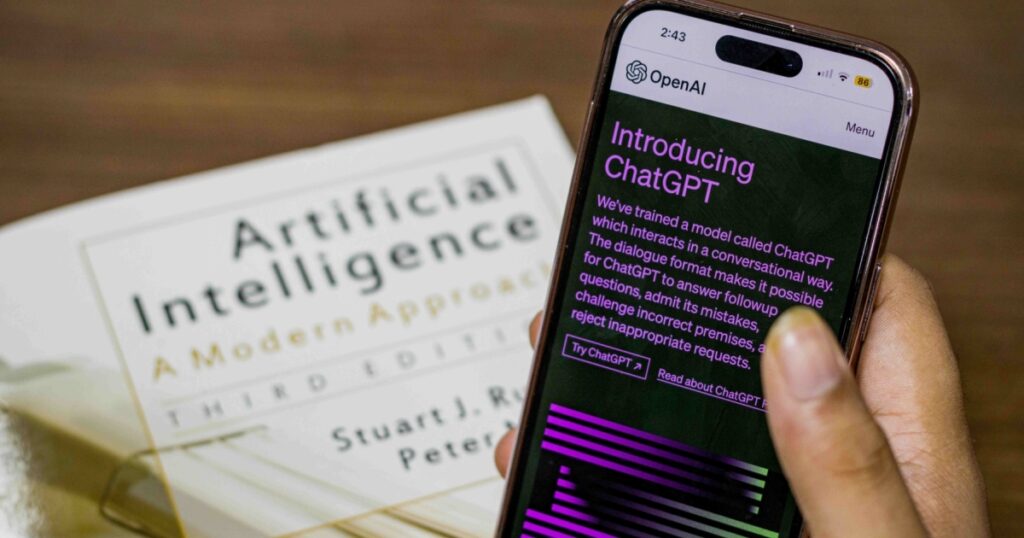
In January, the demand for artificial intelligence-related skills witnessed a remarkable surge, nearly doubling compared to the same month a year prior. This spike is reflected in the job market, where postings that referred to AI rose by 23%. Notably, this growth is most pronounced in data and analytics roles, where about two-thirds of job postings now mention artificial intelligence. The demand extends into various sectors, demonstrating a more comprehensive integration of AI into occupational categories. In total, 53% of job postings across different fields referenced AI, compared to only 27% from the previous year.
Employees currently leverage AI technologies at an unprecedented scale. According to a separate report by Qualtrics, 68% of workers frequently use AI tools in their daily operations, with 57% expressing optimism regarding AI’s potential. A substantial 41% of respondents indicated that these technologies enable them to execute tasks they previously could not manage. However, amid this burgeoning reliance on AI, a troubling gap in organizational technology investment presents substantial risks.
Only 14% of employees reported using company-provided AI tools for their work. This statistic underscores a growing trend referred to as “shadow AI,” where employees resort to unauthorized or unapproved AI software to meet job demands. Such practices generally expose organizations to risks associated with data leaks, compliance failures, and security vulnerabilities, undermining the very advantages that AI could provide.
For small and medium-sized businesses (SMBs) and automation specialists, evaluating AI and automation platforms is increasingly vital. A sharp comparison between leading platforms highlights the strengths and weaknesses of available options. For instance, Make and Zapier are two prominent solutions catering to automation requirements.
Make offers advanced functionalities for those who require customized workflows. It shines in its ability to handle complex, multi-step workflows and provides a visual interface that is intuitive for users with varying degrees of technical expertise. However, its pricing structure can become steep depending on usage, potentially limiting scalability for smaller organizations. This platforms affordability often increases proportionate to the complexity of workflows, which may be a consideration for budget-conscious SMBs.
In contrast, Zapier’s strength lies in its simplicity and extensive integration capabilities. With over 5,000 applications supported, it facilitates automated processes across various software platforms with minimal setup. While Zapier is generally more accessible for beginners, it may lack the depth of customization that advanced users might seek. As businesses contemplate long-term ROI, the question becomes whether immediate ease of use outweighs potential limitations in customization and scalability.
When looking into AI-specific platforms, a comparison between OpenAI and Anthropic can yield valuable insights. OpenAI provides comprehensive machine learning models that excel in natural language processing tasks. Its versatility makes it suitable for various applications, from customer service automation to content creation. Additionally, OpenAI’s robust API supports scalability, but companies may face higher costs as usage increases, potentially impacting budget forecasts.
Anthropic, focused on a more ethical approach to AI deployment, places a strong emphasis on aligning AI’s capabilities with human intentions. While this focus is commendable and increasingly attractive to socially responsible businesses, Anthropic’s offerings might not be as feature-rich as OpenAI’s. Depending on the organizational stance towards ethical AI practices, this could influence platform selection and adoption.
While the AI market is rapidly evolving, the success of an AI strategy hinges on the alignment of tools with organizational goals. Companies should conduct a thorough analysis of tool capabilities concerning their unique requirements, budget constraints, and growth trajectories. The effectiveness of any tool resonates not only through immediate operational enhancements but also through long-term impacts on organizational culture and employee engagement. By identifying platforms that not only meet current needs but also anticipate scalable growth, SMBs can better position themselves for future competitive advantages.
As organizations increasingly depend on AI technologies, the disparity between employee tool usage and corporate technology investment must be addressed. By providing authorized, secure AI solutions, firms can empower their workforce while minimizing risk. Investing in the proper infrastructure ensures that companies not only capitalize on current demands but also build sustainable frameworks for future scalability.
In conclusion, as SMBs continue to navigate the complexities of integrating AI into their operations, a strategic approach toward tool selection and investment is vital. Careful comparisons of functionalities, costs, and scalable opportunities will ultimately guide organizations toward making informed decisions that align with their business objectives.
FlowMind AI Insight: As organizations adapt to the rapidly evolving AI landscape, a proactive stance toward tool investment and employee empowerment is critical. By addressing the shadow AI phenomenon and investing in secure, scalable solutions, businesses can harness the full potential of AI to drive innovation and operational excellence.
Original article: Read here
2026-03-05 21:00:00