
In the era of rapid technological advancement, the ongoing rivalry between leading AI firms such as OpenAI and Anthropic presents an intriguing case study for small to medium business (SMB) leaders and automation specialists. The tensions, punctuated by recent statements from figures like Sam Altman, open a broader conversation on governance, technology ethics, and strategic partnership implications for automation platforms. As organizations work to optimize processes, evaluating the strengths, weaknesses, costs, return on investment (ROI), and scalability of AI tools is crucial for informed decision-making.
OpenAI, under Altman’s leadership, advocates for aligning AI initiatives with democratic governance, positioning itself as a proponent of responsible technology deployment. Altman’s remarks at a recent conference critiquing the potential abandonment of democratic principles by firms underscored OpenAI’s commitment to transparency and ethics in AI application. With its models demonstrating advanced capabilities in natural language processing and generative text, OpenAI offers SMBs powerful tools for enhancing customer engagement, automating repetitive tasks, and analyzing operational data. However, the costs can mount quickly, with bespoke integrations and ongoing maintenance requiring significant investment, thus presenting a challenge in ROI calculations for smaller enterprises.
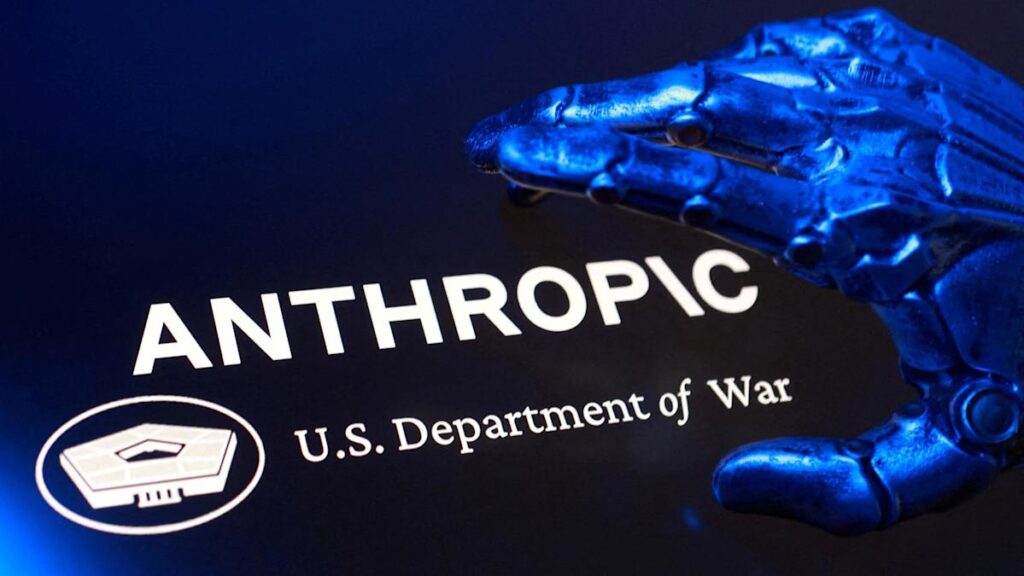
Conversely, Anthropic has positioned itself as a counterbalance in the market, emphasizing ethical safeguards and responsible AI use. Their recent dispute with the Pentagon over the use of AI models highlights a crucial aspect of their philosophy: maintaining control over technology applications to prevent misuse. For SMB leaders, this raises the important question of a provider’s willingness to negotiate terms of use. Anthropic’s emphasis on responsible governance could resonate with businesses looking to align with ethical standards, albeit potentially at a higher price point due to the emphasis on safety features.
When comparing platforms like Make and Zapier, the parallels in philosophy and operational ethics become apparent. Make, formerly Integromat, markets itself as a more customizable option compared to Zapier, allowing for complex workflows which can be tailored to specific business needs. This flexibility could be appealing to SMBs with unique processes, offering a stronger ROI by streamlining operations and saving manpower. However, the complexity of Make’s interface may present a steeper learning curve, which could deter adoption among less tech-savvy teams.
On the other hand, Zapier shines with its user-friendly design and vast library of pre-existing integrations. This accessibility often allows for quicker implementation and lower initial costs, making it an attractive choice for SMBs with quicker turnaround needs. Yet, its comparatively limited customization may prevent some businesses from fully optimizing their workflows for specific requirements, potentially impacting long-term scalability.
Strategically, AI and automation platforms can offer profound efficiencies, but leaders must thoroughly evaluate the long-term implications of their choices. Entering a partnership with a firm that has demonstrated ethical practices and a commitment to governance can safeguard against unforeseen consequences and enhance organizational reputation. Moreover, as AI technologies continue to integrate into various sectors, familiarity with the nuances of these tools will empower organizations to advocate for their needs effectively, shaping the development of future solutions.
In conclusion, the dynamics at play between OpenAI and Anthropic signify a larger conversation about the interplay of governance, ethics, and business technology. SMB leaders and automation specialists must weigh their options carefully, aligning their operational strategies with platforms that not only meet their immediate needs but also uphold ethical standards that will govern the use of these powerful tools in future endeavors.
FlowMind AI Insight: The competition between AI leaders forces a reevaluation of technology adoption strategies, igniting conversations about ethics and governance. For SMBs, choosing an AI platform transcends immediate operational gains; it involves a commitment to partnerships that resonate with broader societal values, ultimately shaping the future of automation in their organizations.
Original article: Read here
2026-03-05 21:21:00