
In the landscape of artificial intelligence and automation platforms, companies like OpenAI and Anthropic take center stage, offering distinct paths for small and medium-sized businesses (SMBs) looking to leverage AI solutions. The recent developments surrounding OpenAI—including personnel resignations and the controversial deal with the U.S. Department of War—highlight pivotal considerations for businesses selecting an AI provider. Understanding the strengths, weaknesses, costs, and scalability of platforms like OpenAI’s ChatGPT and Anthropic’s Claude is crucial for SMB leaders and automation specialists aiming to make informed decisions.
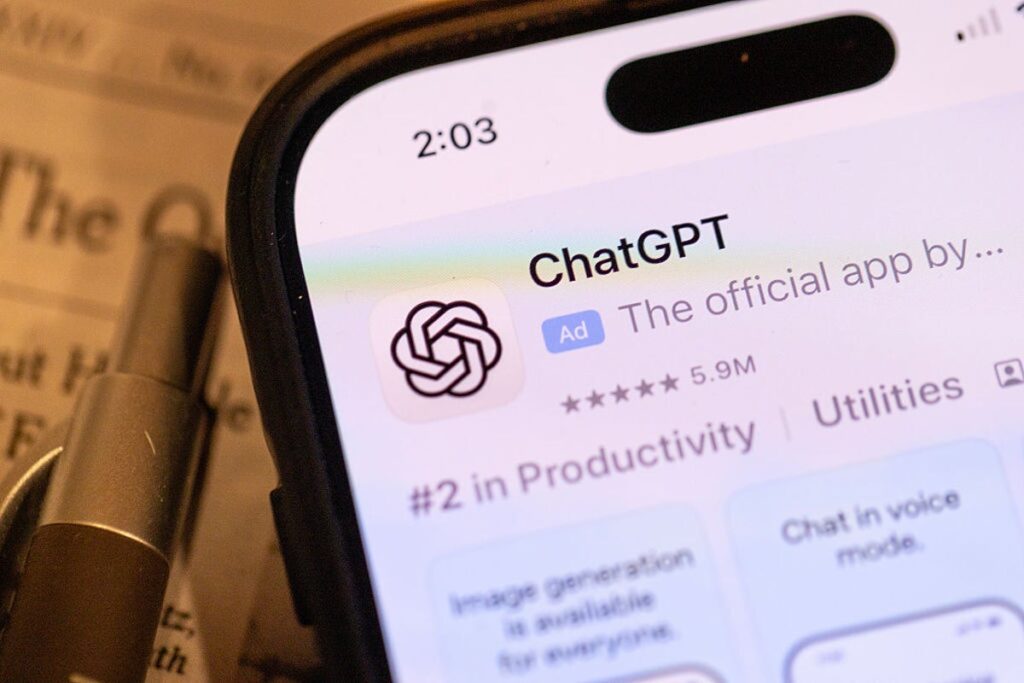
OpenAI’s ChatGPT application has gained significant traction in various sectors, from customer service automation to content generation. One of ChatGPT’s primary strengths lies in its robust natural language processing capabilities, which allow for fluid and human-like interaction. This can lead to enhanced customer experiences and operational efficiencies. However, the platform’s recent scrutiny over ethical considerations, particularly concerns around surveillance and military applications, might raise red flags for businesses keen on maintaining a strong ethical stance in their operations. The resignation of Caitlin Kalinowski, a prominent member of the robotics team, underscores the potential risks associated with aligning with a provider perceived as compromising on ethical standards.
In contrast, Anthropic, with its Claude AI, has positioned itself as a responsible alternative. Its leadership has taken a firm stance against the use of AI for surveillance and autonomous weapons, setting it apart from OpenAI in the eyes of businesses that prioritize ethical AI practices. This conscientious approach could foster greater trust among clients, leading to enhanced brand loyalty and preference in increasingly competitive markets. However, it is important to note that Claude may not yet match the extensive features and integrations that OpenAI offers, potentially impacting its immediate scalability for some SMB applications.
Cost is another crucial factor to be examined. OpenAI generally operates on a subscription-based pricing model, with variations depending on usage and scale. For an SMB, this model can lead to predictable costs, but potential users must closely monitor usage to avoid unexpected spikes, particularly as the tool’s capabilities are leveraged more extensively. On the other hand, Anthropic’s pricing model has yet to be as thoroughly publicized, which could make financial forecasting more challenging. For budgets with tight constraints, it’s crucial to assess not just initial costs but also long-term value and ROI. The cost of inaction may surpass the financial commitments involved in adopting these platforms, as operational inefficiencies continue unaddressed.
Both platforms exhibit strong scalability potential that can accommodate the evolving needs of SMBs. With OpenAI, businesses can start small and incrementally integrate advanced features into their operations as their requirements grow. This modular scalability is a significant advantage for companies looking to gradually adopt AI capabilities without overwhelming their resources. Conversely, Anthropic may offer a comparably lower barrier to entry due to its ethical approach and adherence to responsible AI usage. While it may not currently rival OpenAI in terms of immediate capabilities, its development trajectory may pave the way for a robust alternative as the market matures.
Leadership teams must also consider the long-term implications of the automation platforms chosen. Beyond the initial setup and integration, the strategic alignment of AI tools with organizational culture, mission, and objectives will significantly influence the effectiveness of the chosen technology. As illustrated by OpenAI’s recent executive shifts and ethical concerns, the organizational governance surrounding AI can significantly affect a tool’s applicability and market acceptance. Companies should engage in thorough stakeholder conversations and risk assessments to ascertain that their chosen AI partner aligns not only with technical requirements but also with ethical and governance considerations.
In summary, the ongoing debate surrounding OpenAI and Anthropic offers SMB leaders a textbook case in evaluating vendor alignment with organizational values. OpenAI’s comprehensive features and scalability are enticing, but ethical and governance issues warrant attention. On the other hand, while Anthropic presents a more ethical stance, its functionality may still require further development to match the immediacy of OpenAI’s offerings. Leaders in SMBs should weigh these factors diligently, considering the specific needs, resources, and values of their organizations.
FlowMind AI Insight: In this rapidly evolving landscape, it is crucial for SMB leaders to prioritize ethical considerations alongside technological capabilities when selecting AI vendors. By understanding the long-term implications of these decisions, businesses can position themselves for sustainable success in an increasingly automated world.
Original article: Read here
2026-03-09 10:56:00