
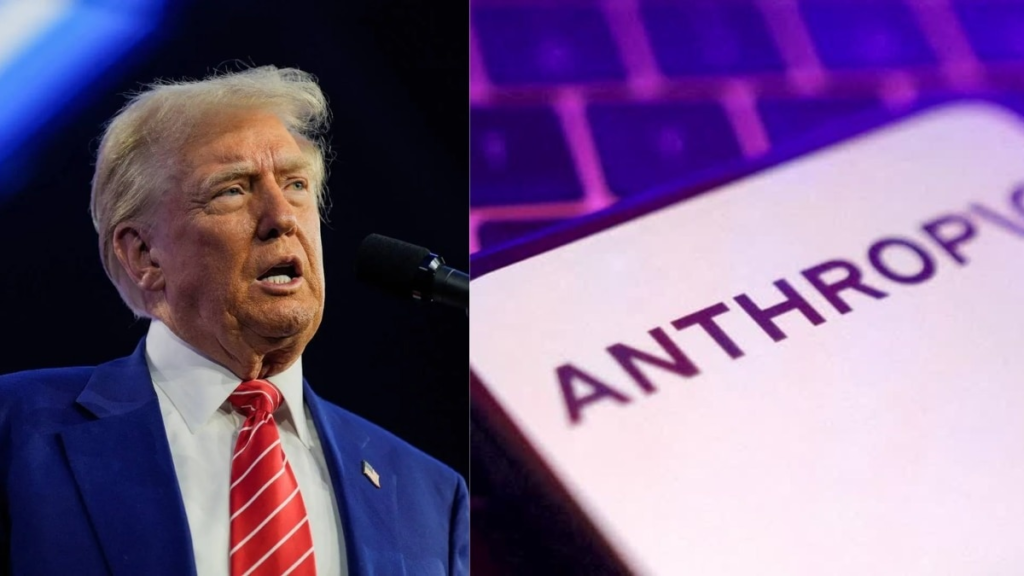
In a landscape marked by rapid advancements in artificial intelligence (AI) and automation, the recent legal confrontation involving Anthropic and the U.S. Department of Defense (DOD) raises significant questions about the direction of the industry, competition, and regulatory frameworks. This dispute follows a wave of concerns about supply-chain integrity, especially relating to key players like Anthropic being deemed a “supply-chain risk.” Such designations have ramifications not only for the companies involved but also for the broader landscape of AI development and deployment.
In March 2026, over 30 employees from industry giants such as OpenAI and Google DeepMind have issued an amicus brief in support of Anthropic, highlighting what they perceive as an arbitrary and improper use of power by the government. They contend that the government’s labeling of Anthropic has extensive implications for public debate and the competitive stance of the U.S. in the AI arena, which is becoming increasingly relevant to many small and medium-sized businesses (SMBs) seeking to harness AI technologies.
The brief articulates a shared concern within the industry: the potential chilling effect of government actions on the discourse surrounding AI’s risks and benefits. As leaders in automation explore platforms like Make and Zapier for streamlining processes, the implications of high-profile legal battles can serve as a cautionary tale. The actions of the DOD potentially disrupt not just Anthropic but create an uncertain environment for other innovative companies aiming to capture market share through cutting-edge automation tools.
The essence of the argument made by the employees is grounded in the notion that if the DOD found the terms of engagement with Anthropic unsatisfactory, it had sufficient contractual recourse to terminate its relationship and pursue alternatives. This point draws attention to the competitive dynamics in the AI space, where multiple companies are vying for government contracts. The brief’s assertion that the DOD could have easily pivoted to firms like OpenAI demonstrates a landscape in which choice and competition are viewed as bedrocks of innovation. The fact remains that the government did eventually cultivate a partnership with OpenAI, further complicating perceptions surrounding favoritism and reliance on specific vendors.
Moreover, the amicus brief emphasizes the broader consequences of the Pentagon’s stance. By positioning a prominent AI player as a supply-chain risk, the government sends ripples through the industrial fabric, potentially hampering the U.S.’s competitive edge against international players in an increasingly globalized technology arena. Companies seeking to invest in AI tools must consider the ramifications of such governmental actions on their own strategic decisions.
In the context of comparing AI automation platforms, it’s crucial to analyze the distinctive characteristics, strengths, and weaknesses of platforms like Make and Zapier. Make, with its robust visual interface, often allows for greater flexibility and complexity in workflows, making it appealing for businesses with intricate automation needs. Conversely, Zapier is renowned for its extensive integration capabilities and user-friendliness, which tends to attract SMBs looking for quick and effective solutions. The choice between these platforms ultimately hinges on a business’s specific needs, budget considerations, and long-term scalability goals.
The cost implications of selecting one platform over another are significant. For instance, while Zapier operates on a tiered pricing model that may offer introductory low-cost options for SMBs, users may encounter limitations as they scale. On the other hand, Make’s approach could potentially involve higher initial costs but provide greater long-term savings through automation efficiencies in more complex scenarios. Businesses must conduct thorough ROI analyses, not just in terms of immediate costs but also potential gains from improved workflows and operational efficiencies.
When engaging with AI platforms like OpenAI and Anthropic, it’s essential to weigh governance and ethical considerations alongside performance metrics. As the brief notes, current regulatory landscapes are loose, providing significant latitude for companies to establish their safety protocols. Organizations must proactively evaluate the safeguards that technology providers incorporate when considering the operational ramifications of AI tools in their ecosystems. This assessment process becomes vital for companies aiming to minimize risk while maximizing the harnessing of AI capabilities.
As the unfolding situation between Anthropic and the U.S. government indicates, navigating the landscape of AI and automation is fraught with challenges. The dual imperatives of leveraging advanced technologies and maintaining competitive positioning amid regulatory scrutiny require SMB leaders to engage in nuanced, informed decision-making. Effective tool comparisons are essential, as the viability and scalability of a technological solution should substantiate the strategic goals of the organization.
In conclusion, the Anthropic lawsuit encapsulates valuable lessons for SMB leaders and automation specialists. The interplay between innovation, regulatory action, and competitive dynamics reinforces the need for strategic foresight in tool selection and vendor partnerships. Businesses must consider the broader implications of their technological investments while ensuring adherence to evolving compliance demands.
FlowMind AI Insight: The intersection of technological innovation and regulatory scrutiny will shape the future landscape of AI and automation. As businesses navigate this complex terrain, strategic partnerships and informed choice of tools will be critical in sustaining competitive advantages and driving long-term success.
Original article: Read here
2026-03-10 06:00:00