
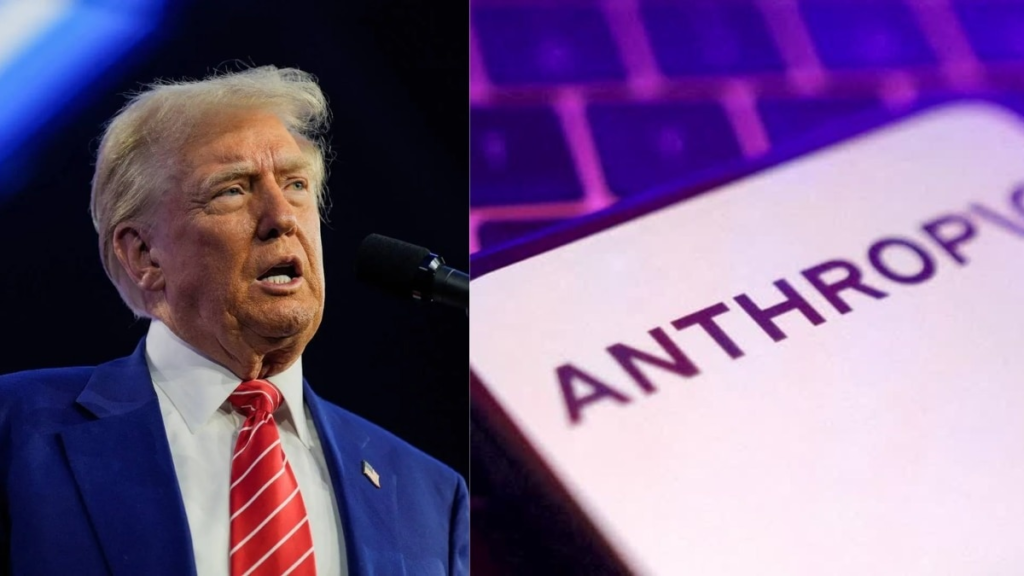
The recent legal tussle between Anthropic and the U.S. Department of Defense (DoD) has thrust the AI landscape into the spotlight, particularly concerning supply-chain evaluations and the implications of governmental interventions in private enterprise. The lawsuit, initiated by Anthropic after being labeled as a “supply-chain risk,” highlights a significant rift between AI innovation and governmental oversight. This conflict is underscored by an amicus brief submitted by over 30 employees from leading AI entities such as OpenAI and Google DeepMind, which expresses deep concern regarding the ramifications of this designation not only on Anthropic but also on the broader AI ecosystem.
The core of the employees’ argument centers on the assertion that the DoD’s designation of Anthropic as a supply-chain risk is an arbitrary exercise of power, fundamentally misaligned with the realities of the AI market. The brief contends that such a designation could inhibit critical discussions surrounding the balance of AI risks and benefits while simultaneously stifling U.S. competitiveness in AI innovation. This concern is magnified by the assertion that, should the Pentagon have had grievances regarding Anthropic’s contract, it could have simply terminated the agreement and sought alternative partnerships with other AI providers. Instead, the Pentagon chose to engage with OpenAI, suggesting that governmental dissatisfaction does not necessitate punitive measures against an established firm.
From a strategic business perspective, the situation presents unique insights into the dynamics of contractual relationships within the AI space. The could-have-done option of simply switching providers underscores a vital consideration for SMB leaders and automation specialists: the strength of a company’s relationship with governmental entities and how it can influence long-term strategy. The financial implications of partnerships in the AI sector are multifaceted, encompassing costs associated with lost contracts, potential reputational damage, and the broader impact on innovation trajectories.
The brief also raises critical points about AI governance. It criticizes the perceived lack of robust legal frameworks governing AI and emphasizes the role of internal safety measures implemented by companies. This is particularly pertinent for SMB leaders, as they must navigate a landscape where regulatory clarity is still developing. The absence of strong governmental regulations can place an immense burden on businesses to self-regulate in a space that is continually evolving.
In terms of practical application, businesses may draw parallels between the Anthropic situation and their own experiences with automation platforms. When comparing tools like Make and Zapier, for example, leaders must weigh the strengths and weaknesses of each platform in terms of scalability, ease of use, cost, and ROI. Both platforms offer automation capabilities that streamline processes, yet they differ regarding pricing structures, the complexity of workflows, and available integrations with other tools, which can dramatically affect an SMB’s operational efficiency.
Make excels in customization capabilities, allowing users to create intricate workflows that can accommodate a variety of business needs. However, this flexibility often comes at a steeper learning curve and potentially higher initial costs. In contrast, Zapier offers a more user-friendly interface that simplifies the setup process, which may be more appealing for smaller organizations or those new to automation. This ease of use can expedite ROI, especially for companies lacking extensive technical expertise.
Ultimately, leaders must critically assess their organizational requirements against the backdrop of these tools’ offerings. The chosen platform’s cost will also have implications for scalability. As organizations grow, their automation needs may evolve, necessitating a platform that can effortlessly adapt to increased complexity without unduly inflating costs.
In conclusion, the emerging situation surrounding Anthropic highlights fundamental tensions between technological innovation and regulatory oversight. As SMB leaders navigate these waters, it is essential to consider not just current partnerships and contractual obligations but also the broader implications of these relationships. The engagement with government agencies and the ensuing litigation could serve as a cautionary tale regarding the fragility of trust and the potential ramifications of perceived risks.
FlowMind AI Insight: In navigating the complexities of AI partnerships and regulatory landscapes, SMB leaders must prioritize adaptability. By cultivating robust relationships with technology providers while remaining vigilant to evolving market dynamics, businesses can harness the full potential of AI and automation, driving sustainable growth and innovation.
Original article: Read here
2026-03-10 06:00:00