
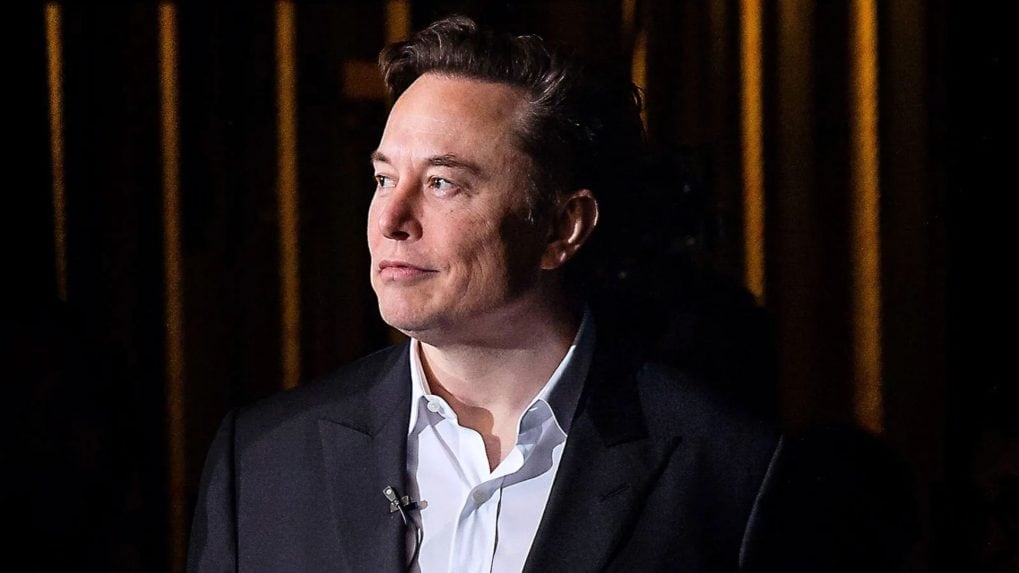
Elon Musk’s recent roadmap for xAI indicates a vigorous strategy aimed at establishing the company as a formidable contender in the rapidly evolving artificial intelligence landscape. By the end of 2026, Musk intends for xAI to reach parity with established players such as OpenAI, Google, and Anthropic. This ambition is not merely aspirational; Musk forecasts that within three years, xAI will significantly outpace its competitors to such a degree that they will be relegated to an indistinguishable second place—an assertion he metaphorically likened to needing the James Webb Space Telescope to discern their status.
Such bold predictions emerge in the context of substantial organizational changes within xAI. Recently, the company underwent a significant restructuring, marked by layoffs and leadership shifts. This realignment resulted in a dramatic departure from the founding team, leaving only two of the original eleven co-founders. Musk admits that the initial structure of xAI lacked the necessary framework to facilitate optimal performance and is now being redesigned to better align with its competitive aspirations.
The AI sector has become increasingly saturated, with key competitors rapidly advancing their offerings. Last year, xAI’s Grok models demonstrated promising performance, achieving notable benchmarks. However, subsequent updates from rivals have since reclaimed competitive advantages. For instance, Google’s latest iterations of its Gemini models and advancements from OpenAI have showcased robust improvements, while Anthropic’s Claude has carved out significant favor among developers, especially in coding applications.
In this competitive climate, Musk’s intensified involvement in hiring indicates a strategic pivot aimed at bolstering xAI’s capabilities. This hands-on approach to talent acquisition, where Musk personally reviews candidate applications, reflects an acute awareness of the need for exceptional engineering talent in AI research and development. There is a particular emphasis on enhancing Grok’s coding capabilities, as current performance metrics indicate that it is lagging behind some competing solutions.
Furthermore, to address their ambitious goals, Musk has initiated closer collaboration between xAI and SpaceX. This partnership is aimed at tackling the complex challenges associated with meeting the considerable computing, energy, and cooling demands essential for training advanced AI models. Such strategic alignments may yield efficiency gains that enhance the operational viability of xAI’s technological initiatives, positioning the company to leverage resources effectively.
While examples such as Make and Zapier illustrate essential tools in automation, the critical analysis of AI platforms reveals important nuances. Comparing OpenAI and Anthropic, for instance, underscores varying strengths. OpenAI’s GPT model boasts a versatile application across diverse industries, offering robust natural language processing capabilities that can drive innovation. Conversely, Anthropic’s models have gained traction due to their specialized focus on ethical AI, providing distinct advantages for organizations prioritizing responsible usage and compliance.
The cost structure associated with these platforms also warrants consideration. OpenAI adopts a subscription model that can scale according to utilization, which appeals to a wide range of SMBs seeking flexibility. In contrast, Anthropic’s pricing may be more suited for enterprises prioritizing specialized applications over broad utility, which could entail higher initial investments but potentially deliver superior ROI on targeted use cases.
Assessing these platforms’ scalability, both OpenAI and Anthropic demonstrate significant capabilities, but the appropriate choice often hinges on an organization’s specific needs. SMB leaders must evaluate the alignment of their strategic objectives with each platform’s strengths. Tools like Make and Zapier simplify integrations and automate workflows effectively but can falter when advanced capabilities or scalability into more sophisticated AI-driven processes are required.
As Musk’s xAI carves its niche, the volatile AI market landscape challenges established norms of competition. Each company’s roadmap is marked by continuous evolution, demanding agility and foresight from stakeholders. The interplay of innovation, ethical considerations, and infrastructural adaptation will ultimately determine the leading edge of these AI and automation platforms.
FlowMind AI Insight: As the AI landscape undergoes rapid transformation, organizations must prioritize strategic alignment when selecting platforms. Continuous evaluation of strengths, weaknesses, and opportunities in AI capabilities will equip SMBs to navigate competition and harness true operational automation effectively.
Original article: Read here
2026-03-16 09:35:00