
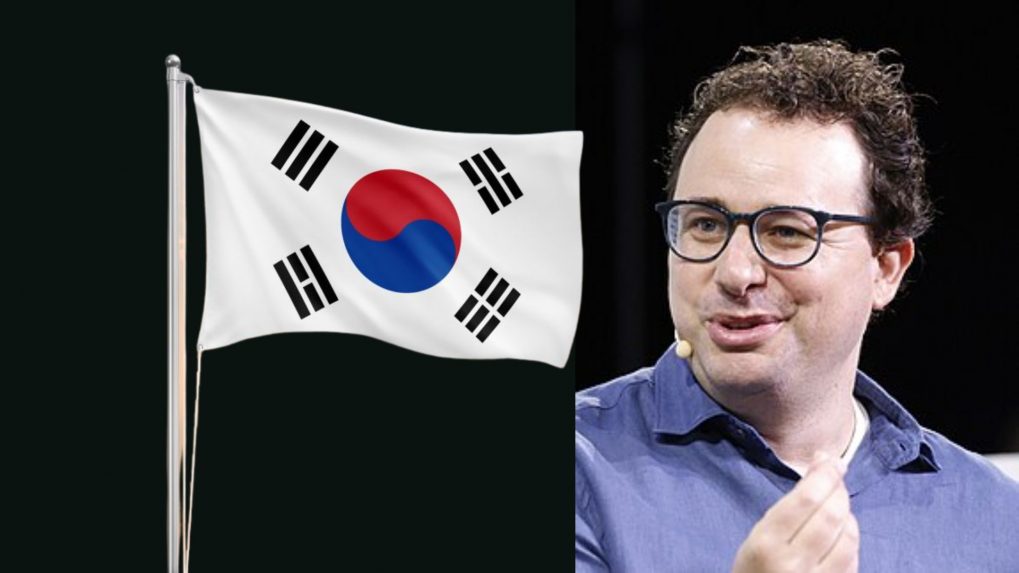
South Korea has embarked on preliminary discussions with Anthropic, the developer behind the Claude AI models, as part of a broader strategy to engage with global artificial intelligence (AI) companies. The Ministry of Science and ICT announced that these talks are currently in their infancy, with no formal agreement in place. The initial dialogue between Bae Kyung-hoon, a senior South Korean official, and Dario Amodei of Anthropic took place during an artificial intelligence summit in India earlier this year. Key topics included advancements in AI technology, industry trends, and collaborative opportunities. However, officials indicate that these discussions have not yet reached the point of establishing a memorandum of understanding or a specific partnership framework.
As South Korea’s interest in global AI alliances grows, it reflects a pivotal moment for Anthropic, which is garnering increasing traction among governments and enterprises across the globe. The Claude models have gained immense popularity, particularly for applications that enhance workflow automation and offer coding assistance. Recently, Anthropic has made substantial commitments to bolster its presence in South Korea, including hiring efforts in Seoul and plans to establish a local office aimed at fostering enterprise partnerships once a country manager is appointed.
In terms of AI adoption, South Korea is considered a significant player on the international stage. According to Anthropic’s 2026 Economic Index, the country ranks seventh among 116 nations regarding Claude usage intensity, a metric that factors in the working-age population to discern relative adoption levels. The potential partnership with Anthropic represents a strategic diversification of Seoul’s existing collaborations, which have largely been focused on domestic AI initiatives and earlier partnerships like that with OpenAI, cemented through a memoranda of understanding in October 2025.
In analyzing the competitive landscape, it’s vital to evaluate platforms such as OpenAI and Anthropic, particularly in terms of their strengths, weaknesses, costs, ROI, and scalability. OpenAI has positioned itself as a leader in generative AI, offering rich capabilities for a variety of applications—from text generation to sophisticated coding support. One of OpenAI’s key advantages lies in its market maturity and broad user base, which fosters a robust ecosystem of integrations.
On the other hand, Anthropic, while newer in the market, emphasizes AI safety and ethical considerations. This focus has gained attention, particularly among enterprises concerned with regulatory compliance and ethical AI use, which enhances its appeal in sectors like healthcare and finance, where such factors are paramount. In terms of costs, OpenAI typically operates on a subscription model with tiered pricing based on usage, while Anthropic’s pricing strategy remains more flexible, allowing companies to tailor the deployment of their AI models based on specific needs and project scopes.
ROI is another critical area of comparison. OpenAI’s models have been shown to deliver significant productivity improvements, particularly in content creation and code automation, which can yield immediate financial benefits. However, for enterprises concerned with the ethical implications of AI deployment, investing in Anthropic’s solutions may provide longer-term benefits, including brand trust and compliance with emerging regulations.
Scalability is also a vital factor. OpenAI has proven scalability through extensive partnerships, including with platforms like Microsoft, which has integrated its AI capabilities into products like Azure. In contrast, Anthropic is building its scalability by focusing strategically on key partnerships, such as the potential collaboration with South Korea, which could unlock new markets and applications.
The South Korean government’s approach to AI underscores the significance of not only boosting domestic capabilities but also fostering global partnerships. This dual focus aims to ensure that the nation remains at the forefront of AI innovation. The collaboration with Anthropic could potentially enhance public-service applications of AI, encompassing safety research and regulatory frameworks that could garner public trust and further stimulate adoption.
In conclusion, as South Korea seeks to position itself as a leader in AI, the engagement with companies like Anthropic presents a valuable opportunity to diversify its technology partnerships while addressing challenges related to ethical AI use and compliance. For business leaders and automation specialists within small- to medium-sized businesses, understanding the comparative advantages and strategic implications of engaging with different AI platforms is crucial. A balanced approach that weighs immediate return on investment against long-term brand implications will likely yield the most sustainable results.
FlowMind AI Insight: As global AI engagement deepens, companies must not only assess the technical capabilities of different platforms but also their alignment with ethical standards and regulatory requirements. Strategic partnerships can serve as a catalyst for growth, innovation, and competitive advantage in an increasingly complex landscape.
Original article: Read here
2026-03-16 07:44:00