
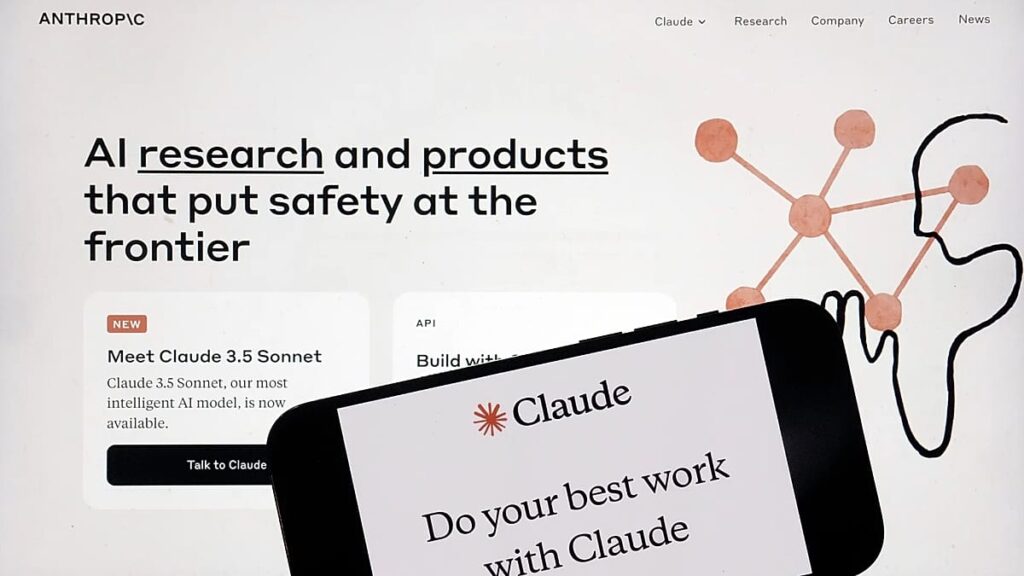
In recent years, the rapid proliferation of artificial intelligence (AI) technologies has created a paradox of immense potential benefits alongside substantial risks. The recent decision by Anthropic and OpenAI to seek weapons and explosives experts indicates a critical recognition in the industry regarding the potential misuse of AI methodologies. As these firms bolster their hiring practices to mitigate risks, it presents an opportunity for leaders in small- to mid-sized businesses (SMBs) and automation specialists to reflect on their own use of AI platforms, particularly in commercial settings.
When comparing AI and automation platforms, it becomes beneficial to analyze tools like OpenAI’s models and Anthropic’s Claude chatbot through various lenses—including strengths, weaknesses, costs, return on investment (ROI), and scalability. Both organizations present unique attributes that cater to different business needs.
OpenAI boasts robust language models with a wide range of applications. The strengths of the OpenAI platform lie in its adaptability and efficiency in handling complex natural language processing tasks. Companies leveraging OpenAI can streamline customer service, content creation, and data analytics, which can ultimately lead to significant labor cost savings. However, the potential weakness can be attributed to its extensive resource requirements for fine-tuning and deployment, which may not be feasible for all SMBs. Addressing these challenges often involves higher upfront costs, including investment in both infrastructure and ongoing maintenance.
On the other hand, Anthropic’s Claude emphasizes ethical AI usage, particularly aimed at safety and compliance. By actively seeking experts in risk management, the company showcases a commitment to responsible AI deployment. This focus can translate into trust and reliability for businesses concerned about regulatory compliance and risk mitigation. Clauses against mass surveillance and autonomous weapons, as indicated by the company’s recent dealings with government departments, serve to reinforce Anthropic’s position as a conscientious player in the AI landscape. While this ethical stance is appealing, it may limit the capabilities and use cases that Anthropic is willing to entertain compared to OpenAI’s more open-ended approaches.
When comparing costs, both platforms require significant investment but differ in price structures. OpenAI generally operates on a pay-as-you-go model, which could benefit businesses seeking flexibility, whereas Anthropic may involve more predictable subscription costs that could suit companies preferring budget certainty. However, decision-makers at SMBs must carefully evaluate potential ROI against these cost structures. The successful integration of either platform will depend on the strategic alignment with business objectives—particularly in cost savings, operational efficiency, and enhanced decision-making processes.
Scalability remains a critical factor for SMBs, especially as firms aim to leverage technology to handle growing demands. OpenAI’s tools have been shown to scale efficiently across multiple use cases due to their extensive training on diverse datasets. This scalability makes OpenAI attractive for businesses anticipating rapid growth or that need to pivot quickly. However, provided the focus on accountability, Anthropic’s architecture could be better suited for businesses prioritizing ethics and compliance over a broad spectrum of functionalities.
In terms of practical recommendations, business leaders should conduct thorough assessments of operational needs and objectives before selecting an AI provider. Use case definition and clarity in how the technology could be employed are paramount. For businesses focused on innovative applications of AI, OpenAI may provide the necessary breadth and flexibility. Conversely, for those prioritizing ethical compliance and risk mitigation, especially in sensitive sectors, Anthropic’s approach may prove more advantageous.
Companies should also keep an eye on industry trends, as seen with the recent hiring initiatives in response to regulatory and ethical concerns. Understanding the evolving nature of AI can help SMBs remain agile and responsive in their strategic planning. Having insight into how these technological shifts impact workforce training and compliance will be equally critical as businesses navigate this innovative but complex landscape.
FlowMind AI Insight: The emerging focus on AI ethics and risk management highlights the necessity for businesses to align their technological investments with their operational values. Moving forward, companies that prioritize ethical AI deployment alongside efficiency and scalability will likely see a competitive advantage in a rapidly changing business environment.
Original article: Read here
2026-03-18 12:32:00