
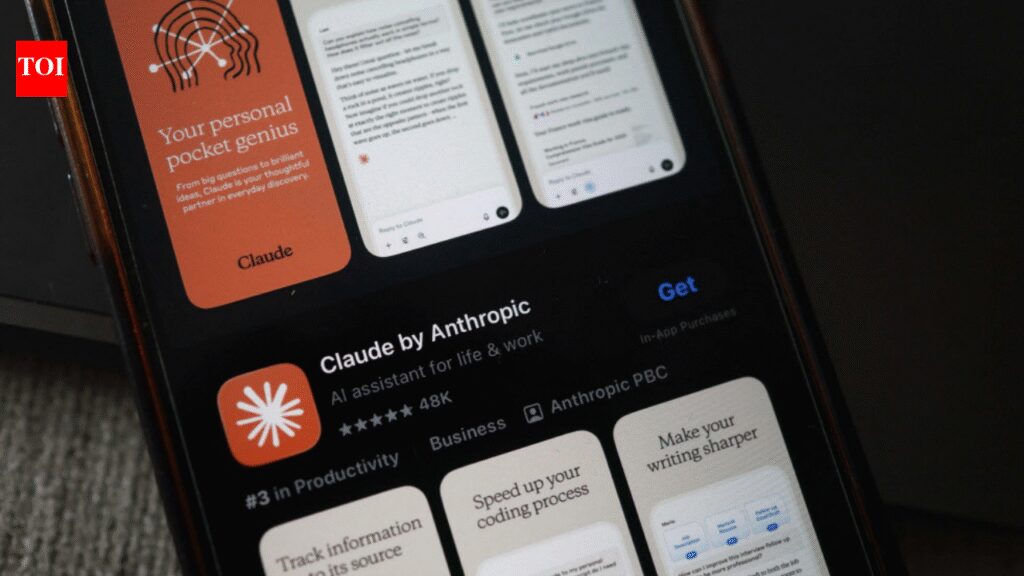
As the field of artificial intelligence matures, the competition among leading companies continues to intensify. This dynamic landscape has recently been illustrated by the contrasting trajectories of OpenAI and Anthropic, particularly surrounding the heated dispute involving the Pentagon. As OpenAI forges partnerships with military entities, Anthropic’s Claude has emerged as a formidable alternative, capturing significant market share and consumer attention. The success of Claude amid this rivalry presents an opportunity for small to medium-sized business leaders and automation specialists to evaluate the strengths and weaknesses of these AI platforms.
Anthropic has crossed a crucial threshold. Following reports of escalating tensions with the U.S. military regarding the use of its AI technology, Claude has seen substantial growth in paid subscriptions, more than doubling in a span of months. This shift coincides with a decisive moment when the company delineated its ethical boundaries, refusing to allow its technology to be used for autonomous weapons or mass surveillance. Such a firm stance resonates with a growing consumer base concerned about responsible AI usage, ultimately propelling Claude’s market position amidst the backdrop of OpenAI’s expansive contracts.
In navigating the competitive landscape of AI platforms, it is essential to consider the features that each offers. Claude’s AI capabilities center on user-friendly functionality that prioritizes ethical considerations, setting it apart from the broader strategies of competitors like OpenAI. While OpenAI has benefitted from its established reputation and resources, the introduction of ads in its ChatGPT model has sparked dissatisfaction among existing users, leading to marketing backlashes and a decline in brand trust. Anthropic’s decision to forego advertisements in favor of maintaining a seamless user experience has appealed to consumers, particularly those transitioning from OpenAI.
A critical aspect to consider when evaluating these platforms involves cost effectiveness and return on investment (ROI). OpenAI offers tiered subscription models which, while tiered and scalable, effectively introduce variations that may complicate budget management for SMBs. In contrast, Claude presents a straightforward pricing structure that is conducive to rapid scaling without the hidden costs associated with advertisements or additional features. In today’s economic climate, where every dollar counts, the potential for Claude to deliver a higher ROI through consistent user satisfaction cannot be understated.
When it comes to scalability, both platforms have designed their AI tools to support businesses looking to automate operations efficiently. OpenAI has garnered a significant market presence, with partnerships across various sectors that bolster its case for sustained scalability. However, the potential pitfalls of brand dilution through negative publicity pose risks that could hinder its ability to grow seamlessly. Anthropic, on the other hand, is still navigating the waters of market presence but has carved out an ethical blueprint aimed at long-term trust-building and consumer loyalty. The focus on ethical AI signifies a holistic approach to scalability, aligning with the expectations of socially conscious consumers.
In terms of tool capabilities, automation solutions like Make and Zapier also warrant comparison in this evolving landscape. While Make is lauded for its powerful integrations and user-friendliness, Zapier typically boasts a wider array of pre-built automations and integrations that can be less technical for the end-user. Thus, businesses must consider their specific automation needs while weighing the complementary functionalities of these tools. As AI technologies increasingly penetrate various operations, the agility of middleware platforms becomes pivotal in maximizing productivity and achieving seamless integration.
Data-driven analysis underscores the importance of understanding the landscape not just in terms of individual platforms, but also in terms of the broader implications for workplace automation and AI deployment. The trending shift towards ethical AI practices is reshaping consumer expectations and behavior, directing attention to how platforms like Claude effectively engage with concerns over privacy and ethical governance.
In conclusion, the unfolding narrative between OpenAI and Anthropic offers compelling lessons for leaders in SMBs and automation specialists. The commendable growth of Claude amid the military controversy signifies an opportunity to reassess the implications of ethical positioning in technology. As the market landscape is not only shaped by capabilities but also shaped by public perception, it is critical for business leaders to be mindful of the ethical ramifications of the technologies they adopt. Considering this dynamic, businesses stand to benefit from aligning their operational strategies with AI solutions that prioritize responsible use and sustainable scalability.
FlowMind AI Insight: In an age where ethical considerations intersect with technological advancement, understanding the implications of AI platform choices can define competitive edge. The experience of Anthropic illustrates the unique advantage gained through adherence to ethical standards, paving the way for sustainably growing consumer trust and robust market positioning.
Original article: Read here
2026-03-30 10:24:00