
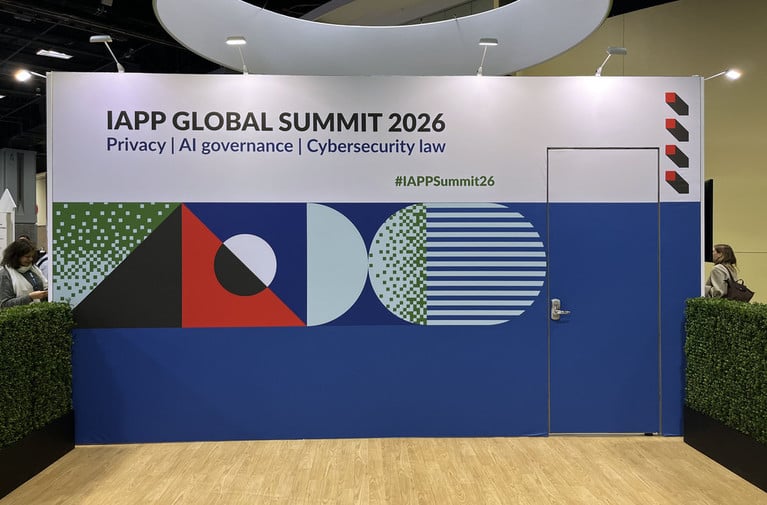
The ongoing tension between privacy and safety in generative artificial intelligence (AI) raises critical concerns for SMB leaders and automation specialists. Recent discussions, particularly a session titled “ChatGPT, Claude, North: 3 LLM Developers and Key Perspectives on AI and Privacy,” highlighted this issue effectively. The panel comprised in-house attorneys from leading generative AI developers who underscored that any resolution to the privacy-safety dichotomy remains partial and tentative. This observation is vital for decision-makers charged with evaluating AI platforms that enhance operational efficiency while meeting regulatory compliance and ethical standards.
When considering AI and automation platforms, two important contenders arise in the landscape: OpenAI and Anthropic. OpenAI has established itself as a frontrunner with its ChatGPT tool, which caters to a wide range of applications including customer support, content generation, and data analysis. The strengths of ChatGPT lie in its vast dataset, which enables it to understand context and generate coherent responses effectively. Its user interface is intuitive, making it accessible for a variety of users, even those with limited technical knowledge. Furthermore, OpenAI’s investment in safety features—such as content filters—demonstrates a commitment to responsible AI deployment.
Conversely, Anthropic presents a unique value proposition focused on “Constitutional AI,” which emphasizes ethical considerations in AI behavior. Anthropic’s Claude promotes investments in safety and user privacy by incorporating principles that govern how AI interacts with users. This approach could resonate with businesses that prioritize customer trust and compliance with stricter data protection regulations. However, Anthropic’s offerings may lag in certain functionalities and versatility compared to OpenAI’s, potentially limiting its usability across diverse business applications.
From a cost perspective, both platforms exhibit different pricing models. OpenAI’ssubscription options vary depending on usage levels, which can present both predictable expenses and risks of cost escalation for high-frequency users. On the other hand, Anthropic’s pricing is still evolving as its user base grows, presenting an unclear landscape for long-term budgeting. Here, businesses should weigh their projected utilization against the platforms’ financial implications, ensuring they choose a path that aligns not only with immediate needs but also with future scalability.
In terms of ROI, both platforms have shown promise in delivering efficiencies that can translate to increased revenue streams. OpenAI’s platform capabilities facilitate automation in various sectors, potentially leading to reduced operational costs, enhanced customer engagement, and quicker turnaround times. For example, businesses can deploy ChatGPT to handle customer queries, which can significantly decrease the need for human resource allocation in customer service roles. Alternatively, Anthropic’s ethical AI framework can add considerable value for brands focused on reputation management, mitigating risks associated with data breaches or misuse of customer information.
Scalability must also be evaluated when choosing between these platforms. OpenAI has proven scalability, as its models can support multiple concurrent user sessions, making it suitable for medium to large enterprises that anticipate growth. Conversely, Anthropic’s focus on ethical deployment could appeal to businesses starting with stringent privacy frameworks, though they may need to assess whether the current offerings align with their future needs as they scale.
In considering automation tools like Make and Zapier, it is essential to analyze their strengths and weaknesses similarly. Zapier has been a staple in the automation landscape, offering user-friendly integrations across thousands of applications. Its simplicity is often touted as a key feature that allows non-technical users to automate workflows quickly. However, advanced users may find Zapier limiting in terms of customization for more complex operations. Make, on the other hand, introduces more advanced options allowing for intricate scenarios with robust customization. This platform can benefit users looking for highly specialized automation, although this complexity may deter less technical users.
Cost-wise, both platforms present different pricing tiers that cater to various business sizes and needs, but SMB leaders should also factor in the potential ROI from increased automation efficiency. Numerous case studies show that automated workflows can save hours of manual labor, a metric that translates into cost savings and operational efficiency.
The key takeaway for SMB leaders is the necessity of a thorough analysis of the tools that best suit their operational model and growth aspirations. Privacy and safety are critical components throughout the decision-making process. A platform’s ability to align with the needs for compliance and ethical considerations may ultimately influence a brand’s reputation and customer trust. Therefore, organizations must not only focus on immediate functionality and cost but also consider the long-term implications of their chosen solutions.
In conclusion, FlowMind AI recommends that SMB leaders conduct a holistic evaluation of generative AI and automation platforms, encompassing technology capabilities, pricing structures, scalability potential, and privacy considerations. By balancing these dimensions, decision-makers can enhance operational efficiencies while upholding ethical standards and safeguarding customer trust.
FlowMind AI Insight: The landscape of generative AI and automation continues to evolve, highlighting the importance of adaptability in tool selection. By prioritizing ethical considerations alongside operational capabilities, businesses can future-proof their strategies and cultivate stronger customer relationships in an increasingly privacy-conscious market.
Original article: Read here
2026-03-30 19:43:00