
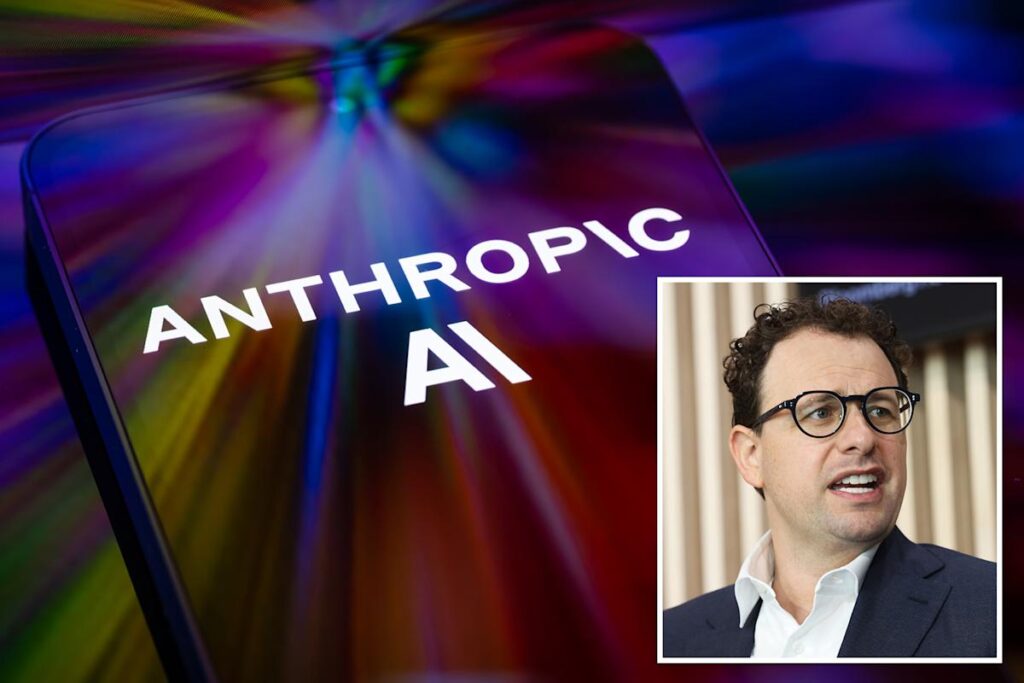
In the rapidly evolving landscape of artificial intelligence and automation platforms, the emergence of AI tools has spurred intense competition among companies such as Anthropic, OpenAI, Zapier, and Make. Each platform offers its unique strengths, weaknesses, and pricing structures, which are crucial for SMB leaders and automation specialists to navigate effectively. A recent incident involving Anthropic highlights the need for careful consideration when selecting AI tools, especially regarding code safety and proprietary information.
Anthropic’s recent leak of internal code for its AI tool, Claude Code, underscores the potential vulnerabilities associated with proprietary systems. This incident not only raises questions about Anthropic’s internal procedures and security measures but also serves as a reminder of the competitive advantages that can arise from having access to a competitor’s technology. Claude Code, designed to assist developers in programming and application development, has gained significant traction in the market. However, the leak means that competitors now have insights into its features, allowing them to potentially replicate or improve upon Anthropic’s innovations.
In terms of strengths, Claude Code stands out due to its advanced capabilities in natural language processing, which facilitates complex coding tasks. Anthropic has positioned itself well within the niche of AI-powered coding assistants, generating significant revenue through subscription models. However, the unexpected exposure of code raises the stakes for customers who value security and reliability. It is essential to recognize that while Claude Code may deliver superior performance, its recent vulnerability could deter prospective clients concerned about the security of their proprietary projects.
In contrast, OpenAI’s offerings, such as GPT-4, have consistently demonstrated robust performance in diverse applications, from coding to customer support. OpenAI has emphasized safety and transparency, which may give it an edge over Anthropic in terms of customer trust. However, OpenAI’s tools can also be costly, potentially limiting access for smaller businesses. The trade-off between price and capability is significant—OpenAI tools often yield higher-quality outputs, yet they come with a steeper pricing structure, which raises questions about return on investment (ROI) for SMBs.
When evaluating automation platforms like Zapier and Make, the focus shifts to usability and integration capabilities. Zapier has gained favor due to its user-friendly interface and extensive library of integrations, making it accessible for businesses without advanced technical expertise. However, this convenience comes at a premium, with pricing tiers that escalate quickly as users require more advanced features. On the other hand, Make offers a more flexible pricing structure and the capability for more complex workflows, appealing to businesses that require intricate automation solutions.
The cost-benefit analysis of utilizing these platforms reveals essential insights for SMB leaders. The initial investment in AI and automation tools should consider not only subscription costs but also the potential ROI. For instance, while OpenAI and Anthropic may deliver high-quality results that justify their costs, the risks associated with proprietary vulnerabilities cannot be overlooked. The recent leak at Anthropic exemplifies the inherent risks of relying on a single provider for business-critical functions.
Furthermore, scalability is a critical factor for SMBs looking to adopt these platforms. As businesses grow, they require solutions that can evolve alongside their needs. Zapier and Make both offer varieties of scalability; however, the extent to which they can support complex, large-scale operations varies. SMB leaders must assess whether a platform can accommodate future expansions and whether its pricing model will remain favorable as usage increases.
In conclusion, the landscape of AI and automation tools is not just about selecting the most advanced technology, but rather finding the right balance between capability, cost, security, and scalability. As illustrated by Anthropic’s recent challenges, no platform is without its risks. Leaders in small and medium-sized businesses must approach these decisions with a comprehensive understanding of their operational needs and the potential implications of adopting specific solutions.
FlowMind AI Insight: The incident involving Anthropic serves as a crucial reminder that while advanced automation tools can deliver significant benefits, the security and reliability of these platforms must be prioritized. SMB leaders should adopt a rigorous evaluation process when implementing AI solutions, balancing innovation with strategy to drive sustainable growth in an increasingly competitive environment.
Original article: Read here
2026-04-01 21:15:00