
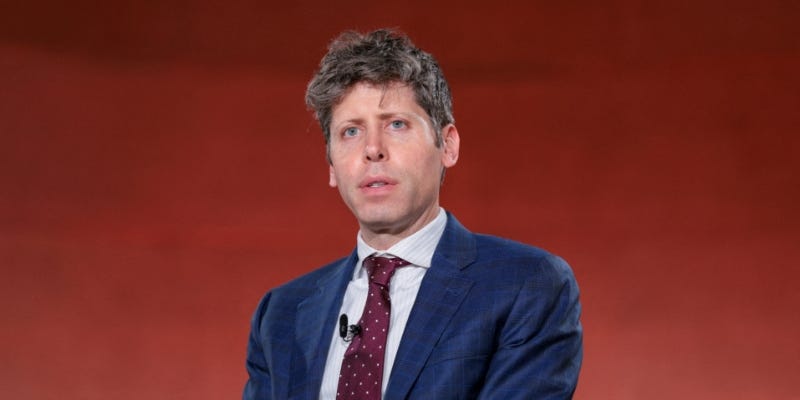
In the rapidly evolving landscape of artificial intelligence, significant discourse has surrounded the collaboration between AI companies and government entities. A notable instance is OpenAI’s recent deal with the Pentagon, which has ignited conversations on the implications of such partnerships. Sam Altman, OpenAI’s CEO, engaged in an in-depth conversation with Laurie Segall, CEO of Mostly Human, where he expressed his evolving views on trust in technology and governance. His reflections offer valuable insights for business leaders and automation specialists navigating this complex interface.
Central to this dialogue is the balance between innovation and ethical considerations. Altman admitted to a miscalibration of public sentiment regarding distrust towards AI deployment in government settings. He pointed out that a vocal segment of the population doubts the government’s ability to responsibly oversee AI technologies. This acknowledgment raises important questions regarding societal trust as a precursor to sustainable AI deployment in national security and infrastructure. Altman’s call for collaboration between AI firms and government highlights the need for a strategic approach to leverage AI for public benefit while addressing ethical concerns.
The Pentagon agreement allows OpenAI’s technology to penetrate classified military networks. This significant move comes amid ongoing debates about the responsibilities of AI systems and their potential misuse in military applications. With protests emerging from various advocacy groups warning against the risks of autonomous weapons and surveillance states, Altman reiterated the importance of establishing boundaries within such agreements. His commitment to ensuring that OpenAI’s technology would not contribute to harmful applications reflects a broader responsibility that AI companies must assume.
For automation specialists and leaders of small to medium-sized businesses (SMBs), the contrasting visions of AI deployment underscore pivotal considerations. Operations that seamlessly integrate automation tools can exhibit variable returns on investment based on implementation and scalability. For instance, platforms like Make and Zapier cater to automation needs but differ in capacities. Make offers a more visual interface, encouraging creativity and experimentation, which may appeal to teams aiming for tailor-made solutions. Conversely, Zapier is often praised for its ease of use and extensive app integrations, making it a robust choice for businesses seeking quick wins in automation.
When evaluating costs, both platforms present their unique advantages and weaknesses. Make’s pricing structure may appeal more to advanced users who can leverage its comprehensive capabilities, while Zapier may offer a more approachable entry point for smaller companies with limited budgets. Understanding these nuances is crucial for long-term ROI. For businesses, evaluating the scalability of these platforms relative to their operational demands will foster informed investment decisions.
Moreover, as Artificial Intelligence firms like OpenAI and Anthropic vie for military and governmental contracts, the competitive landscape further complicates decisions for SMBs on which technology partners to engage with. While both companies exhibit cutting-edge innovations, their alignment with governmental oversight will significantly influence their market perception. Altman’s belief that governments should play a dominant role in AI oversight may shift how these tech firms structure partnerships with other industries, particularly in automation contexts.
Just as significant as the analysis of current AI platforms is the underlying trend towards questioning who should dictate the terms of AI expansion. Altman’s assertion that governments must take a frontline role in AI governance poses implications that should be reflected in business strategies. Stakeholders must take a proactive stance, aligning operational frameworks with governance models that promote ethical use and societal value.
Therefore, companies must not merely adopt technologies based on current trends but must engage in a comprehensive assessment of the governance landscape surrounding them. The call for regulatory frameworks resonates deeply in an era where trust is paramount. Ethical deployment will attract customers who prioritize societal implications alongside functional benefits.
In conclusion, the intersection of AI with governmental partnerships offers both opportunities and challenges that leaders of SMBs and automation specialists must carefully navigate. Engaging with these emerging technologies and understanding the dynamics between trust, governance, and ethical considerations will enable businesses to position themselves strategically within a rapidly evolving marketplace. Technology selection should not rest solely on functional merits but must also encompass a broader socio-political context, thereby projecting an image of responsibility and foresight.
FlowMind AI Insight: The evolving dynamics between AI companies and government entities underscore the necessity for business leaders to align technology adoption with ethical considerations and robust governance frameworks. Embracing this dual focus will not only improve operational efficiency but also enhance trust and long-term sustainability in a competitive landscape.
Original article: Read here
2026-04-02 13:06:00