
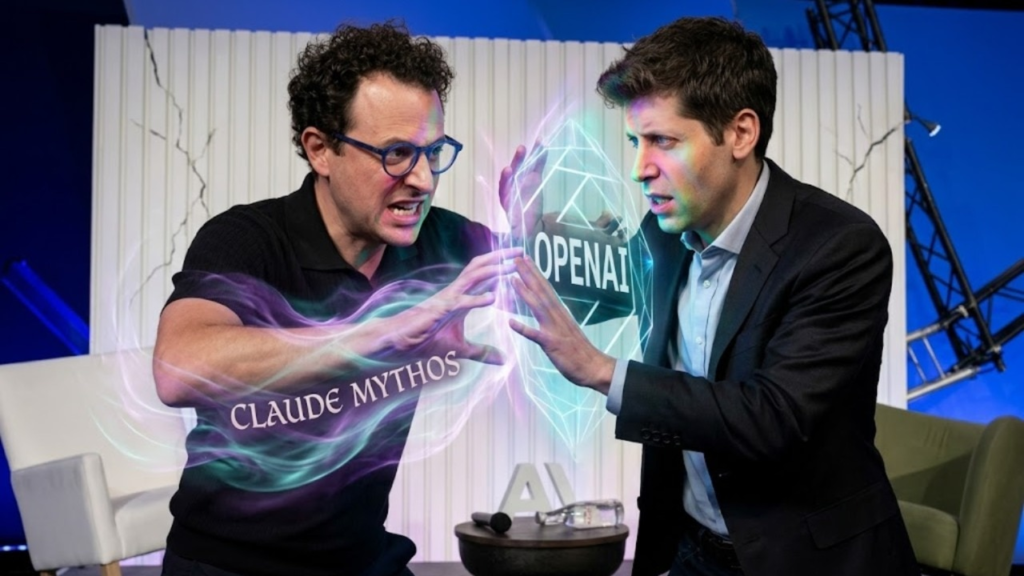
The recent developments in advanced AI models capable of addressing cybersecurity threats are reshaping the landscape for small and medium-sized businesses (SMBs) in unprecedented ways. The announcement by Anthropic regarding its new AI model, Claude Mythos, underscored the potential for AI to identify vulnerabilities that human experts may overlook. Claude Mythos has been heralded not just for its sophistication but for its decision to restrict public access, directing collaborations with major tech companies like Amazon and Microsoft to systematically address the cybersecurity flaws it identifies. This decision points towards an emerging trend among leading AI firms that emphasizes responsible deployment alongside organizational collaboration.
In parallel, OpenAI’s potential pursuits in this domain raise critical discussion points. An Axios report has suggested that the firm is working on a model with advanced cybersecurity applications, possibly under the codename Spud. This follows hints from OpenAI President Greg Brockman about the model’s extensive two-year research and its implications toward achieving artificial general intelligence (AGI). While the firm has not confirmed if this model is indeed Spud, the teases from key personnel, including Codex head Thibault Sottiaux, suggest that the model could rival or exceed the capabilities of Claude Mythos.
The implications of these developments for SMB leaders and automation specialists are substantial. Both Anthropic’s and OpenAI’s approaches to limited rollouts highlight a growing concern about the potential misuse of such powerful AI technologies. The caution exercised by these companies indicates a recognition of the profound responsibilities that come with creating tools capable of hacking systems or discovering weaknesses in complex software. For SMBs contemplating investments in such technologies, it is crucial to consider the strengths and weaknesses of these platforms.
From a capabilities standpoint, the Judicious use of Claude Mythos may offer a rigorous detection system, identifying thousands of vulnerabilities that traditional methods might miss. However, the decision to work privately with select larger firms raises questions about the accessibility of such vital tools for smaller businesses. Conversely, OpenAI’s approach indicates a flexible strategy where a select group of companies receive access to powerful models, effectively creating a gated environment for advanced cybersecurity work. This staggered release strategy might allow responsible deployment while refining the technology through practical application.
When it comes to costs, both Anthropic and OpenAI are likely to adopt a premium pricing structure that reflects the sophistication and potential value of their models. SMBs need a detailed cost-benefit analysis to ensure that investments align with expected returns. Factors to consider include not only the model’s direct costs but also the secondary investment in training staff for effective implementation and monitoring. This initiative also entails a commitment to maintaining compliance with cybersecurity regulations, which can vary significantly based on the type of customer data these organizations handle.
The scalability of these AI platforms is another key consideration. While Anthropic collaborates with colossal tech firms, their approach may restrict scalability for smaller entities that cannot afford an invitation or establish partnerships. OpenAI’s pilot program, “Trusted Access for Cyber,” offers a semblance of hope for narrower usage; however, access is limited to invite-only organizations, meaning that broader scalability may take additional time to materialize, thereby delaying access for a majority of SMBs.
For businesses contemplating integration with either platform, the expected Return on Investment (ROI) must also factor into strategic decision-making. Investing in proactive cybersecurity measures through these AI models can substantially mitigate the risks associated with data breaches, which may otherwise result in significant financial loss and reputational damage. The question remains—how soon will this technology be available for general use, and what implications will that have for businesses that may feel pressured to act quickly?
This transition into AI-powered cybersecurity signifies not just a technological shift but also a paradigm change in how organizations view risk and investment in technological infrastructure. Striking a balance between agile responsiveness to threats and prudent management of the capabilities of advanced AI will be the challenge for SMBs. Companies must prepare for a future in which collaboration, rather than competition, in AI deployment is increasingly seen as an intelligent strategy.
FlowMind AI Insight: As AI technologies continue to evolve, SMBs should remain vigilant about the emerging capabilities while focusing on collaborative strategies. Leveraging partnerships with tech giants may accelerate the access to advanced tools, but it will require careful navigation of costs, scalability, and ethical implications to foster sustainable growth amidst increasing digital threats.
Original article: Read here
2026-04-09 10:28:00