
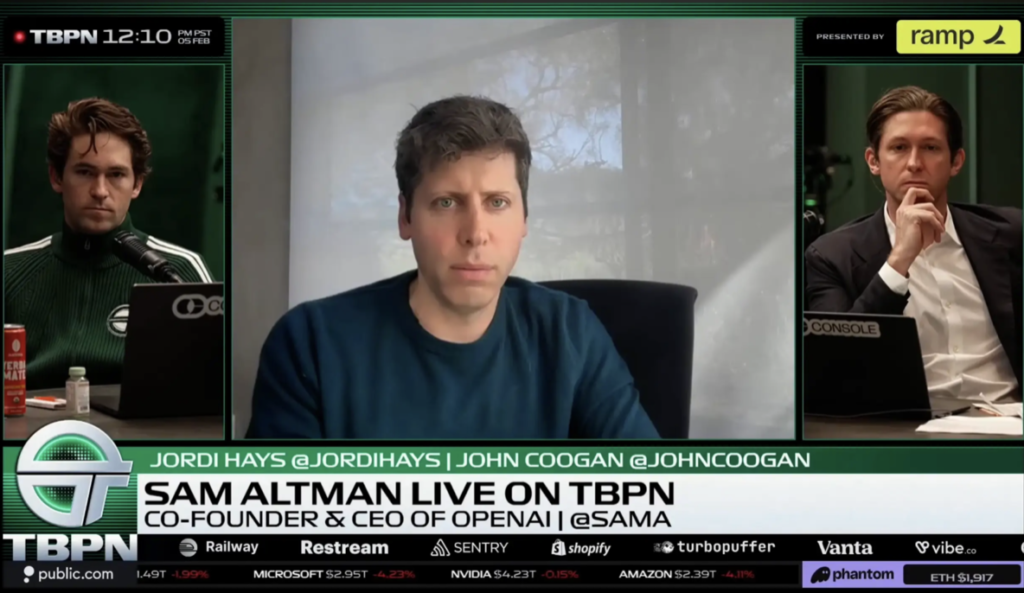
In the rapidly evolving landscape of artificial intelligence (AI) and automation, companies are constantly vying for a competitive edge. The recent developments surrounding OpenAI and its acquisition of the media startup TBPN exemplify the high-stakes maneuvering within the sector. As OpenAI looks to enhance its market position ahead of a potential IPO, it is attempting to connect more directly with consumers through innovative channels. However, this strategy raises important questions regarding the sustainability of such moves and their implications for SMB leaders and automation specialists.
When comparing AI and automation platforms, it is critical to evaluate their strengths, weaknesses, costs, ROI, and scalability. For instance, two prominent tools in the automation space are Make and Zapier. Both platforms aim to simplify workflow automation, yet they cater to different user needs. Make offers a more visually dynamic interface and greater customization options through its flowchart-style approach. It’s particularly beneficial for in-depth workflows that require multiple steps or integrations. However, this complexity may deter users looking for simple, straightforward solutions.
On the other hand, Zapier wins on user-friendliness and widespread integrations, boasting over 5,000 app connections. For SMBs with straightforward automation needs, Zapier’s intuitive platform allows for rapid deployment of workflows without extensive training. Nevertheless, the trade-off lies in its limitations regarding customization and flexibility, which can hinder users with advanced automation requirements. Analyzing the costs, Zapier follows a subscription model that varies by the number of tasks, whereas Make allows users to pay based on the operations executed, potentially offering better scalability for growing businesses.
Additionally, the ROI on these platforms should not be overlooked. Businesses that implement automation tools typically see improvements in operational efficiency, leading to cost savings. For example, studies indicate that organizations adopting automation can expect a 40% to 70% reduction in time spent on repetitive tasks. In practical terms, this translates to reallocating human resources to higher-value endeavors, ultimately driving revenue growth. Therefore, businesses must conduct a thorough assessment of not only their current workflow but also the projected scalability of the chosen platform based on anticipated growth.
Bringing AI into the equation further complicates the decision-making process, especially with emerging players like Anthropic pressing hard against OpenAI’s established position. While OpenAI has been front and center in the AI conversation with its flagship products, Anthropic has made significant inroads by emphasizing alignment and safety in AI systems. Understanding the distinctions between offerings, particularly the nature of output quality, security assurances, and ongoing support, is paramount. For SMB leaders contemplating a switch or an initial investment, it’s essential to scrutinize not just the technology but also the ethos of the companies producing them.
OpenAI’s foray into media with TBPN illustrates a broader trend where tech firms seek consumer engagement through unconventional channels. While the authenticity cultivated by TBPN can appeal to a younger demographic already immersed in AI, it is uncertain whether this gambit will translate into broader acceptance of OpenAI’s products. Furthermore, the character of TBPN, described as overly optimistic and promotional, can risk alienating skeptical audiences who desire a balanced perspective on technology. This highlights a critical aspect for businesses: the narrative surrounding AI tools can significantly affect their adoption rates. Ensuring that marketing does not oversell capabilities while being transparent about limitations will ultimately foster trust and long-term loyalty.
The varying strategies of OpenAI and Anthropic also present a valuable lesson in brand positioning. OpenAI’s pivot may attract attention, but the effectiveness of such a strategy depends heavily on aligning corporate goals with consumer needs. In contrast, Anthropic’s focus on responsible and safe AI development resonates well in a landscape increasingly concerned about ethical implications. For SMBs exploring these two giants, an analysis of their mission statements, public perception, and customer reviews can provide crucial insights into which aligns better with their operational philosophies and ethical standards.
As the market continues to mature, leaders must be nimble, leveraging the data at their disposal to forecast their automation journey. Clear takeaways include the necessity for robust cost-benefit analyses tailored to business requirements and risk assessments that encompass not only technological but also societal ramifications. For automation specialists, diversifying the toolkit with platforms like Make and Zapier, in conjunction with evaluating leading AI options from both OpenAI and Anthropic, can yield significant advantages. The agility offered by these tools, coupled with a mindful approach to increase consumer engagement, will shape the strategic landscape of AI and automation moving forward.
FlowMind AI Insight: The confluence of automation and AI platforms is not merely about technological capabilities but also narratives that resonate with modern consumers. By prioritizing authenticity and transparent communication, SMBs can leverage AI advancements while fostering trust and loyalty within their customer bases, ultimately setting the stage for sustainable growth in a competitive landscape.
Original article: Read here
2026-04-22 00:49:00