
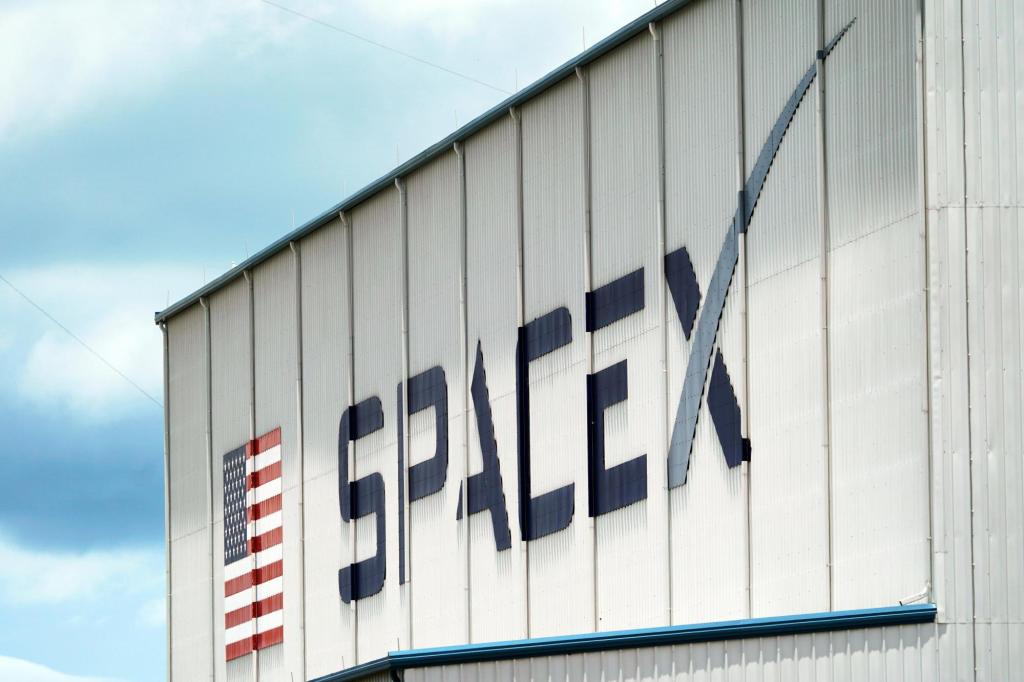
In recent developments within the artificial intelligence landscape, SpaceX has announced its intention to acquire the AI coding tool Cursor for a potential $60 billion. This move aims to fortify SpaceX’s capabilities as it ventures into the competitive world of AI, where rivals like Anthropic and OpenAI already hold significant positions. The partnership with Cursor is seen as a strategic imperative for SpaceX, particularly ahead of its planned Wall Street debut. This article will analyze the strengths, weaknesses, costs, ROI, and scalability of Cursor in comparison with similar AI and automation platforms such as OpenAI’s Codex and Anthropic’s Claude Code.
Cursor, developed by Anysphere in San Francisco, has made a name for itself as an innovative AI coding assistant since its inception in 2022. Its ability to engage with expert software engineers distinguishes it as a significant player in a crowded marketplace. The platform promotes a “vibe coding” approach, which some experts argue could change how coding is perceived and executed, making programming tasks more intuitive. By leveraging large language models, Cursor can facilitate problem-solving tasks in a more creative and fluid manner than traditional coding solutions.
In comparison, OpenAI’s Codex has the backing of one of the most widely recognized AI research laboratories. OpenAI is known for its robust models, including the GPT series, making Codex an appealing choice for software developers seeking efficiency. Codex excels at understanding natural language queries and converting them into functional code snippets. However, while Codex is powerful, the costs involved are significant, as access to OpenAI’s API can accumulate high expenses depending on usage levels, particularly for small to medium-sized businesses (SMBs).
Anthropic’s Claude Code represents another formidable rival in the AI coding assistant market. Claude focuses on ethical AI development and interpretable models, which resonates with companies prioritizing compliance and ethical considerations. Claude Code, although promising, faces scalability challenges due to its newer architecture; this may limit performance in high-demand scenarios compared to established players like Cursor and Codex. Cost-effectiveness remains a concern for SMBs since individualized setups and personalized models may require substantial financial investments upfront.
In examining the costs associated with these platforms—Cursor, Codex, and Claude Code—it is essential to recognize that while initial licensing fees can be high, they can yield significant returns when considering enhanced productivity. Business decisions often hinge on the return on investment (ROI) associated with software deployments. For instance, Cursor’s offering is touted to streamline certain coding processes, enabling teams to focus on more strategic endeavors. If the enhanced output leads to accelerated project timelines and reduced failure rates, the long-term ROI can surpass initial expenditures.
Another aspect that differentiates these platforms is their scalability. Cursor’s partnership with SpaceX subsidiary xAI and access to the Colossus data center complex arguably equip it with superior scalability compared to Codex and Claude Code. This partnership is set to circumvent compute bottlenecks that have historically hampered AI’s growth. By utilizing advanced infrastructural support, Cursor intends to elevate its model intelligence, thus broadening its appeal across various sectors and business sizes. Conversely, OpenAI and Anthropic will need to invest continuously in infrastructure to keep pace with rising demand and model improvements.
While methodologies differ, all three platforms present unique strengths and weaknesses to consider for SMB leaders and automation specialists. Cursor’s innovative approach and growing infrastructure make it a formidable choice for businesses looking to enhance coding efficiency without extensive upfront capital. OpenAI’s Codex delivers a higher performance benchmark but may come with a heavier price tag. In contrast, Anthropic’s Claude offers ethical advantages but may lack the operational maturity of its rivals.
In conclusion, SMB leaders and automation specialists should employ comprehensive cost-benefit analyses when selecting AI coding assistants. While acquisition costs are an immediate concern, potential productivity gains and long-term scalability factors should play a critical role in the decision-making process. It is advisable to run pilot programs with multiple AI tools to gather data on performance metrics, resource utilization, and user satisfaction before committing to one platform long-term.
FlowMind AI Insight: As organizations navigate an increasingly complex AI landscape, making informed decisions based on comparative advantages and quantitative data will be crucial. The right tool can optimize coding workflows and significantly enhance operational efficiency, ultimately contributing to smarter business decisions.
Original article: Read here
2026-04-22 16:03:00