
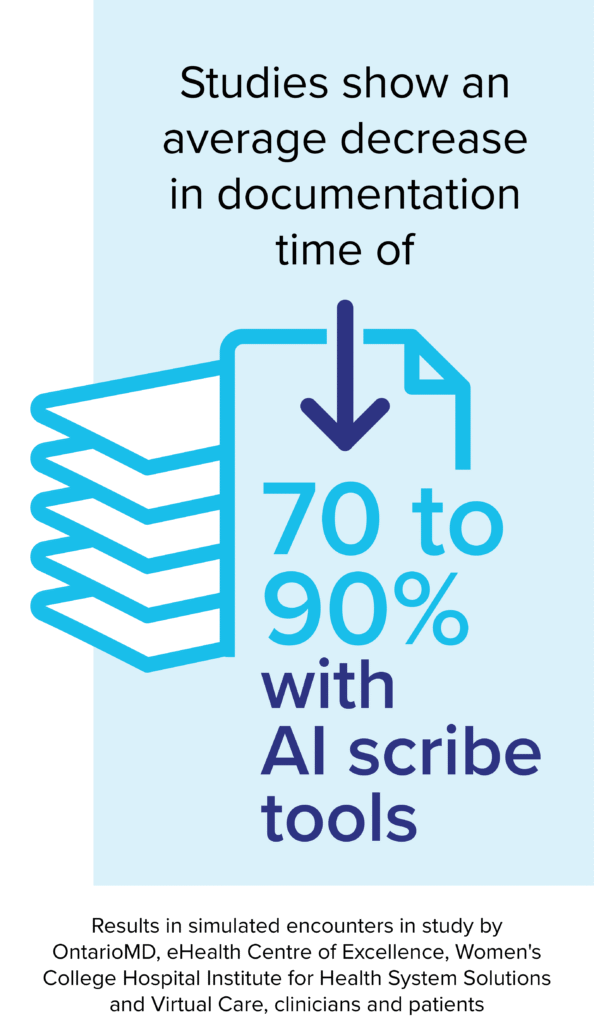
AI technology is transforming various sectors, and small to medium-sized businesses (SMBs) are not left out of this evolution. Two notable automation tools for SMBs in the realm of documentation and transcription are Otter.ai and Rev.ai. Each offers unique features and benefits, but these platforms also present distinct challenges that organizations should consider.
Otter.ai excels in generating real-time transcripts and comes with several collaborative features, making it ideal for teams engaged in meetings or webinars. Its ability to integrate seamlessly with platforms like Zoom and Google Meet enhances productivity, as users receive live updates and summaries. Pricing is competitive, starting with a basic free plan and escalating to $12.99 per month for the Pro version, which unlocks features such as advanced export options and higher transcription limits.
In contrast, Rev.ai is focused on accuracy and quality. It offers a robust API that can be integrated into various applications, allowing for customized transcription services. Rev.ai’s pricing begins at $0.25 per minute, which appeals to businesses that may have sporadic transcription needs rather than continuous use. It serves industries requiring precise documentation, such as legal and medical sectors, where errors can have serious repercussions.
Despite their strengths, both tools have limitations. Otter.ai might encounter accuracy issues, particularly in noisy environments or with heavy accents, which can compromise the quality of transcriptions. Rev.ai, while accurate, may incur higher costs for businesses requiring extensive transcripts, potentially leading to a spike in expenditures if frequently used.
Integration capabilities also play a crucial role when evaluating these tools. Otter.ai offers an easy-to-use interface that allows users to import notes from applications like Dropbox or Evernote, streamlining workflows. However, its integration with Electronic Medical Records (EMRs) may be less robust compared to specialized transcription services for specific sectors. On the other hand, Rev.ai’s API enables a more customized integration into existing software systems, enabling businesses to automate their transcription process more effectively.
Transitioning to these tools involves a structured migration plan. For Otter.ai, organizations can start by using a free trial to familiarize themselves with its features. Initiating a low-risk pilot with a small team can help gauge its effectiveness without significant expenditure. For Rev.ai, businesses should analyze their current transcription needs and run a limited trial to measure performance accuracy before committing to a more extensive rollout.
The total cost of ownership for these tools extends beyond subscription fees. Businesses must consider the time saved in transcription, potential errors avoided, and the impact on productivity. Both tools promise a return on investment, particularly when they streamline communication and documentation tasks. Organizations may see a noticeable ROI within three to six months through increased efficiency and reduced labor costs.
FlowMind AI Insight: Adopting AI scribe tools can offer considerable advantages for SMBs, yet it is essential to evaluate the specific needs of your business when selecting a solution. Understanding the trade-offs between features, reliability, and costs will enable organizations to make informed decisions that align with their operational goals.
Original article: Read here
2026-04-13 07:00:00