
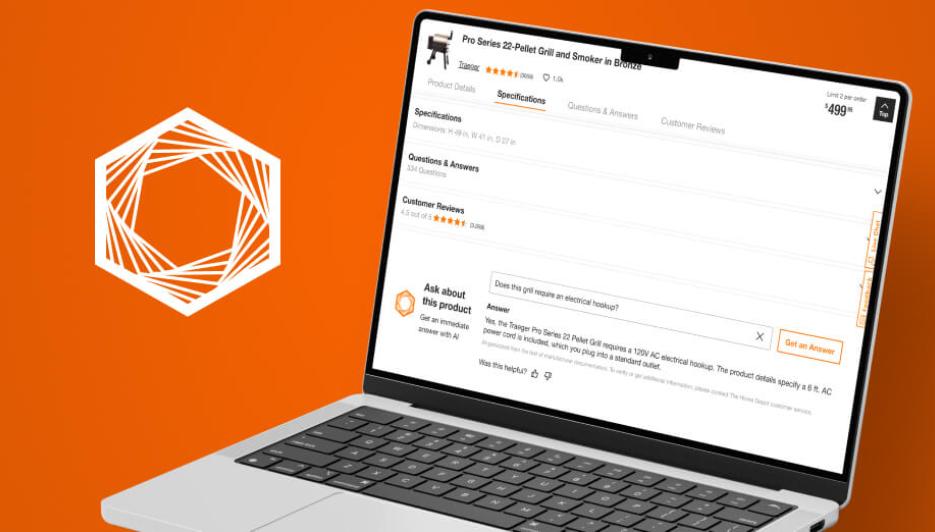
The expansion of AI tools in various sectors is increasingly shaping the decision-making processes for small and medium-sized businesses (SMBs). Tools such as Magic Apron from The Home Depot exemplify the potential benefits of incorporating generative AI into customer engagement and operational efficiency. However, various other tools are also competing for SMBs’ attention, including HubSpot and Zoho. Each of these platforms offers unique features, reliability metrics, and pricing structures, enabling SMBs to choose the best fit for their business needs.
Magic Apron stands out due to its proprietary home improvement knowledge base, which combines large-scale datasets with industry-specific expertise. This tool not only delivers accurate answers to customer inquiries but also summarizes product reviews and provides tailored recommendations for home improvement projects. Its reliability is rooted in the extensive data set curated by The Home Depot, ensuring that users receive consistent and actionable insights to navigate their projects seamlessly.
HubSpot, on the other hand, is a comprehensive marketing, sales, and customer service platform that is particularly reliable for SMBs looking to improve their customer relationship management. HubSpot’s feature set includes email marketing, social media management, and analytics tools. Its flexibility allows businesses to conduct A/B testing and track metrics effectively, resulting in actionable insights to optimize campaigns. HubSpot’s offerings are robust for companies focused on sales and lead generation.
Zoho provides a more cost-effective alternative for SMBs with a range of integrated applications that cover CRM, project management, and email marketing. Notably, Zoho’s compatibility with various third-party apps facilitates seamless integrations for businesses already leveraging different software solutions. Its scalability is an added advantage, enabling SMBs to customize their toolset according to growth and evolving needs.
When comparing costs, HubSpot typically operates on a subscription-based model that may begin to increase as additional features or user seats are added. Conversely, Zoho offers a tiered pricing structure that can be more affordable for small businesses. Magic Apron, while not typically categorized under the traditional SaaS pricing models, can incur costs through promotions or advertising as a part of The Home Depot platform.
Integration capabilities are critical when choosing an AI tool. HubSpot excels in this area, boasting integration with hundreds of applications including Google Analytics and Salesforce, facilitating a streamlined workflow that enhances productivity. Magic Apron integrates within The Home Depot’s own ecosystem, making it user-friendly for customers already engaged with the brand. Zoho also supports a wide array of integrations, although some may require additional configuration to ensure seamless functionality.
While Magic Apron serves a targeted audience focused on home improvement, HubSpot caters to a variety of sectors beyond retail, making it a better choice for businesses aiming for broader market engagement. However, Zoho may be a better fit for startups or businesses looking for an all-in-one solution without the hefty price tag often associated with more extensive platforms like HubSpot.
Before committing fully to any of these tools, businesses can implement a low-risk pilot program. For example, a company interested in Magic Apron could begin by utilizing its features to address a specific home improvement project, gauging customer engagement and satisfaction based on the responses received. This pilot allows businesses to evaluate the tool’s effectiveness in real-time without significant upfront investment. Similarly, SMBs could try HubSpot or Zoho with one department or functionality, observing its impact before a full rollout. During this phase, it’s crucial to monitor specific metrics, including engagement rates and return on investment, to guide future decisions.
When considering the total cost of ownership and the expected return on investment (ROI), businesses should account for both direct and indirect costs associated with these tools. Typically, the expected ROI for AI and automation tools can be realized within three to six months through improved efficiency, reduced labor costs, and increased customer satisfaction. For instance, a retail business leveraging Zoho for customer relationship management might see an increase in repeat customers due to improved service, translating into direct revenue gains shortly after implementation.
FlowMind AI Insight: As SMBs strive to remain competitive in an increasingly digital marketplace, understanding the unique advantages and limitations of available AI tools is critical. Balancing features, reliability, integration, and cost can lead to better decision-making, ultimately enhancing customer engagement and operational efficiency. With careful consideration and strategic implementation, these tools can yield significant benefits in a relatively short timeframe.
Original article: Read here
2025-03-06 08:00:00