
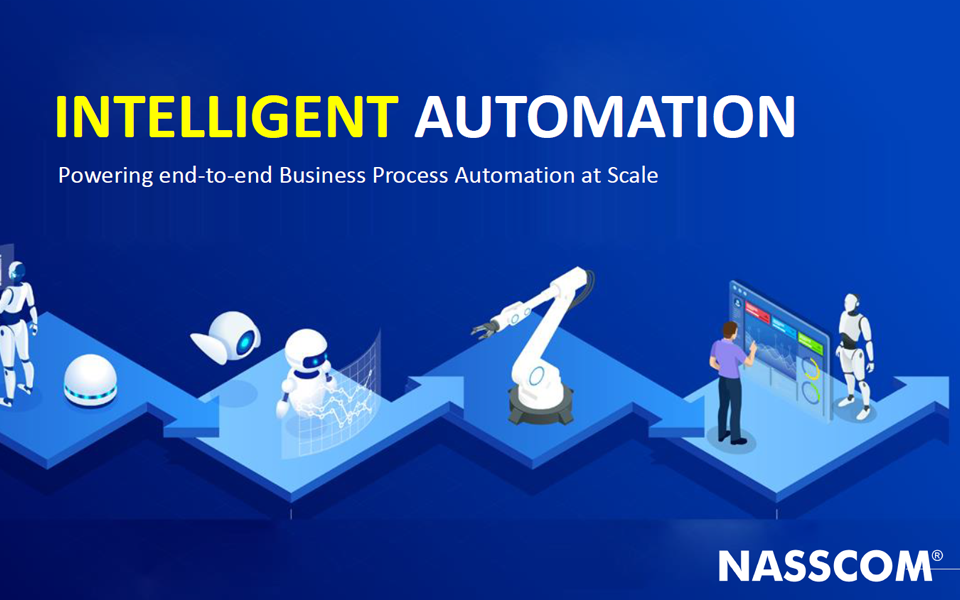
The post-pandemic world has transformed the way small and mid-size businesses (SMBs) operate. To keep up with rapid changes, many enterprises are turning to artificial intelligence (AI) to enhance automation. This article provides a step-by-step tutorial for designing, deploying, and monitoring an AI-powered automation system tailored for an SMB. The goal is to enable non-developer operations managers to implement automation solutions that utilize machine learning and natural language processing effectively.
Before diving into the implementation process, it is essential to understand some prerequisites. First, assess the existing infrastructure and data sources within the organization. Familiarize yourself with the types of data your business generates, such as customer interactions, sales records, and service requests. Second, identify key business areas that could benefit from AI automation, including customer service, inventory management, or marketing. Lastly, ensure that your team is on board and understands the potential impact of AI on operations.
The next phase involves configuring the automation system. Start by selecting an appropriate AI platform or tool suitable for your requirements. Popular options include cloud-based services like Google Cloud AI, Microsoft Azure, or Amazon Web Services. Once you select a platform, create an account and set up your environment. Most cloud providers offer user-friendly interfaces to assist you in building models without heavy coding knowledge.
Data integration is a crucial step in the configuration process. Collect and clean your data to ensure accuracy. For instance, if you choose to automate customer inquiries, aggregate past interaction logs, emails, and chat transcripts. Format these data sets in a way that your chosen AI platform can process. When feeding this data into the model, use clear, labeled examples to help the AI learn the context. For instance, include categories for responses, such as “billing query” or “product information,” to guide the model effectively.
Once your data is ready, start building your automation model. Most AI platforms offer straightforward tools like drag-and-drop interfaces or pre-built templates. Select the specific machine learning algorithms or natural language processing capabilities that suit your needs. For example, if your goal is to automate customer service via chatbots, choose a model that excels in conversational AI. Test different models using a small sample of data, and evaluate their performance metrics like accuracy and response time.
After constructing the model, it’s time to deploy it. Ensure to follow the platform’s guidelines for launching AI applications. A typical deployment may involve connecting the model to your existing systems, such as customer relationship management (CRM) software. Make sure that customer interactions can seamlessly transition from human agents to AI once you launch the system.
Monitoring your AI-powered automation is vital to ensure it operates as intended. Set up dashboards that provide real-time insights into the automation’s performance. Track metrics such as user engagement rates, resolution times, and customer satisfaction scores. This data will allow you to fine-tune the model over time, optimizing its accuracy and efficiency.
Error handling must also be built into the system to manage any potential issues. Establish fallback procedures for instances where the AI cannot adequately respond to a query or encounters unexpected behavior. These might include routing inquiries to human staff or offering alternative resources. Regularly review error logs to understand where the automation falls short and make adjustments as necessary.
Cost control is another essential aspect of deploying an AI automation solution. Start by estimating the initial costs, which can include software subscriptions, potential training expenses, and the evaluation of existing infrastructure. Set a budget for ongoing operational costs, such as cloud service fees or maintenance services. Use historical data to assess the expected return on investment (ROI). For instance, if the automation saves a significant amount of time for customer service representatives, you can quantify this saving to justify your initial expenditure.
When implementing an AI automation solution, consider security, data retention, and privacy. Ensure that any data collected is stored securely, leveraging encryption protocols and access controls to protect sensitive information. Implementing strict data retention policies will help maintain compliance with regulations like GDPR, ensuring customer data is only retained for as long as necessary. Regularly audit your security practices and stay updated on evolving frameworks and compliance requirements.
Vendor lock-in can be an additional concern with AI implementations. When selecting an AI platform, investigate options that offer interoperability with existing systems. Avoid solutions that require extensive proprietary formats or that would make transitioning to another provider impractical. Prioritize vendors who are transparent about their practices and offer clear migration paths should you need to switch providers.
Ongoing maintenance will play a key role in sustaining the effectiveness of the AI-powered solution. Schedule regular check-ins to review performance metrics and assess whether the model requires retraining or updating. Trends in customer inquiries may change over time, necessitating adjustments to the automation. Continuous learning and improvement in the model maintain not only accuracy but also customer trust.
In summary, designing, deploying, and monitoring an AI-powered automation system for a small or mid-sized business requires structured steps. From initial assessments to deployment, ongoing maintenance is crucial for maintaining effectiveness and achieving ROI. By prioritizing security and data/privacy regulations, businesses can create a sustainable framework.
FlowMind AI Insight: To successfully implement an AI-powered automation solution, businesses must remain adaptable and open to innovation. As technology evolves, so too should the strategies employed, ensuring ongoing operational efficiency and satisfaction for both employees and customers.
Original article: Read here
2025-09-28 21:29:00