
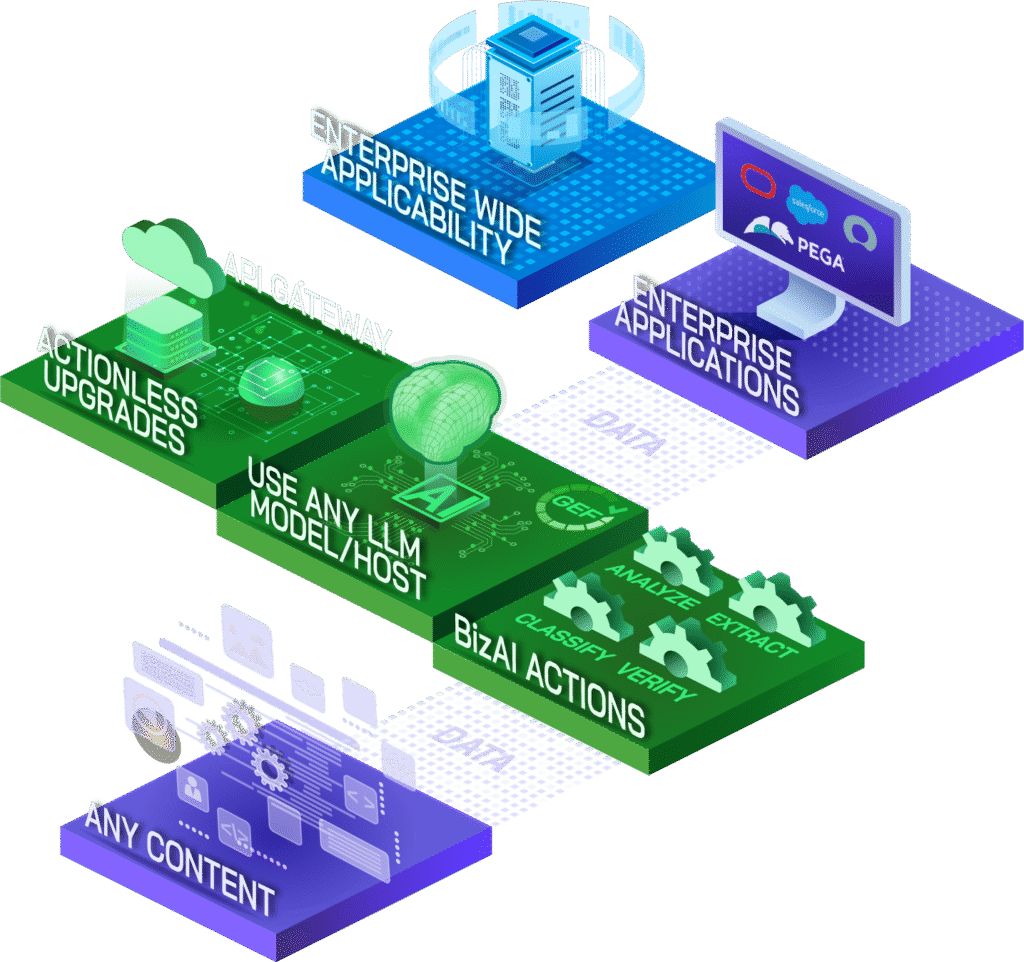
In today’s fast-paced business landscape, automation is no longer a luxury but a necessity for small and mid-sized businesses (SMBs). AI-powered automation can enhance efficiency, reduce operational costs, and free up valuable resources. This step-by-step tutorial will guide operations managers through designing, deploying, and monitoring an AI-powered automation system using a platform like Fisent’s BizAI.
Before diving into the design and deployment, it’s essential to assess prerequisites. Ensure your organization has a clear understanding of the specific business processes that require automation. Define the goals you want to achieve, such as reducing processing time or minimizing human error. Additionally, gather the data required for training and testing the AI model, which may include historical business records, customer interactions, or manual processes.
Configuration steps will begin with selecting the appropriate AI model that fits your use case. Fisent’s BizAI allows users to utilize various public or proprietary Large Language Models (LLMs). Conduct initial research to ascertain which model is most effective for your needs. For example, if your goal is to automate customer onboarding, you might find a model specializing in natural language processing particularly advantageous.
Once a model is selected, access the BizAI interface for setup. Start by defining the parameters for your automation tasks—this might include specifying data sources, such as customer relationship management (CRM) software or document management systems. For instance, if you are automating the extraction of customer data from forms, ensure that the system can access and interpret those forms correctly.
Testing is a critical component. Deploy the automation in a controlled environment first. Begin with sample inputs, such as a set of customer data forms, and monitor the outputs generated by the system. This phase is crucial for identifying initial errors or inefficiencies. For example, if the model fails to accurately extract customer names or addresses, adjustments to the model or the input data format may be necessary. Iterate through testing multiple times to improve accuracy before wider deployment.
Once the AI automation has been successfully tested, it is time to deploy it at scale. Roll out the automation in stages, starting with a single department or process. Continuously monitor performance metrics, such as completion time and accuracy rate. If the automation reduces processing time while maintaining accuracy, you are on the right track.
As you implement AI automation, address error handling proactively. Define clear protocols for responding to errors, including how to log them and whom to notify when issues arise. Incorporate fallback mechanisms that allow the system to revert to manual processes if critical failures occur. This not only ensures continuity but also allows for quick troubleshooting.
Cost control is another vital consideration. Utilize a cost-tracking mechanism throughout deployment to ensure that expenses do not exceed projected budgets. Regularly analyze operational costs associated with the automation versus the expected gains in efficiency. It’s also wise to apply a phased approach to spending, allocating funds incrementally as you validate success at each stage of deployment.
Security should be a paramount concern during the design and implementation of your AI automation. Ensure that all data being processed adheres to industry standards for data protection, including compliance with regulations such as the General Data Protection Regulation (GDPR) or the Health Insurance Portability and Accountability Act (HIPAA) if applicable. Encrypt sensitive data both at rest and in transit, and implement access controls that restrict who can interact with the AI system.
Consideration of data retention policies is also crucial. Develop guidelines for how long data will be retained and how it will be securely disposed of when it is no longer needed. Regular audits can help ensure that your organization adheres to these policies and meets any regulatory requirements.
Vendor lock-in can pose a significant challenge when adopting third-party technologies. To mitigate this risk, choose solutions that allow for easy integration with other platforms and have flexibility built into their architecture. This means that should your needs change or if the solution provider goes out of business, you will have options for migrating your automation processes smoothly.
Estimating ROI for your AI automation project is essential for justifying investment. Start by estimating the time saved due to automation and converting that into monetary savings. Consider the value of improved accuracy and reduced errors as well. Make a comparison of these metrics against the costs involved in deploying and maintaining the system. Ongoing maintenance should also be factored into your calculations, as this involves regular updates and possible adjustments to the AI model based on business needs.
Finally, effective monitoring of your AI-powered automation is crucial. Establish key performance indicators (KPIs) to measure success continually. Examples include process completion rates, data accuracy, and user satisfaction scores. Regularly review these KPIs and iterate on your model and processes to optimize for better performance and outcomes.
FlowMind AI Insight: By methodically approaching the design, deployment, and monitoring of AI-powered automation, small and mid-sized businesses can significantly enhance their operational efficiency. Understanding the prerequisites, focusing on security and compliance, and continuously evaluating performance are essential strategies for success. Automated processes are not merely about technology; they are about creating smarter workflows that empower businesses to thrive in a competitive landscape.
Original article: Read here
2025-06-11 07:00:00