
To successfully design, deploy, and monitor an AI-powered automation in a small or mid-size business, one must follow several essential steps. This structured approach will ensure that even those without a developer background can implement effective automation solutions.
Start by identifying the processes within your business that can benefit from automation. Common areas include data entry, customer support, and inventory management. Choose a process that is repetitive, time-consuming, and prone to human error. For instance, if your team spends significant time inputting customer information into a database, this could be an excellent candidate for automation.
Next, assess the prerequisites required for your automation project. Ensure you have access to appropriate data sets, such as customer data or inventory information. You should also have the necessary software tools in place, like UiPath’s platform for agentic automation. Training or resources for your team on how to use the platform effectively can also facilitate the implementation process.
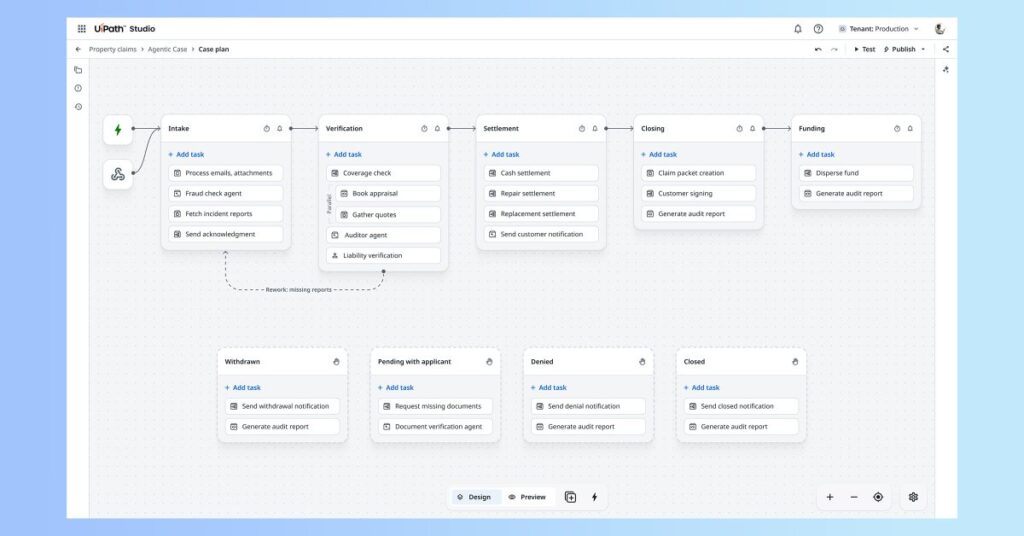
With your processes and tools established, move on to configuration steps. On the UiPath platform, begin by creating a new automation project. Use the intuitive drag-and-drop interface to build your workflow. As an example, you might configure a robot to extract data from a customer email and input it directly into your database. Make sure to specify the exact fields where data should be input, providing a clear outline of your desired end result.
After configuration, proceed to testing your automation. Conduct multiple test runs to ensure that the automation works correctly with varying data inputs. If your automation is designed to handle customer requests, test it with different scenarios, such as varying formats of requests or incomplete information. Document the outcomes to identify any inconsistencies and make adjustments as needed.
Monitoring is a crucial aspect of managing your automation. Use the built-in monitoring tools provided by platforms like UiPath to track the performance of your AI agents. Regularly review process metrics, such as execution times and error rates. This data will help you determine whether the automation is meeting your objectives or if further adjustments are necessary.
Error handling must also be integrated into your automation design. For instance, if a robot encounters unexpected data formats, you can configure it to send a notification to a human operator or log the error for later review. Incorporating these protocols will minimize disruptions and maintain productivity.
Cost control is an essential aspect of implementing AI automation. Review both the upfront costs associated with the platform and any ongoing subscription or licensing fees. Factor in the expected savings from labor efficiencies and improved accuracy. Establishing a clear budget will help keep your project aligned with financial goals.
Security and compliance should not be overlooked. Ensure that your automation adheres to necessary security protocols to protect sensitive data. This includes limiting access to authorized personnel and implementing encryption where appropriate. Your team’s oversight is vital for maintaining security, especially when dealing with customer data or operating in regulated industries.
Data retention and privacy policies are critical to consider. Establish clear guidelines on how long you will store data collected through automation and when it will be deleted. Compliance with regulations such as GDPR must be maintained to protect both your business and your customers.
Vendor lock-in is another concern when adopting automation technologies. Be aware of how dependent you become on a single platform. Consider multi-vendor strategies to avoid this pitfall, allowing for greater flexibility and future growth opportunities.
Estimating ROI involves understanding the potential financial benefits of the automation project. Calculate the time saved by your team and the reduced error rates. Conclusively, compare these savings against your initial investment and ongoing operational costs to assess the project’s financial viability.
Finally, consider ongoing maintenance. Automation solutions require regular updates and oversight to adapt to changing business needs. Establish a team or individual responsible for monitoring the system, implementing updates, and providing support. This role may include investigating performance data regularly to ensure everything runs smoothly.
FlowMind AI Insight: Adopting AI-powered automation can significantly streamline business operations, but effective management and oversight are crucial for success. A well-structured implementation process can unlock impressive efficiencies while safeguarding security and compliance, ultimately yielding a compelling return on investment.
Original article: Read here
2025-10-09 13:43:00