
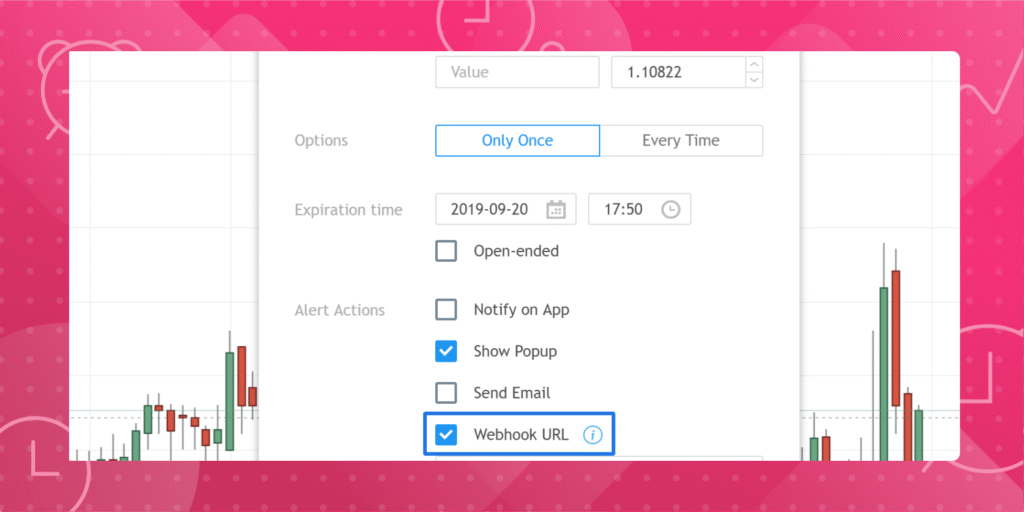
In recent years, the rise of automation tools has transformed the landscape for small and medium-sized businesses (SMBs). Among these tools, the introduction of webhooks into platforms like TradingView marks a significant enhancement in how businesses can integrate alerts with various applications. By utilizing webhooks, organizations can automate reactions to market movements in real-time, thereby optimizing decision-making processes. The comparison of leading automation platforms such as Zapier and Make in conjunction with the AI-driven capabilities of OpenAI and Anthropic provides nuanced insights into the strategic decisions SMB leaders must make as they consider the future of their automation strategies.
Zapier, a pioneer in the automation space, boasts a user-friendly interface that allows even the least technically inclined to integrate multiple applications seamlessly. With over 5,000 app integrations, the versatility of Zapier is its standout feature, enabling users to connect disparate tools and automate repetitive tasks. However, this convenience comes at a premium. Zapier’s pricing model, which escalates with more tasks and premium integrations, can prove costly for SMBs, particularly those with tight budgets. While Zapier focuses heavily on ease of use, its reliance on pre-defined workflows may limit businesses looking for more sophisticated automation solutions.
Conversely, Make offers a more robust platform for automation enthusiasts. Its drag-and-drop functionality allows users to create complex workflows that can perform multiple actions simultaneously. One of Make’s strengths lies in its ability to handle real-time data parsing, unlike Zapier, where users may encounter delays. However, this complexity can present a steeper learning curve for those less experienced with automation. Additionally, while Make’s pricing is often more favorable than Zapier’s for higher volumes of tasks, customization options may require a greater investment of time to fully leverage its capabilities.
When comparing AI-driven platforms, OpenAI and Anthropic present unique advantages and challenges for SMB leaders. OpenAI, known for its powerful language models, offers remarkable capabilities in natural language processing and understanding. This makes it an invaluable tool for automating customer support, generating marketing copy, and even driving complex data analytics. However, its cutting-edge features come with a higher cost, potentially limiting access for smaller businesses. Furthermore, OpenAI’s models can require significant computational resources, which adds additional constraints in terms of scalability.
Anthropic, while a newer entrant in the AI space, emphasizes ethical AI deployment and user-friendliness, focusing on providing interpretability and safety in its offerings. This makes Anthropic an appealing option for SMBs concerned about the ethical implications of AI. However, its comparative lack of extensive integration capabilities with existing applications may hinder its usefulness in businesses looking to streamline workflows across multiple platforms.
In terms of return on investment (ROI), businesses must carefully evaluate the potential benefits against the costs. The integration of automated systems through platforms like Zapier and Make can lead to substantial savings in time and human resources. A study by McKinsey found that organizations deploying automation could enhance their productivity by up to 30%, indicating a clear financial advantage. For SMBs, the ability to automate routine tasks frees up valuable time that can be redirected toward more strategic initiatives.
Scalability is another critical factor that SMB leaders need to consider when choosing an automation platform. As businesses grow, their automation needs often become more complex. Here, Make offers a significant advantage over Zapier due to its more flexible design capabilities. Businesses can easily scale their automation efforts with Make without incurring exponential costs, which is particularly important for SMBs operating in rapidly changing environments. In contrast, Zapier’s pricing model can quickly escalate as businesses create more workflows, potentially leading to unforeseen expenses.
In conclusion, the deployment of webhooks and automation tools like Zapier, Make, OpenAI, and Anthropic allows SMBs to tailor their workflow to meet specific operational challenges. While Zapier offers ease of use and extensive integrations, its costs may constrain smaller budgets, particularly when scaling. Make delivers advanced functionality and flexibility, arguably making it more suitable for businesses with complex needs seeking sustainable growth. Likewise, OpenAI’s sophisticated capabilities must be weighed against accessibility and scalability factors.
To maximize ROI, SMB leaders should critically analyze their unique operational needs, budgetary constraints, and scalability goals when selecting automation solutions. Balancing immediate automation needs with long-term strategic vision is essential for sustained business growth.
FlowMind AI Insight: The integration of webhooks into platforms like TradingView underscores a larger trend where automation is redefining business operations and decision-making. As SMBs navigate diverse options, the key to successful implementation will lie in aligning automation tools with specific goals and ethical considerations.
Original article: Read here
2019-08-21 07:00:00