
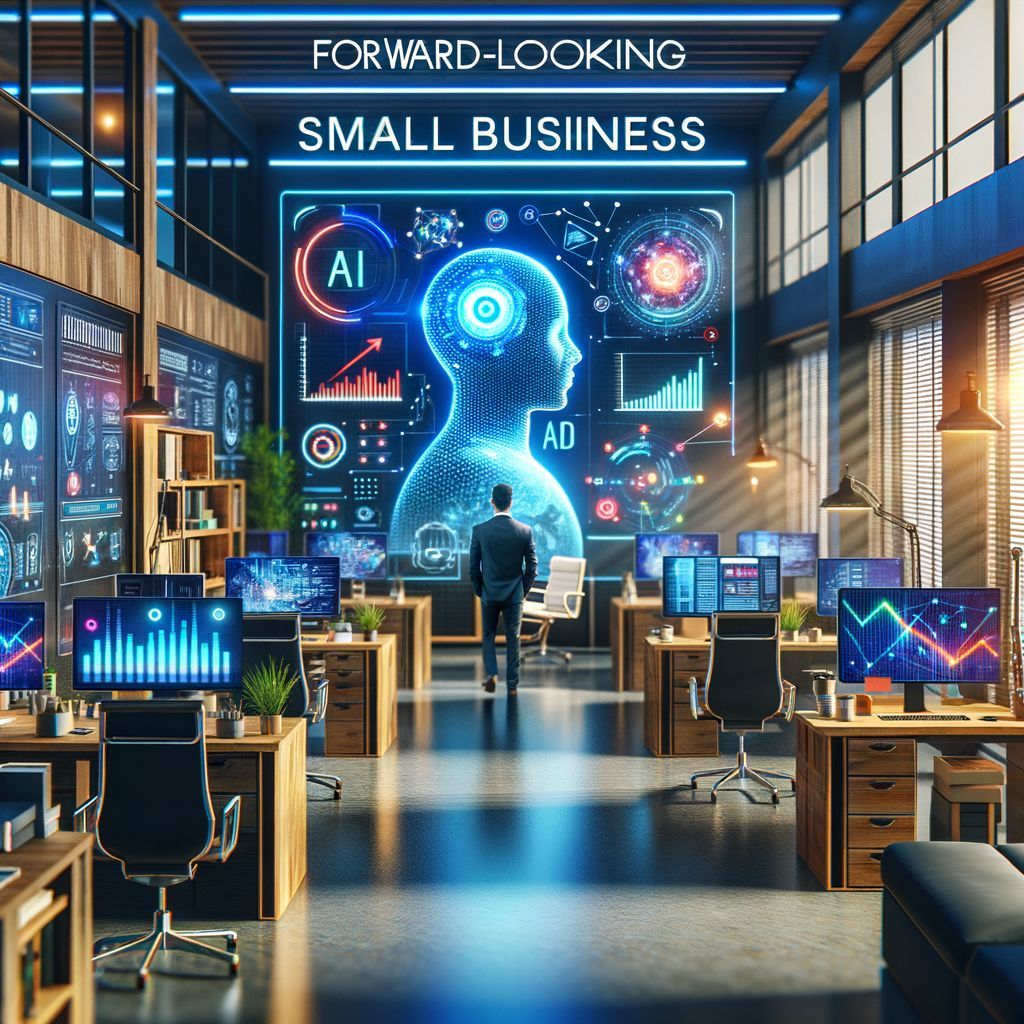
The integration of artificial intelligence (AI) in marketing strategies presents both immense opportunities and notable challenges for small and medium-sized businesses (SMBs). Recent research by Amazon Ads underscores this trend, revealing that marketing leaders in Australian SMBs anticipate a substantial 27% decrease in advertising costs thanks to AI innovations. This transformational shift is not merely speculative; it reflects the ongoing evolution of marketing practices that leverage technology to maximize efficiency and effectiveness.
The survey conducted among 200 B2C marketing decision-makers highlights multiple AI-driven benefits already in play. Automated visual creation, improved performance forecasting, and ad copy generation are actively being employed, illustrating how AI tools can streamline operations and elevate overall ad effectiveness. However, while the advantages of AI are tangible, it is crucial for SMB leaders to navigate the diverse landscape of automation platforms effectively.
Currently, a significant 72% of SMBs are exploring or utilizing AI tools for advertising purposes. Yet, the challenge lies in the plethora of options available. Tools like Make and Zapier, for example, offer a means of automating repetitive tasks, but they come with different strengths and weaknesses. Make, known for its visual-based interface, can be more intuitive for users with limited technical backgrounds. However, it may lack some of the advanced features that experienced users seek for complex automation systems. In contrast, Zapier stands out for its extensive library of integrations with third-party applications, making it a versatile option for organizations looking for broad application support.
Evaluating costs and return on investment (ROI) is critical when considering these platforms. Make’s pricing structure can become costly as the complexity of automation workflows increases, whereas Zapier offers tiered pricing based on the number of tasks performed monthly, which may be more manageable for SMBs with fluctuating needs. This adaptability can significantly drive ROI by ensuring that businesses pay only for what they utilize, allowing them to scale operations efficiently.
Moreover, while AI tools enable streamlined operations, SMB leaders should remain cognizant of potential limitations. A notable 45% of survey respondents expressed feelings of being overwhelmed by the sheer number of available resources. This indicates a gap in support and education on how to best utilize these tools. For instance, while OpenAI provides robust capabilities for content generation, its complexity can be daunting. In contrast, Anthropic emphasizes safety and alignment in AI usage, which could appeal to SMBs focused on ethical considerations and user-friendly interfaces. Balancing the technical sophistication of these platforms with user-friendliness is essential for effective implementation.
Equally important is the human factor. Many SMB leaders are eager to maintain human involvement in critical decision-making processes, such as creative approvals and budget allocations. This desire for human oversight is validated by the 44% who reported feelings of “faking it” when employing AI. Therefore, it’s vital to choose tools that not only automate tasks but also complement human expertise, fostering a collaborative environment that leverages both technology and human insight.
As SMBs move forward, the anticipation of improved audience reach, accelerated creative content generation, and further automation of advertising operations becomes ever more realistic. The projection of saving an average of 7.3 hours weekly, equating to approximately 45 working days annually, provides a strong incentive for adoption and underscores the potential impact on strategic business priorities. With these additional hours, SMBs can redirect focus toward sales initiatives, skill development, and exploring untapped markets.
Willie Pang, General Manager Australia at Amazon Ads, aptly highlights that “time is a precious resource” for SMBs. The development of user-friendly AI-powered tools like Image Generator and Video Builder demonstrates a commitment to enhancing productivity while allowing businesses to focus on core activities. As these tools evolve, it will be vital for SMBs to embrace an experimental mindset—testing, iterating, and refining their use of AI to find the optimal balance between automation and human oversight.
In conclusion, the landscape of AI-driven marketing tools holds significant promise for SMBs. However, leaders must approach the integration of these technologies with a strategic mindset. Evaluating tools based on strengths, weaknesses, costs, ROI, and scalability will empower SMBs to harness AI effectively, reaping the benefits while mitigating the challenges associated with implementation. Moreover, fostering a culture that values both technology and human insight will be paramount to thriving in this evolving digital environment.
FlowMind AI Insight: As SMBs continue to invest in AI and automation tools, a nuanced understanding of these technologies and their alignment with business goals will be key to unlocking lasting value. The future of marketing for SMBs will depend not only on adoption but on strategic integration that enhances both efficiency and human creativity.
Original article: Read here
2025-10-19 23:18:00