
In the rapidly evolving landscape of marketing technology, businesses are constantly on the lookout for platforms that can enhance their brand presence while optimizing resource allocation. One of the recent advancements in this area is Google’s launch of “Pomelli,” an AI experiment designed to assist small and medium-sized businesses (SMBs) in creating visually appealing and effective brand promotions. This article delves into the similarities and differences between Pomelli and established automation platforms like Zapier and Make, while also drawing some comparisons with generative AI solutions such as OpenAI and Anthropic, focusing on their strengths, weaknesses, and overall impact on business performance.
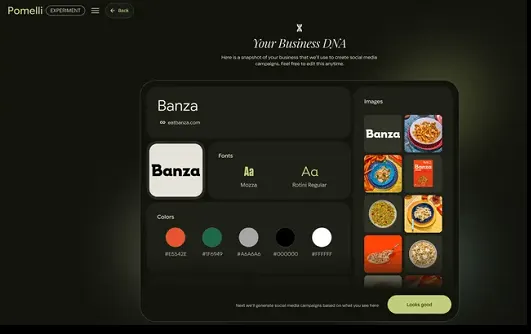
Pomelli operates fundamentally by creating a “Business DNA” profile for a brand based on an analysis of a company’s website and existing images. This allows it to generate tailored marketing campaign ideas, including specific promotional materials aligned with a business’s voice and branding elements. The seamless point-and-click interface makes it accessible, lowering the barrier for SMBs that may not have extensive design or marketing resources. However, its AI-generated outputs can possess an inherent risk—some consumers express discomfort with the artificiality of AI-generated content, a sentiment recently highlighted by research correlating consumer reactions to the perceived authenticity of marketing materials.
In contrast, platforms such as Zapier and Make focus primarily on automation rather than content generation. These tools are designed to streamline workflows by connecting various applications, enabling businesses to automate repetitive tasks without deep programming knowledge. While they excel in enhancing operational efficiency, they do not inherently create creative assets or promotional content like Pomelli. SMBs using Zapier or Make can see a significant return on investment (ROI) by saving time and resources, which can be reallocated toward strategic initiatives. However, they may encounter challenges in scaling operations seamlessly, especially if the workflows become increasingly complex.
When comparing Pomelli to established AI-driven platforms like OpenAI and Anthropic, one can observe nuanced distinctions. OpenAI’s models enable a broad spectrum of generative capabilities, allowing users to create unique content across various formats, making it an attractive option for those focused on content development. Nevertheless, OpenAI’s offerings may require a higher level of expertise to harness effectively, which could pose a barrier for SMBs with limited technical resources. On the other hand, Anthropic’s focus on AI safety and principled use offers reassurance to brands wary of the potential pitfalls associated with generative AI. However, this comes at a cost and may limit customization and responsiveness, which some brands prioritize.
From a cost perspective, Pomelli’s public beta phase offers SMBs a risk-free opportunity to engage with its features. As the tool evolves, pricing structures will play a pivotal role in determining its accessibility for broader market adoption. OpenAI operates on a subscription or usage-based model, making it financially feasible for many businesses, particularly when weighed against the potential revenue generated through enhanced creativity. In contrast, platforms like Zapier and Make generally follow tiered pricing models based on the number of operations or tasks automated, which can scale with business growth, providing an adaptable framework regardless of the company’s size or needs.
As organizations examine their marketing strategies, scalability is a crucial consideration. Pomelli presents a unique opportunity to streamline the content creation aspect, potentially leading to faster decision-making and quicker go-to-market times. However, it must function in conjunction with comprehensive analytics to monitor effectiveness, allowing businesses to pivot as needed. Automation platforms like Zapier and Make also offer scalability, but they primarily do so through process efficiencies rather than creative output, which may limit their appeal for businesses seeking to innovate in their marketing efforts actively.
The choice between these tools depends significantly on the specific needs of the business. For companies looking for an efficient way to enhance their marketing creative without extensive resources, Pomelli might serve as an essential component of their strategy. Conversely, organizations that prioritize operational automation and integration into broader workflows might find Zapier or Make to be more beneficial. The intersection of generative AI capabilities and robust automation platforms offers a compelling proposition for businesses aiming for peak efficiency and creativity in a crowded marketplace.
FlowMind AI Insight: As the landscape of marketing platforms continues to evolve, businesses must remain adaptable, leveraging innovative tools such as Pomelli to enhance their creative capacities while considering the robustness offered by automation platforms. A data-driven approach to evaluating these tools will ensure long-term success and competitiveness in today’s digital ecosystem.
Original article: Read here
2025-10-28 18:59:00