
In the digital age, small to medium-sized businesses (SMBs) face the challenge of navigating complex marketing landscapes while competing against larger enterprises with typically greater resources. The advent of artificial intelligence (AI) and automation platforms has created opportunities for SMBs to optimize advertising efforts and strengthen brand identity at a fraction of traditional costs. Tools like Pomelli from Google Labs illustrate how AI can alleviate the burdens of creating effective marketing strategies. However, evaluating the strengths and weaknesses of various AI platforms requires a thorough analysis of their capabilities, costs, return on investment (ROI), and scalability, particularly in comparison to other notable options such as Zapier, OpenAI, and Anthropic.
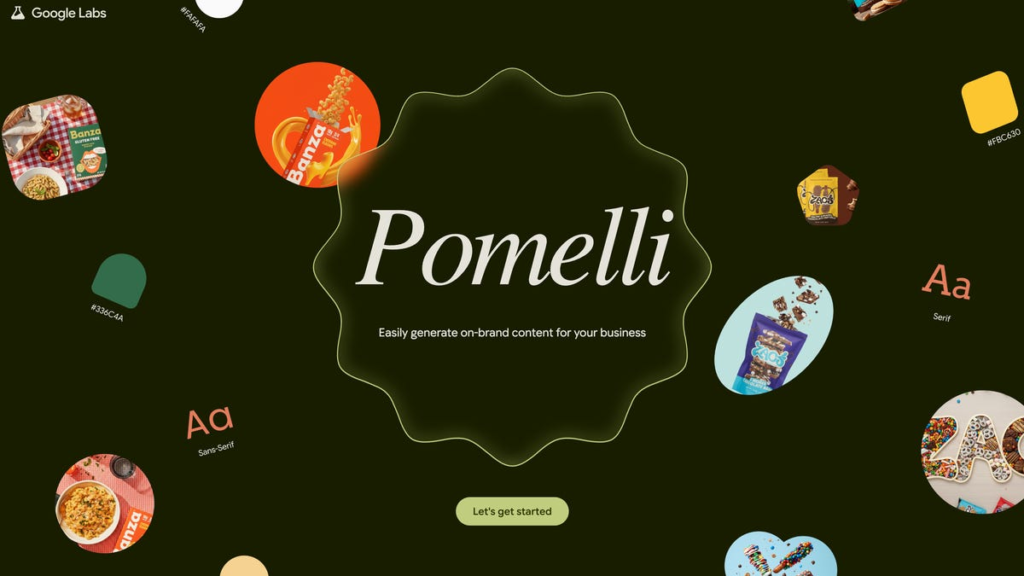
Pomelli harnesses AI to produce tailored ad campaigns after analyzing a user’s business website. This feature defines the unique “Business DNA” of a brand, leveraging URL data to identify visual and tonal elements crucial to brand identity. With capabilities extending to generating logos, taglines, and a cohesive style for marketing assets, Pomelli automates the often laborious processes of brainstorming and content generation. This offers significant advantages, particularly for startups with limited resources. By generating content at scale, Pomelli can enable quick market passage and testing of ideas, subsequently providing insight into what resonates with target audiences.
However, while Pomelli’s AI-driven approach offers a compelling solution, it is vital to consider its availability, as it is currently limited to English-speaking countries in a public beta stage. This restricts broader adoption for non-English speaking markets. Furthermore, while the quality of outputs is promising, the variability inherent in AI-generated content remains a concern. Brands may encounter challenges in achieving full alignment with their values or market position, especially if the automated outputs lack the nuance often required in nuanced advertising strategies.
Conversely, platforms such as Zapier and Make provide automation solutions with a focus on streamlining workflows rather than direct marketing. They excel in connecting disparate applications, enabling users to automate repetitive tasks across their operational landscapes. Notably, users can construct intricate workflows called ‘Zaps’ in Zapier, which combine triggers and actions from various applications. This offers SMBs flexibility to enhance internal efficiency but does not directly facilitate the creative advertising processes that Pomelli provides.
From a cost perspective, both Pomelli and workflow automation tools like Zapier and Make present competitive options. Pomelli aims to democratize access to marketing by potentially lowering the financial barriers for effective ad development—an enticing prospect for SMBs focused on budget constraints. However, Zapier operates on a tiered pricing model that scales with usage, which may lead to increased costs as operations grow. This also applies to Make, which provides similar services and flexibility but may require additional investment to fully leverage its capabilities.
When analyzing the potential ROI, the efficacy of each tool depends on strategic alignment with business objectives. Pomelli’s ability to quickly generate campaign material allows for rapid prototyping and testing of ideas, facilitating experiments that could yield high returns if the generated campaigns resonate with audiences. In contrast, while Zapier and Make can improve operational efficiencies, their ROI is contingent on the quality of integration and the tasks automated. Thus, the opportunity lies not just in cost-effectiveness but in the overall impact on business performance.
Scalability is a crucial consideration. As an AI-driven solution, Pomelli’s architecture is designed to scale, adapting to increasing business needs, market trends, and creative demands. Potential limitations may arise if the platform remains in beta, though widespread adoption could lead to continued development and enhancements. Conversely, Zapier and Make both operate on established models that can support businesses of varying sizes but might face challenges in evolving to meet specific marketing needs as they become more multifaceted.
In comparing OpenAI and Anthropic for generative AI use in creative content, both platforms have robust offerings. OpenAI’s ChatGPT excels in natural language processing, generating human-like text and supporting diverse applications from chatbots to content creation. However, Anthropic focuses on aligning AI with ethical considerations, potentially providing users with more reliable outputs that adhere to brand standards. Each brings unique strengths to the table, making it essential for SMB leaders to align their choice of tools with their overarching values and strategic goals, particularly regarding their stance on business ethics and responsible AI use.
As SMBs increasingly adopt these innovative solutions, it is imperative to conduct thorough evaluations of the tools available, considering factors such as operational integration, creative output quality, and alignment with brand objectives. By understanding the full implications of each platform, businesses can allocate resources strategically, ensuring that investments in AI and automation yield fruitful results.
FlowMind AI Insight: In the competitive landscape of SMBs, leveraging AI tools like Pomelli can streamline marketing efforts, but success will hinge on choosing the right platform that aligns with long-term business goals and values. A data-driven approach will enhance decision-making, fostering growth and brand resilience in an ever-evolving market.
Original article: Read here
2025-10-30 03:00:00