
The landscape of artificial intelligence and automation tools is rapidly evolving, presenting SMB leaders and automation specialists with a plethora of choices. Among the most notable players in this domain are OpenAI and its emerging competitor, Anthropic. Understanding the strengths, weaknesses, costs, ROI, and scalability of these platforms is essential for businesses looking to integrate AI and automation effectively.
OpenAI has established itself as a leader in large language models, spearheading innovations that allow for sophisticated conversational agents and content generation tools. The company’s flagship product, ChatGPT, has gained significant traction across industries, primarily due to its ability to generate contextually relevant responses, understand complex queries, and sustain engaging conversations. OpenAI benefits from extensive resources and a strong brand presence in the AI community, resulting in a suite of APIs that are both powerful and user-friendly.
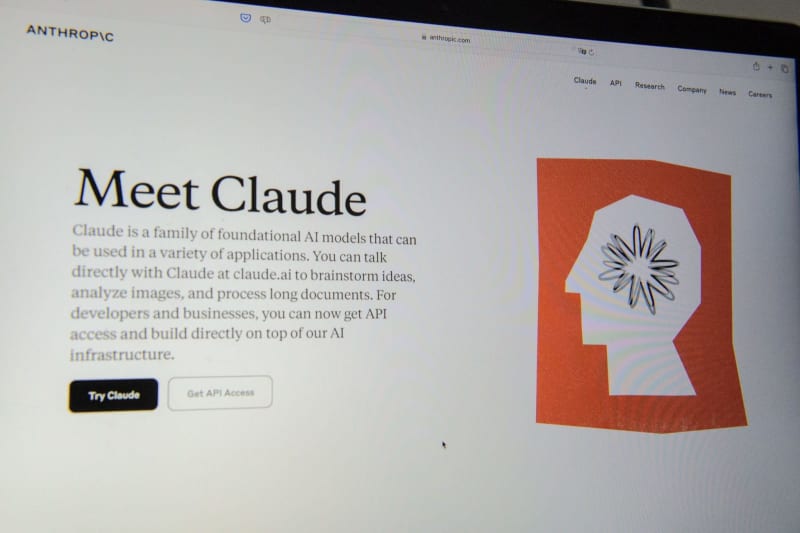
Conversely, Anthropic is carving out its niche with its Claude family of models, focusing on business applications within finance, law, and software development. Founded by former OpenAI employees and backed by major players like Google and Amazon, Anthropic leverages this expertise to offer unique features and ethical considerations in AI design. For example, their focus on AI safety and alignment is designed to mitigate risks associated with deployment, appealing to organizations concerned about ethical implications.
When comparing costs, OpenAI operates on a consumption-based pricing model, which can become significant for high-volume use cases. Businesses that require extensive or continuous interactions may see their spend escalate quickly. On the other hand, Anthropic’s pricing strategy is still emerging, and while it may offer competitive rates initially, the actual total cost of ownership will depend on usage patterns and integration complexities. As a general rule, leaders should examine the total cost of ownership, including hidden fees associated with API requests and potential costs related to scaling operations across regions.
An important highlight for consideration is the ROI offered by these platforms. OpenAI, backed by real-world performance data, has demonstrated significant returns for organizations that implement its solutions. Its adaptability across various functions—from customer service to marketing—has illustrated a marked decline in operational costs and an increase in employee productivity. However, the effectiveness of OpenAI’s models largely hinges on the quality of data fed into them, necessitating a proactive approach from businesses to curate this data effectively for optimal returns.
In contrast, Anthropic’s focus on specialized industries allows it to provide targeted solutions that can drive significant ROI for businesses within those sectors. Early adopters, such as BMW and N26, highlight the platform’s ability to understand domain-specific language and make relevant recommendations. Businesses operating in finance or law can expect a quicker integration and more profound impacts due to the bespoke nature of solutions designed for their unique requirements.
Scalability is another critical factor that SMB leaders must consider. OpenAI can readily support scalable implementations due to its established infrastructure and developer resources. Organizations can seamlessly increase their usage as their needs grow, although they must remain vigilant about cost implications at higher usage levels. Anthropic, while still in the expansion phase, is rapidly increasing its capabilities, particularly in Europe, which may present attractive opportunities for businesses seeking geographically tailored solutions. However, the firm’s future scalability will heavily depend on how quickly it can secure and support its infrastructure.
Integrating AI into business processes requires careful analysis. Organizations must consider the specific challenges they face and how each platform aligns with their strategic goals. OpenAI provides robust generalized solutions and seamless scalability but can incur high costs with increased usage. Conversely, Anthropic’s strategic focus could enable organizations to derive distinct advantages in niche markets, although its broader ecosystem is still developing.
In conclusion, both OpenAI and Anthropic present compelling options for SMB leaders and automation specialists evaluating AI and automation solutions. The choice between them will largely depend on industry needs, cost considerations, and the level of customization required.
FlowMind AI Insight: The decision to implement AI platforms like OpenAI and Anthropic should be informed by a thorough cost-benefit analysis, focusing not just on immediate outcomes but also on long-term implications in scalability and ethical considerations. As AI technologies continue to progress, organizations that leverage these insights strategically will likely position themselves better to thrive in an increasingly automated future.
Original article: Read here
2025-11-07 10:49:00