
In today’s competitive landscape, small and mid-sized businesses (SMBs) are increasingly looking to automate their operations through AI-powered solutions. Implementing such technology may seem daunting, but with clear steps, operational managers can successfully design, deploy, and monitor an automation system that enhances productivity. This guide provides a structured approach to achieving that, focusing on automation in warehouse and industrial settings.
Before starting, ensure that your organization has a solid technological foundation. Essential prerequisites include a reliable internet connection, compatible hardware (sensors, cameras, computers), and basic software for data handling. Familiarity with existing business processes will also help in defining key areas for automation.
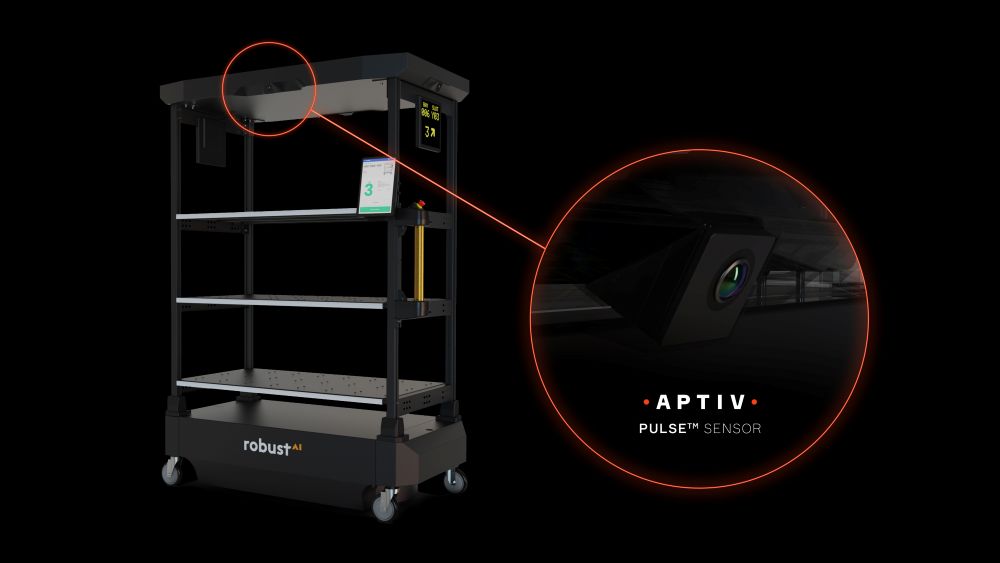
Step 1 involves identifying specific tasks that can be automated. This could range from inventory management to order fulfillment. Conduct a business process review to determine bottlenecks and repetitive tasks. For example, if an employee spends hours sorting and shipping goods, automating this process with an AI-powered collaborative robot (cobot) like Carter can enhance efficiency.
The next phase focuses on configuration. Choose an AI-driven automation platform that meets your needs. Many vendors provide user-friendly interfaces suitable for non-developers. Select your specific functionalities, such as robotic picking or sorting capabilities. Consider an offering that features pre-built machine learning models to reduce setup time. Upload historical operational data to enhance the AI’s performance, which is crucial for fine-tuning algorithms that effectively mimic human capabilities.
Testing is a critical step in ensuring that your system operates smoothly. Perform a pilot run using a limited scale, closely monitoring how the automation interacts with existing workflows. During this trial, gather feedback from employees who work alongside the cobots. Create scenarios to assess both basic functionality and issue resolution. For instance, if a cobot struggles with navigation in tight spaces, adjustments may be necessary.
Once testing is complete, proceed to full deployment. This involves rolling out the cobots across your operations while closely monitoring performance metrics. Key performance indicators (KPIs) like processing speed, error rates, and employee satisfaction should guide this phase. Regular updates and integration of user feedback help refine the system for optimal performance.
Effective monitoring involves more than just observing the cobots in action. Utilize real-time dashboards to track efficiency metrics and operational statistics continuously. Setting alerts for anomalies can enhance proactive management. For instance, if a significant delay occurs in fulfillment times, your monitoring system should promptly notify you to investigate the underlying issues.
Secure data management is indispensable when implementing AI solutions. Be mindful of data protection regulations such as GDPR or CCPA, which require transparency about data collection and usage. Ensure that all data used for training algorithms is anonymized when applicable, and establish clear data retention policies to eliminate unnecessary exposure. Additionally, create a robust security framework to protect against unauthorized access, focusing on encryption and user authentication.
Addressing vendor lock-in is essential to maintain flexibility and adaptability in your operations. When choosing an automation vendor, prioritize options that allow easy integration with existing systems and support interoperability. Open standards and API capabilities can facilitate smoother transitions in case you decide to switch vendors or incorporate new technologies in the future.
Estimating ROI is crucial to justify the investment in AI-powered automation. Begin by calculating initial costs, which include hardware, software, and training expenses. Then, identify potential savings from reduced labor costs, increased productivity, and minimized errors. For example, if implementing a cobot can save ten hours of labor weekly and generates significant cost savings, calculate a clear timeline for when your investment will pay off.
Ongoing maintenance is vital for the continued success of your AI automation system. Establish a regular maintenance schedule to service the cobots and update software. Regular assessments of performance metrics will help identify areas needing improvement. Partnering with vendors who offer support services can ease the burden on internal teams.
FlowMind AI Insight: Successfully designing, deploying, and monitoring an AI-powered automation system involves careful planning and execution, particularly for small and mid-sized businesses. By methodically evaluating tasks, configuring the right solutions, and ensuring robust monitoring and security measures, organizations can unlock significant operational efficiencies while safeguarding their data and future adaptability. This streamlined approach not only hones productivity but also positions businesses to thrive in a technology-driven environment.
Original article: Read here
2025-11-11 09:38:00