
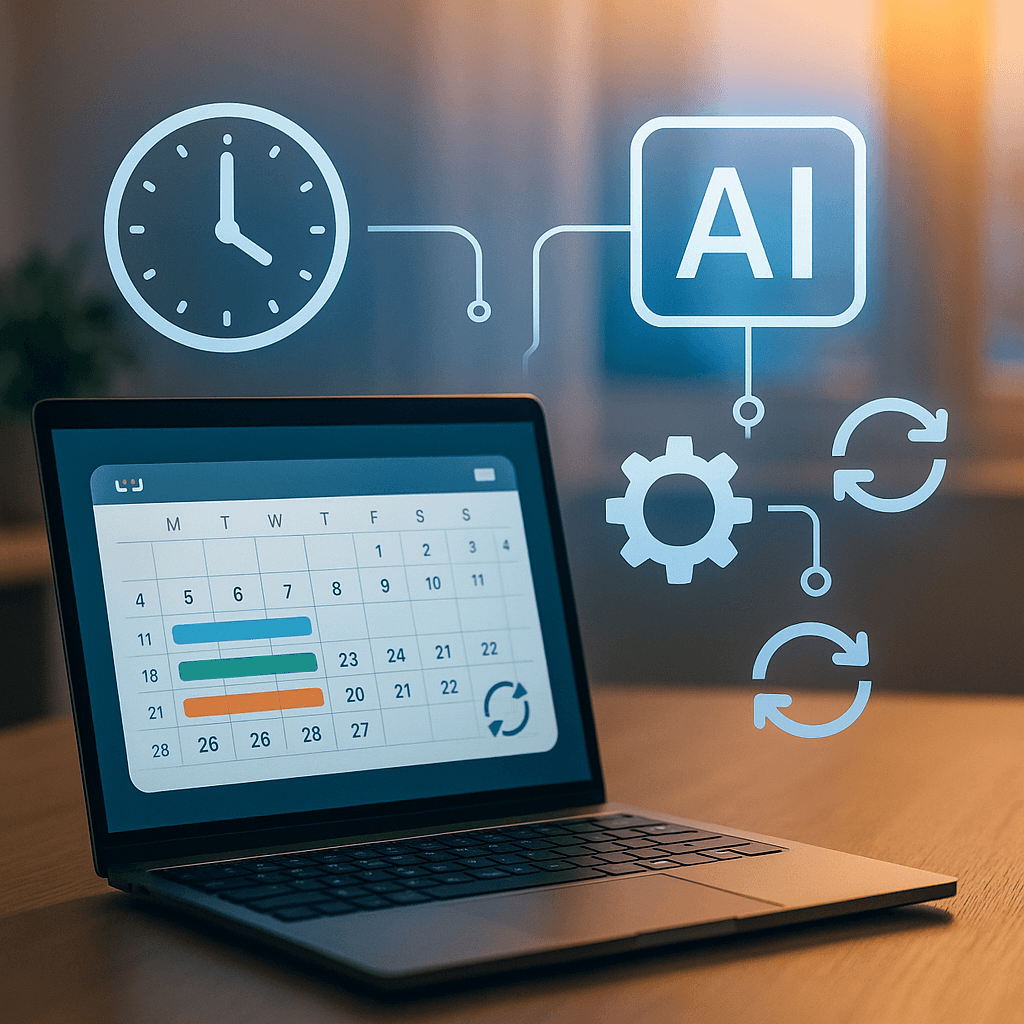
In today’s rapidly evolving technological landscape, small and mid-sized businesses are increasingly looking to leverage artificial intelligence for automation. Designing, deploying, and monitoring AI-powered automation can streamline operations, reduce costs, and enhance productivity. This guide provides a step-by-step tutorial for non-developer operations managers to implement an AI-driven solution effectively.
Before diving into the implementation, it is essential to understand the prerequisites. First, ensure that your organization has a robust internet connection and access to AI platforms like Google Gemini or OpenAI’s ChatGPT, which facilitate automation. Familiarize yourself with the core functionalities these platforms offer, as well as any subscription costs involved, typically around $20 monthly for premium features that allow scheduling and automation.
The initial configuration step is to choose the specific tasks you wish to automate. Begin by identifying pain points within your current operations—common examples are daily reporting, customer engagement, or task reminders. For instance, you might want to automate a weekly report generation that extracts sales data. Once you have identified the task, think about the frequency at which this task should be performed.
Now, it’s time to set up the automation. Begin by logging into your AI platform. For example, if using Google Gemini, navigate to the scheduling feature. Input the specific task you want to automate, such as “generate a weekly sales report every Monday at 9 AM.” Be sure to specify any parameters or details the AI needs to complete this task, such as the type of data required. The system will typically prompt you to review these details before confirming the automation.
Next, testing is crucial. After setting up your automation, run a trial to ensure it functions as intended. Monitor the initial outputs meticulously. In the sales report example, confirm that data is accurately pulled and formatted. If the output meets your expectations, you can confidently deploy the automation for regular use.
Once your automation is live, continuous monitoring is essential. Utilize the built-in analytics tools provided by your AI platform to track performance. For instance, you may want to evaluate how many reports are generated correctly versus those that encounter errors. Establish a routine for reviewing these metrics, which will inform necessary adjustments to improve the system’s efficiency.
In the event that errors occur, have a protocol in place for handling them. For example, if the AI fails to generate a report as scheduled, you should check logs for error messages and troubleshoot accordingly. This could involve revisiting the configuration settings and ensuring data sources are still accessible and accurate.
Cost control is also key when implementing AI automation. Keep track of how your subscription costs align with the value derived from increased efficiency. Performing a cost-benefit analysis can help you understand your return on investment. If automating a procedure saves three hours of work per week, consider the hourly cost of labor and whether the subscription fee is justified.
Another imperative consideration is security. Evaluate the AI platform’s security measures. Ensure that it complies with industry standards and offers features like two-factor authentication. Data retention policies should also be understood; ascertain how long data generated by your automation tasks is stored and whether this meets your business’s compliance requirements.
Privacy and data protection are crucial factors to address. You’ll want to ensure that the AI tools you implement do not compromise sensitive information. Check the platform’s privacy policy for clarity on data handling practices. Furthermore, consider potential vendor lock-in issues, as some platforms might make it challenging to migrate to alternatives without losing historical data or incurring additional costs.
To estimate your return on investment, quantify the time saved by automating tasks and translate this into monetary value. Calculate the total cost of implementation, including subscription fees and any additional resources required for maintenance. Balancing this with the estimated time savings can inform future automation decisions.
Ongoing maintenance is essential for long-term success. Regularly review and optimize your automation tasks. Over time, business needs may change, and your automation should evolve accordingly. Setting aside time for periodic evaluations both for performance and relevance will ensure that your AI automation remains effective.
FlowMind AI Insight: As businesses increasingly adopt AI-driven automation, planning and executing these projects with thorough understanding, systematic approaches, and continuous adjustments will be key factors in achieving successful outcomes, ultimately leading to enhanced productivity and better resource allocation.
Original article: Read here
2025-11-16 12:04:00