
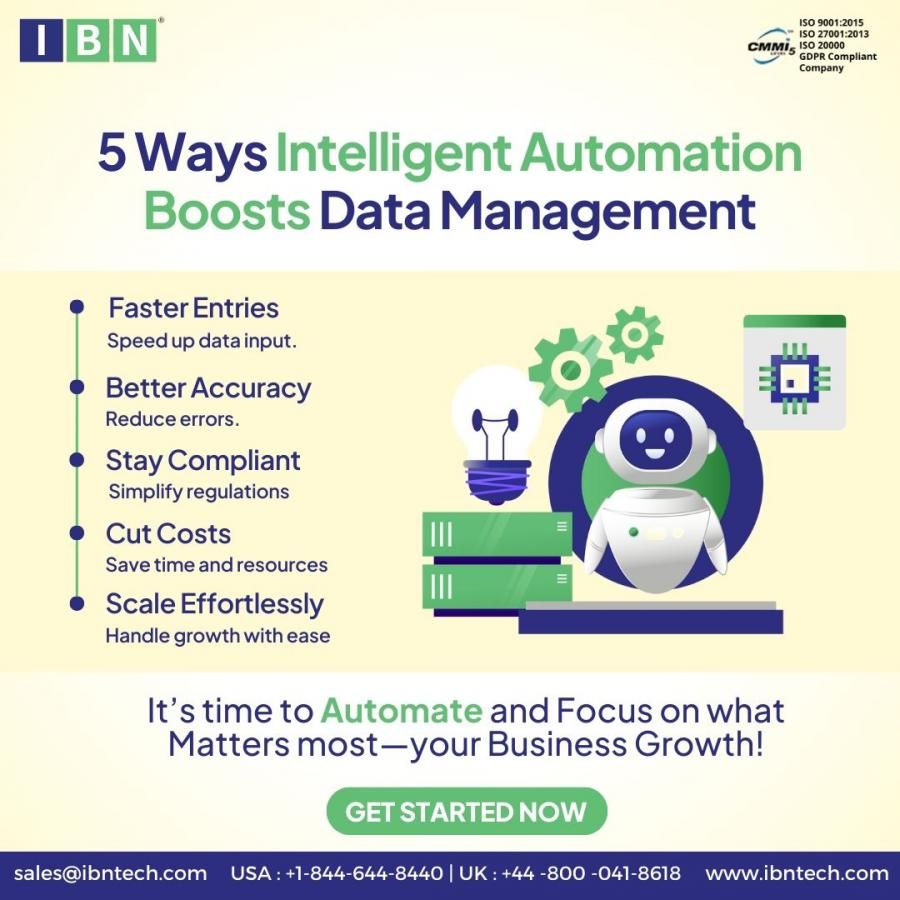
Designing, deploying, and monitoring an AI-powered automation system for a small to mid-size business can significantly enhance operational efficiency and decision-making processes. This guide provides clear, sequential instructions that an operations manager, without a technical background, can follow to implement such a system effectively.
Before starting, ensure you have access to critical resources. First, assess the specific automation needs of your business. Identify routine tasks that can be automated, such as customer inquiries, inventory management, or financial reporting. It may also be beneficial to consult with key stakeholders to gather insights on pain points and inefficiencies.
Once you’ve determined the areas to automate, you will need to define the prerequisites thoroughly. A fundamental requirement is a reliable internet connection. Most AI tools are cloud-based and require stable connectivity. You will also need a user-friendly AI platform that suits your business needs. Potential platforms include Microsoft Power Automate, Google Cloud AI, or various specialized SaaS applications tailored for specific industries.
Next, sign up for your chosen AI tool. Follow the platform’s straightforward onboarding process. Most platforms offer tutorials and guided tours that can ease the learning curve. After signing up, familiarize yourself with the user interface to understand where to find various functionalities. This step is essential as it prepares you for modifying workflows and deploying automations.
Configuration is the next key step. Using your identified automation areas, begin creating workflows within the AI platform. For example, if you want to automate email responses to customer inquiries, you can set triggers that initiate responses when certain keywords are detected. Create sample inputs by mimicking real-world scenarios, such as questions your customers frequently ask.
As you build your workflows, continually evaluate the logic of each automated operation. Ensure that the expected outcome aligns with your initial objectives. Once you’ve configured these automation workflows, it’s crucial to conduct thorough testing. Run simulations using your sample inputs and assess whether the outcomes match your expectations. Adjust the workflows as necessary based on your testing results.
Monitoring the system once deployed requires setting up analytics and performance metrics. Most AI platforms provide built-in analytics tools that enable you to track the performance of your automation. Monitor key performance indicators (KPIs), such as response time, resolution rates, and user satisfaction. These metrics will help you refine operations over time and identify further areas for improvement.
Error handling is another critical aspect of maintaining an AI-powered automation. Create a protocol for identifying and managing errors that may arise during operation. Leverage the platform’s built-in error notification system, if available, and specify who on your team is responsible for troubleshooting and resolving potential issues. It’s also wise to document common problems and their solutions for future reference.
Cost control should be a constant consideration throughout this process. While many AI platforms offer scalable pricing based on usage, it’s essential to monitor costs closely, especially when deploying multiple automations. Regularly analyze usage patterns and adjust subscriptions or services accordingly to prevent unnecessary overspending.
Addressing security, data retention, and privacy is paramount. Ensure that the AI platform adheres to industry-standard security measures, such as encryption and secure access controls. It’s also vital to understand the data retention policies. Review how long data is stored and how it can be accessed, which ensures compliance with regulations like GDPR or HIPAA, depending on your industry.
Vendor lock-in could pose significant challenges down the line. As you select an AI platform, evaluate the flexibility it offers regarding data export and integration with other systems. Choosing an open-source solution or a platform with straightforward API access can facilitate future transitions if you decide to switch vendors.
Estimating ROI from your AI initiatives involves measuring the impacts on operational efficiency and cost savings over time. Track how much time is saved through automation and evaluate if that translates to increased revenue or reduced operational costs. Conduct regular assessments to ensure that the benefits you expect are being realized.
Ongoing maintenance is also vital for the AI-powered automation to remain effective. Schedule regular reviews of the workflows you’ve implemented. This process not only ensures they continue to meet business needs, but also helps identify any changes required as your business environment evolves.
FlowMind AI Insight: Implementing AI-powered automation is a journey that requires diligent planning, execution, and continuous monitoring but, when done correctly, can yield substantial benefits in efficiency and profitability for small and mid-size businesses. By adhering to these steps and thoughtfully managing the associated challenges, organizations can successfully navigate this transformative process.
Original article: Read here
2025-11-21 22:03:00