
In today’s fast-paced business environment, small and mid-sized enterprises (SMEs) must adopt automation technologies to remain competitive. Implementing an AI-powered automation system can greatly improve efficiency, reduce costs, and enhance customer relations. This guide will provide you with a clear step-by-step tutorial on how to design, deploy, and monitor such a system in your organization, specifically using an AI-CRM platform like Kuailu Cloud AI-CRM.
Before diving into the details, it is essential to establish prerequisites for the project. First, assess your current infrastructure. Ensure you have robust internet connectivity and devices that support the AI-CRM system. Next, gather all customer data and workflows that you want the AI automation to streamline. This includes details like customer profiles, past interactions, and sales processes. You may also need to involve key stakeholders, such as IT, sales, and customer service teams, for a comprehensive understanding of your needs.
Once you have your foundation ready, the next step is configuration. Begin by logging into the Kuailu Cloud AI-CRM platform. The platform offers a user-friendly interface for low-code configuration. Start by defining your automation goals. For example, do you want to automate follow-up emails to customers who made recent purchases? Outline these processes in clear terms, noting every step of the desired workflow. The platform will allow you to create triggers and actions, such as initiating an email after a customer completes a purchase.
After configuring the initial automation setup, it’s crucial to conduct thorough testing. Create test scenarios that simulate actual customer interactions. For example, input a customer record and record a purchase. Check if the automated follow-up email is sent promptly and whether the information integrates seamlessly into your customer database. Gather feedback from stakeholders on the testing outcomes. This phase is vital as it allows for adjustments before the full deployment.
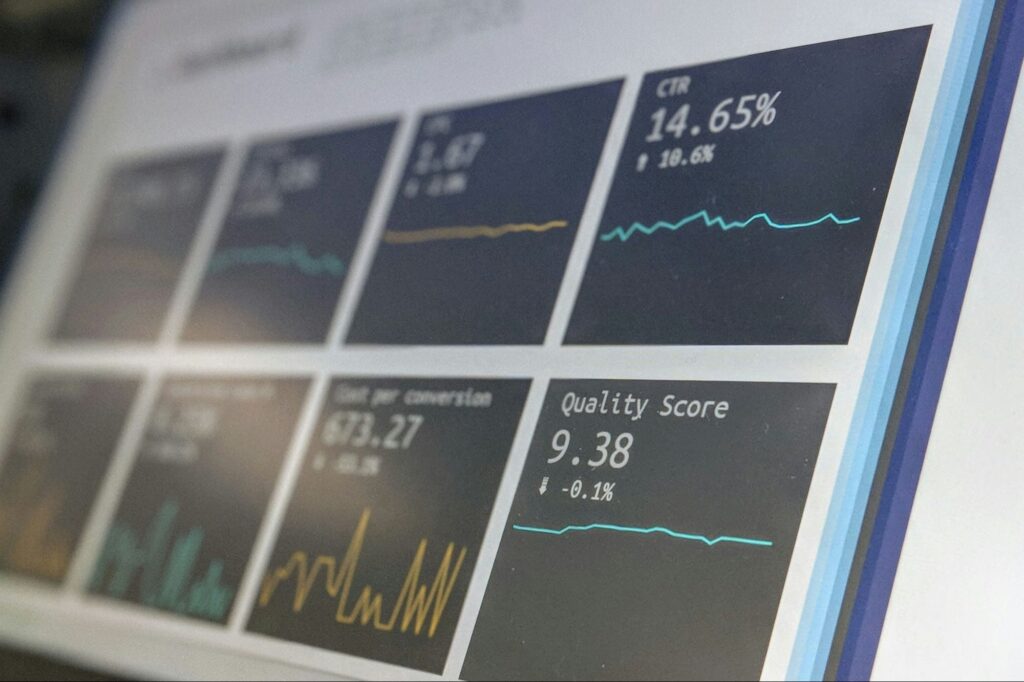
Once testing is complete, proceed to monitor the efficiency of your new system. Utilize the analytics provided by the Kuailu Cloud AI-CRM to track engagement metrics, such as email open rates and subsequent purchases. Regularly review these metrics to gauge the effectiveness of the automation. Adjust settings or workflows as necessary based on the data collected. Consider weekly check-ins during the initial deployment phase to make sure everyone is on the same page regarding functionality and expectations.
Dealing with errors is an integral part of the automation process. Should an issue arise, use the platform’s error-handling capabilities. These often include alerts that notify you of failures. Have a clear escalation path for your team so that minor issues can be resolved quickly without disrupting operations. Document problems and solutions in a shared drive to build a knowledge base for future reference.
Discussing cost control is essential for any automation project. While deploying an AI-powered automation system can involve upfront costs, such as licensing fees, training, and data migration, the long-term benefits often outweigh these initial investments. Calculate potential ROI by estimating productivity gains, improved sales, and reduced operational costs. For instance, if automating follow-up emails results in a 20% increase in repeat purchases, quantify that value to assess the overall impact on your bottom line.
Security, data retention, and privacy are critical considerations when adopting AI technologies. Ensure that the data you collect is securely stored and complies with relevant regulations, such as the GDPR or local data protection laws. Evaluate your vendor’s security measures to ensure customer data is encrypted and protected from unauthorized access. Establish a data retention policy. Decide how long you need to keep customer information and under what circumstances it can be eliminated.
Vendor lock-in is another critical matter to consider. When selecting an AI platform, investigate whether it promotes interoperability with other systems. Assess the costs and implications of switching vendors down the line. Opt for solutions that enable easy data migration or integration with existing tools to mitigate risks associated with being tethered to one provider.
Finally, consider the ongoing maintenance of your AI automation system. Schedule routine system checks and updates to ensure the technology continues to operate smoothly. These checks should include the review of data quality and performance metrics. Additionally, consider a training program for staff to maximize the use of the technology.
FlowMind AI Insight: As businesses increasingly rely on automated solutions, the effective implementation of an AI-powered automation system can provide significant advantages over competitors. With a focus on security, efficiency, and ongoing monitoring, SMEs are better positioned to adapt to market changes and improve customer satisfaction.
Original article: Read here
2025-12-15 09:47:00