
As businesses continue to evolve in the digital landscape, the need for effective tools to create and manage visual content has never been more pressing. The emergence of AI-powered solutions like Adobe’s Firefly and OpenAI’s Sora represents a significant step forward for small and medium-sized businesses (SMBs) looking to streamline their video production processes. Both tools offer unique features tailored to different user needs, making it crucial for businesses to consider their specific requirements when choosing between them.
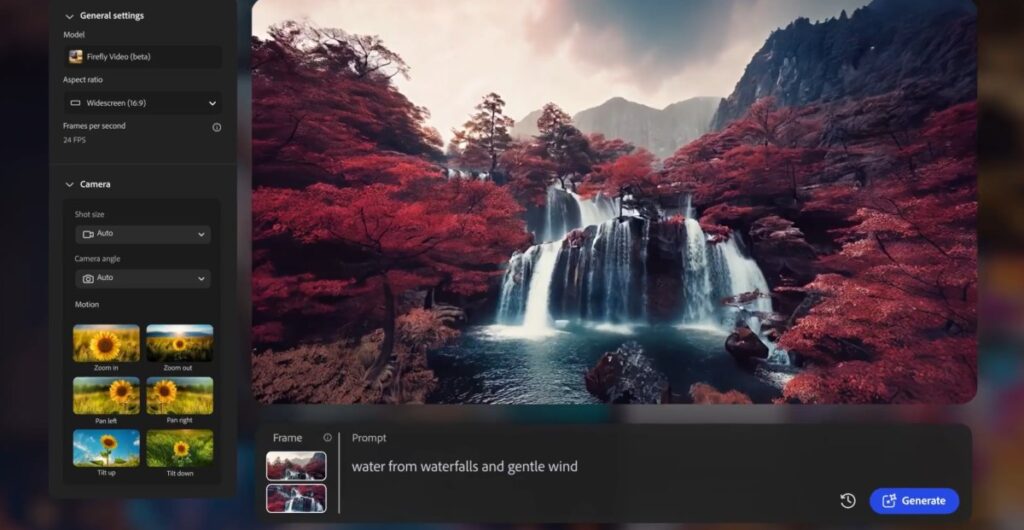
Adobe’s Firefly boasts a deep integration with the Creative Cloud suite, making it an appealing choice for SMBs already using tools like Photoshop and Premiere Pro. The recent addition of the Generate Video feature, which includes Text-to-Video and Image-to-Video functionalities, allows users to generate video clips based on text descriptions or reference images. Creating videos in 1080p at 24 frames per second, Firefly enables users to produce quality content that is commercial-ready, which can be a significant advantage when considering copyright protections.
On the other hand, OpenAI’s Sora offers a high degree of impressiveness in its video generation capabilities but may not have the same level of integration with established design ecosystems that Adobe provides. Sora’s focus is on user experience and ease of use, which can simplify the learning curve for businesses trying to adopt AI-generated video technologies. However, it faces stiff competition not only from Adobe but also from Google’s new Veo AI video model and offerings from ByteDance and Pika Labs.
In terms of pricing, Adobe’s Firefly introduces subscription models that require businesses to spend as they use. The Firefly Standard plan begins at $9.99 per month, offering 2,000 video/audio credits, which translates to approximately 20 five-second video generations. In contrast, the Firefly Pro plan, starting at $29.99, provides more credits and hence more video generation capabilities. While these costs can accumulate, they can lead to longer-term savings if the production offset reduces manual editing and creative processes.
Conversely, if Sora offers a more cost-effective model initially, SMBs should assess whether the tool’s features meet their longer-term video creation needs. For businesses primarily focused on short campaigns or less complex video content, Sora might be the better option. However, those aiming for a higher production quality, particularly for commercial use, may find that the investment in Adobe’s ecosystem yields better results.
Reliability is another critical factor. Adobe claims its Firefly tool is “production-ready,” which suggests a commitment to stability and dependable performance. In a business context, where time is often of the essence, having a tool that consistently delivers high-quality output is non-negotiable. Meanwhile, OpenAI’s reputation and ongoing improvements in Sora could make it a reliable alternative for businesses looking for innovative video solutions.
Integration capabilities also play a crucial role in determining the right tool for an SMB. For businesses already invested in the Adobe ecosystem, using Firefly might be more straightforward, enabling them to seamlessly move assets between tools. OpenAI’s Sora, while innovative, might require businesses to reevaluate their workflows, particularly if they have a more diverse toolset.
As businesses evaluate these tools, they should also consider how to transition and pilot new technology without significant risk. A low-risk pilot could start by using both tools on smaller projects or marketing campaigns. For instance, an SMB could create an initial video using one of the platforms for a social media campaign, allowing for a controlled comparison of output quality and team productivity without the pressure of a larger commitment.
Total cost of ownership (TCO) comes into play as well. When factoring in licensing, usage credits, integration costs, and potential training for staff, businesses need to evaluate the long-term financial implications. It’s important to project potential return on investment (ROI) over three to six months by assessing how much time and resources can be saved with AI-generated video content. If a business can reduce its content creation time dramatically and increase customer engagement through improved video marketing strategies, the initial investment may prove worthwhile.
FlowMind AI Insight: Choosing the right AI tool for video generation is not merely about the features offered but involves a comprehensive evaluation of integration potential, reliability, and overall cost-effectiveness. Understanding the specific needs of the business and aligning them with the capabilities of either Adobe’s Firefly or OpenAI’s Sora can set the foundation for informed decision-making that leads to enhanced productivity and engagement.
Original article: Read here
2025-02-12 08:00:00