
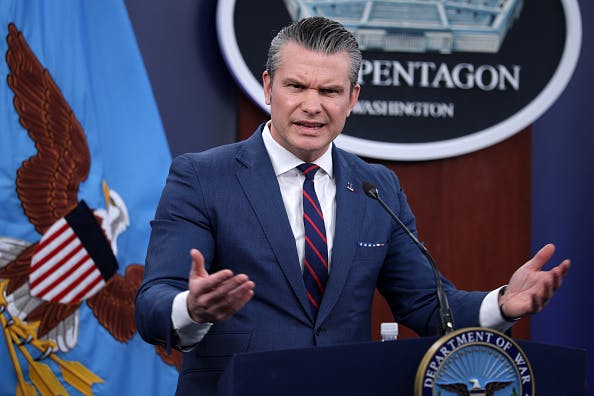
Last week, the unfolding friction between Anthropic, an AI startup, and Defense Secretary Pete Hegseth highlighted the critical intersection of artificial intelligence and governmental oversight. As the dialogue progressed, it became evident that the implications of AI technology extend far beyond mere innovation—they entwine with ethical dilemmas, national security, and the stewardship of powerful tools capable of significant societal impact.
At the crux of this conflict was the ultimatum issued to Anthropic’s CEO Dario Amodei: conform to the Pentagon’s demands to allow the widespread deployment of its AI model, Claude, or face severe repercussions. The rapid timeline of events painted a stark picture of a company that has garnered some of the brightest minds in the AI field while standing firm against what it deemed an overreach of governmental authority.
The fallout from this confrontation serves as a crucial lesson for leaders in the small and medium-sized business sector as they explore the diverse landscape of AI and automation tools. As companies navigate the marketplace, understanding the strengths and weaknesses of various AI platforms becomes essential to positioning oneself competitively. In this context, a comparison of key players such as OpenAI and Anthropic can yield vital insights into the future trajectory of automation and AI solutions.
OpenAI, renowned for its versatile capabilities with models like ChatGPT, offers an array of applications ranging from customer service automation to content generation. Its user-friendly interface and extensive documentation make it particularly accessible for businesses without dedicated AI expertise. Further, recent developments indicating OpenAI’s collaboration with the Pentagon on sensitive projects attest to its scalability and robustness, making it a suitable choice for organizations looking to integrate AI into mission-critical operations.
However, one must also consider cost implications when evaluating AI models. OpenAI operates on a subscription model that can add up significantly, particularly for mid-sized enterprises requiring extensive deployment. The ROI has been promising; businesses report improved efficiency and enhanced product offerings through the implementation of its tools. Yet, organizations must be mindful of potential expenses associated with scaling and ongoing maintenance.
On the other hand, Anthropic’s Claude, designed with an emphasis on safety and ethical considerations, has garnered attention for its approach to AI alignment. The company claims to prioritize human oversight, aiming to ensure that its technology benefits society without infringing upon individual rights. This focus appeals to enterprises that are conscious of their corporate responsibilities and wish to incorporate ethically-aligned AI solutions into their strategies.
However, the ongoing standoff with the Pentagon raises questions about the sustainability of its offerings in the politically charged landscape of national security. While Claude enjoys rapid adoption, exemplified by its burgeoning presence at the top of app stores, businesses must weigh the potential risks associated with relying on a product embroiled in controversy. The specter of geopolitical maneuvering can destabilize prospective partnerships and undermine planned integrations, particularly in industries sensitive to regulatory compliance.
As companies weigh their options between tools like OpenAI and Anthropic, it’s crucial to engage in a thorough analysis of specific business needs, resource availability, and the existing technological infrastructure. Key factors should include each platform’s ease of scalability, responsiveness to shifts in market demands, and long-term support to mitigate unforeseen challenges.
Moreover, small and medium-sized businesses may benefit from keeping abreast of the evolving regulatory environment surrounding AI technologies. Just as Anthropic has faced scrutiny over its decision-making processes, companies must proactively assess their governance structures. Establishing clear policies around AI utilization can foster trust among stakeholders and ensure compliance in an increasingly scrutinized landscape.
In summary, the confrontation between Anthropic and the Pentagon serves as a poignant reminder of the dual-edged nature of AI technology. The decisions organizations make when selecting automation and AI platforms can have far-reaching repercussions on operational integrity and corporate ethos. Choosing the right tool requires a meticulous evaluation of potential strengths, weaknesses, costs, and scalability tailored to the organization’s unique context.
FlowMind AI Insight: As AI technologies continue to reshape industry landscapes, leaders must remain vigilant in their tool selection to balance innovation with ethical considerations. Embracing a forward-thinking approach can position organizations to harness the benefits of automation while aligning with evolving regulatory frameworks.
Original article: Read here
2026-03-02 17:50:00