
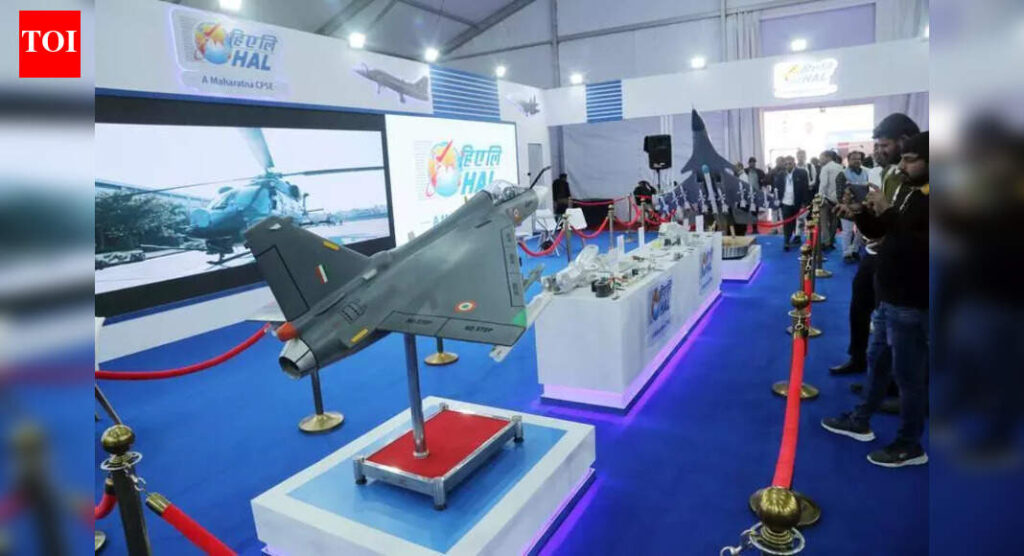
Artificial intelligence and automation are fundamentally reshaping the landscape of micro, small, and medium enterprises (MSMEs). As demonstrated during the recent Vibrant Gujarat Regional Conference, these technologies are not just trends; they are essential tools for achieving sustainable growth and efficiency. For those looking to implement AI-powered automation in their businesses, this guide will outline a step-by-step approach designed for operations managers who may not have a technical background.
Before diving into automation, it’s critical to establish prerequisites. Ensure that you have a clear understanding of the specific processes or tasks within your business that you want to streamline. Identify areas where manual effort is high or where errors frequently occur. Furthermore, assess the existing software and tools in your organization to determine their compatibility with automation solutions. For optimal results, a basic familiarity with data analytics and project management will be beneficial.
Once you’ve identified the processes to automate, the next step is to configure the AI tools. Start by selecting an automation platform that caters to your specific needs. Many solutions offer user-friendly interfaces designed for non-developers. Begin the configuration process by inputting relevant data relating to the task at hand. For example, if you are automating customer responses, input typical customer inquiries and corresponding responses into the system. During this configuration, you should also set parameters for how the AI will learn from ongoing interactions.
After configuration, it’s essential to test your automation setup. Run through various scenarios to check how the AI responds to different inputs. For instance, using a dataset with common customer queries, verify that the AI delivers accurate answers within acceptable timeframes. Make adjustments as necessary to improve performance. Effective testing will help identify gaps in the automation process and ensure that it meets both your expectations and your customers’ needs.
Monitoring the AI-powered automation is crucial for long-term success. Set up dashboards to view real-time performance metrics. Common metrics include response accuracy, processing speed, and user satisfaction. These indicators will help you assess whether the automation is delivering the expected outcomes. Regularly review these metrics and be prepared to make ongoing adjustments to improve performance or adapt to changing business needs.
Error handling is another essential component of an effective automation strategy. Design a protocol to address potential issues such as failed transactions or incorrect outputs. Implement alerts to notify relevant team members when errors occur, enabling quick intervention. Additionally, ensure that your system can either retry failed processes automatically or provide alternative solutions to keep operations running smoothly.
Cost control is vital in managing any automation project, especially for MSMEs. First, estimate the initial costs associated with implementing the automation tools, including licensing fees, training costs, and any necessary infrastructure upgrades. Additionally, factor in ongoing maintenance costs, such as subscription fees for tools and the resources required for regular updates. A detailed budget will help you understand the financial implications and set expectations for ROI.
Security, data retention, and privacy considerations should not be overlooked. With the increased reliance on AI, safeguarding sensitive information is paramount. Ensure that your platform employs strong encryption standards to protect data in transit and at rest. Also, establish a clear data retention policy that outlines how long data will be stored and under what circumstances it can be deleted. This practice not only protects your business from potential data breaches but also helps maintain compliance with various regulations.
Vendor lock-in is a consideration that often becomes apparent after adopting a specific automation solution. Be cautious when selecting your vendor. Review their terms regarding data ownership and portability, ensuring that you retain control over your data even if you decide to switch providers in the future. This foresight can save you from potential headaches and unnecessary costs down the line.
To determine the return on investment for your automation project, set clear, measurable goals from the outset. Track your expenses against the financial benefits gained from increased efficiency, reduced labor costs, and improved customer satisfaction. Use key performance indicators such as time saved or task completion rates to quantify these benefits. Regularly reassess your goals and performance metrics to ensure that you are on track to achieving a favorable ROI.
Ongoing maintenance is essential for the long-term effectiveness of your AI-powered automation. Schedule regular reviews to assess performance and make necessary adjustments. Stay updated on advancements in AI technology to leverage new features that can further enhance efficiency. Providing continuous training for team members involved in managing the automation will also ensure that they are well-equipped to handle any changes.
By following these clear, step-by-step instructions, you can successfully implement AI-powered automation within your MSME. This approach will not only empower your business but also contribute to wider economic goals, as highlighted by industry leaders at the Vibrant Gujarat Regional Conference.
FlowMind AI Insight: Embracing AI-powered automation doesn’t just streamline operations; it revolutionizes how MSMEs compete in a rapidly evolving marketplace. With the right strategy in place, businesses can achieve unprecedented levels of efficiency and innovation.
Original article: Read here
2026-01-12 23:13:00