
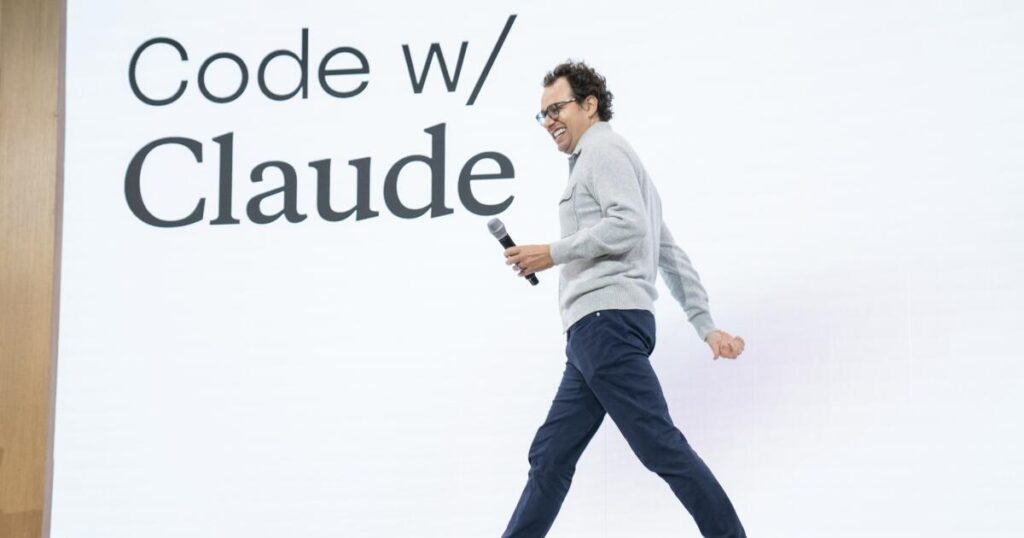
The recent inadvertent release of internal source code by Anthropic, the developer behind the AI coding assistant Claude, raises significant concerns regarding the robustness and security of AI platforms—a critical issue for small to medium-sized businesses (SMBs) and automation specialists. The implications of such lapses extend beyond immediate security threats; they also amplify discussions about tool reliability, pricing, and strategic alignment with business objectives.
The release, characterized as a “packaging issue caused by human error,” disclosed approximately 1,900 files and 512,000 lines of code, igniting scrutiny on the effectiveness of security measures employed by AI developers. This incident is particularly problematic for a company like Anthropic, which has positioned itself as a leader in prioritizing safety amidst burgeoning concerns related to AI usage. Furthermore, Anthropic’s recent history of storing sensitive files on publicly accessible systems compounds the fallout, as it not only undermines trust but also poses critical questions about risk management processes inherent in such companies.
In the context of AI and automation platforms, businesses are often torn between competing solutions. A pertinent comparison arises when examining platforms like Make and Zapier for automation tasks, or OpenAI and Anthropic for AI-driven coding solutions. Each of these platforms brings a unique set of strengths and weaknesses that should be thoughtfully considered by SMB leaders.
Starting with automation tools, Zapier boasts a broader ecosystem and a more mature integration landscape, allowing users to connect different applications seamlessly. Its user-friendly interface makes it accessible even for those without extensive technical expertise. Conversely, Make provides a more customizable approach, allowing for complex workflows that can cater to specific business needs. However, this complexity often comes at a cost: both in terms of a steeper learning curve for users and potentially higher implementation costs.
From a pricing perspective, Zapier operates on a tiered subscription model, with costs increasing as users require more automation tasks and integrations. This can lead to significant expenses for businesses that scale quickly or require advanced functionalities. Make, on the other hand, tends to be more affordable for enterprises requiring greater complexity in automation but could still escalate in cost with increased resource demands.
When it comes to AI solutions, OpenAI has established itself as a frontrunner in natural language processing, but the recent security missteps of Anthropic highlight the risks associated with emerging competitors. OpenAI’s reliability and the robustness of its API integration make it a preferable choice for organizations that prioritize security and established provider support. However, Anthropic’s focus on safety and ethical AI could appeal to companies looking to mitigate their exposure to compliance risks and ethical dilemmas related to AI training data.
The ROI for both AI products and automation tools must also be evaluated meticulously. With tools like OpenAI, which optimize coding tasks, the initial investment may be offset by the dramatic increase in productivity and reduction in human error. In contrast, the value proposition for Anthropic’s Claude remains uncertain, particularly following recent security incidents. Some organizations may hesitate to invest in a tool that has demonstrated vulnerabilities that could jeopardize project integrity and sensitive data.
Scalability presents an additional dimension to consider. Both Zapier and Make are designed with scalability in mind, although their approaches differ. Zapier’s user-friendly platform allows organizations to quickly enhance their automation capabilities as they grow, while Make may require ongoing tuning to maintain efficiency as organizational needs evolve. In the AI arena, OpenAI’s API does cater well to scaling needs, but the revelations regarding Anthropic underline the critical nature of continuous monitoring and support as businesses rely on these systems.
The blend of strengths and weaknesses from these various platforms ultimately shapes how SMBs should strategize their investments. First and foremost, businesses need to prioritize security and vendor reliability as part of their decision-making processes. Given the increasing likelihood of incidents similar to Anthropic’s, conducting due diligence on potential vendors becomes paramount. Furthermore, businesses should consider adopting flexible budgeting strategies that allow for scaling expenses without compromising on essential functionalities.
In conclusion, the Anthropic incident serves as a sobering reminder of the vulnerabilities present in the AI marketplace. Businesses must navigate these complexities with a clear understanding of the tools at their disposal, weighing the unique advantages of each against potential security ramifications and overall cost effectiveness.
FlowMind AI Insight: In a rapidly evolving tech landscape, SMB leaders must remain vigilant in assessing the security and reliability of their chosen AI and automation platforms. Continuous evaluation, thorough vetting, and fostering adaptable workflows will empower businesses to leverage these tools effectively, enabling innovation while mitigating risk.
Original article: Read here
2026-04-01 17:13:00